Have you ever wondered why some aluminum bars remain shiny for decades? Meanwhile, others corrode and peel after just a few rainy seasons. The secret lies in the Anodizing layer. This article explains what Anodizing is and why it is a mandatory standard for high-end projects, especially solar panel frames.
Aluminum is an excellent metal. It is both light and durable. However, in its raw state, aluminum can still oxidize when exposed to harsh environments.
Therefore, Anodizing technology was created. It transforms the aluminum surface into a super-hard “armor.” This armor resists all corrosive agents.
WHAT IS ANODIZING?
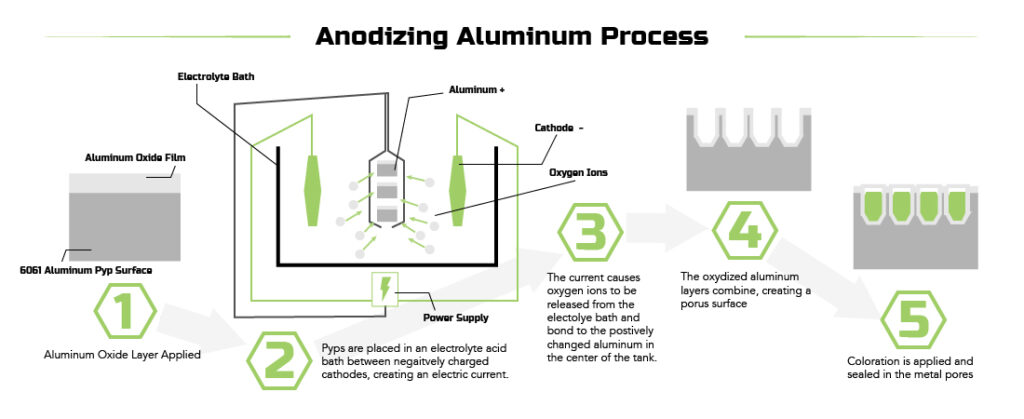
Unlike standard painting methods (which just coat a color layer on the surface), Anodizing is an electrochemical process.
In an acid tank, the aluminum bar acts as the positive electrode (Anode). When electric current passes through, the aluminum surface reacts. It converts into a layer of Aluminum Oxide.
This oxide layer does not separate. Instead, it integrates fully with the original material. This creates an extremely durable structure.
4 CORE BENEFITS OF ANODIZED ALUMINUM
Why must solar rails or high-end door frames be Anodized? Here are 4 technical reasons:
1. Diamond-like Hardness
After Anodizing, the aluminum oxide layer becomes very hard. It ranks just behind diamonds on the material hardness scale. This helps the aluminum resist scratches during transport and installation. Furthermore, it withstands mechanical wear much better than powder coating.
2. Absolute Anti-Corrosion
This is vital for coastal projects or chemical plants. The Anodized layer is inert to oxidizing agents. It blocks sea salt and moisture from penetrating the inner aluminum core.
Note: For marine environments, the plating thickness must reach the 20-25 micron standard. This ensures a lifespan of over 20 years.
3. No Peeling Ever
The color and protective layers are created from the aluminum surface itself. They are not painted on. Therefore, Anodized aluminum never peels or blisters like Powder Coating, even in extreme heat.
4. Electrical Insulation
The Anodizing layer is a natural insulator. In Solar Mounting applications, this is extremely important. It ensures electrical safety for the entire system.
ANODIZING THICKNESS STANDARDS: HOW MUCH IS ENOUGH?
Not all plating is the same. The durability of aluminum depends on the thickness of the layer (measured in micrometers). You need to choose the right type for your application:
- Class AA10 (10-12): Common standard for indoor architecture and windows.
- Class AA15 (15-18): Used for outdoors and solar frames in mild climates.
- Class AA20 – AA25 (20-25): Marine Grade Standard. This is mandatory for coastal solar projects, offshore scaffolding, or harsh industrial environments.
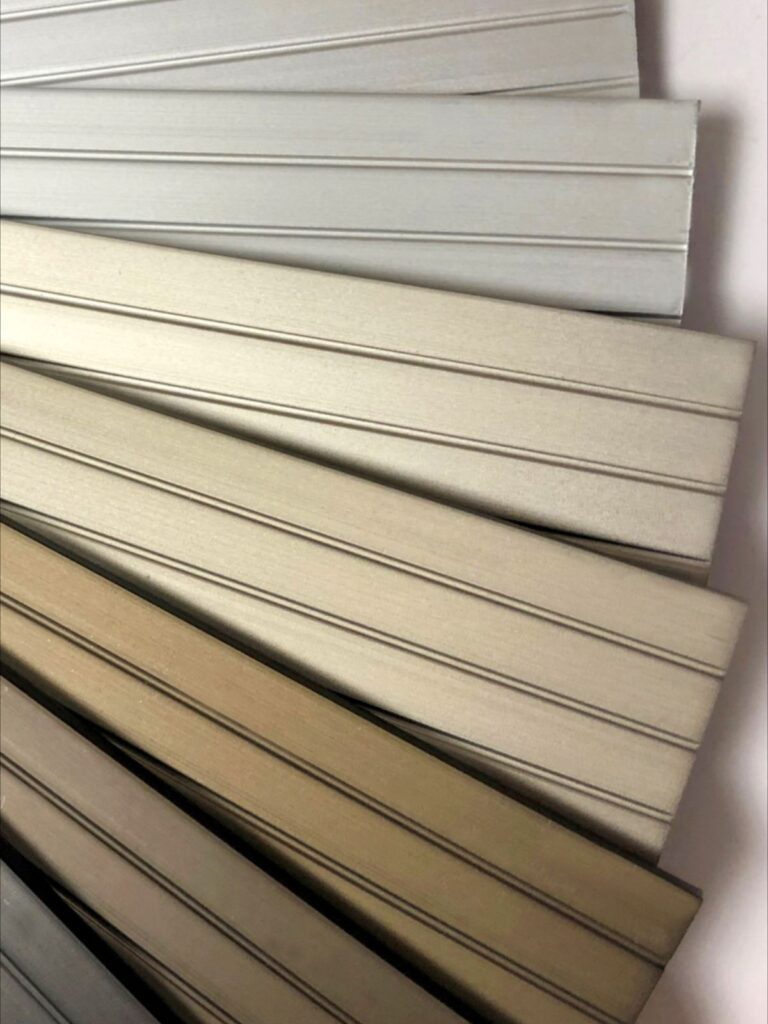
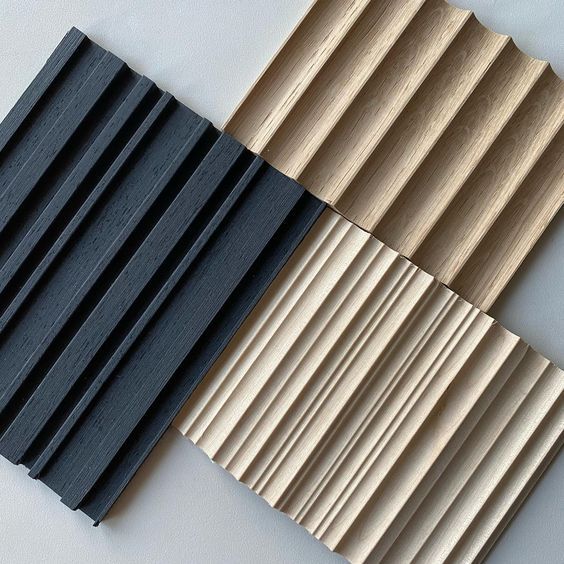
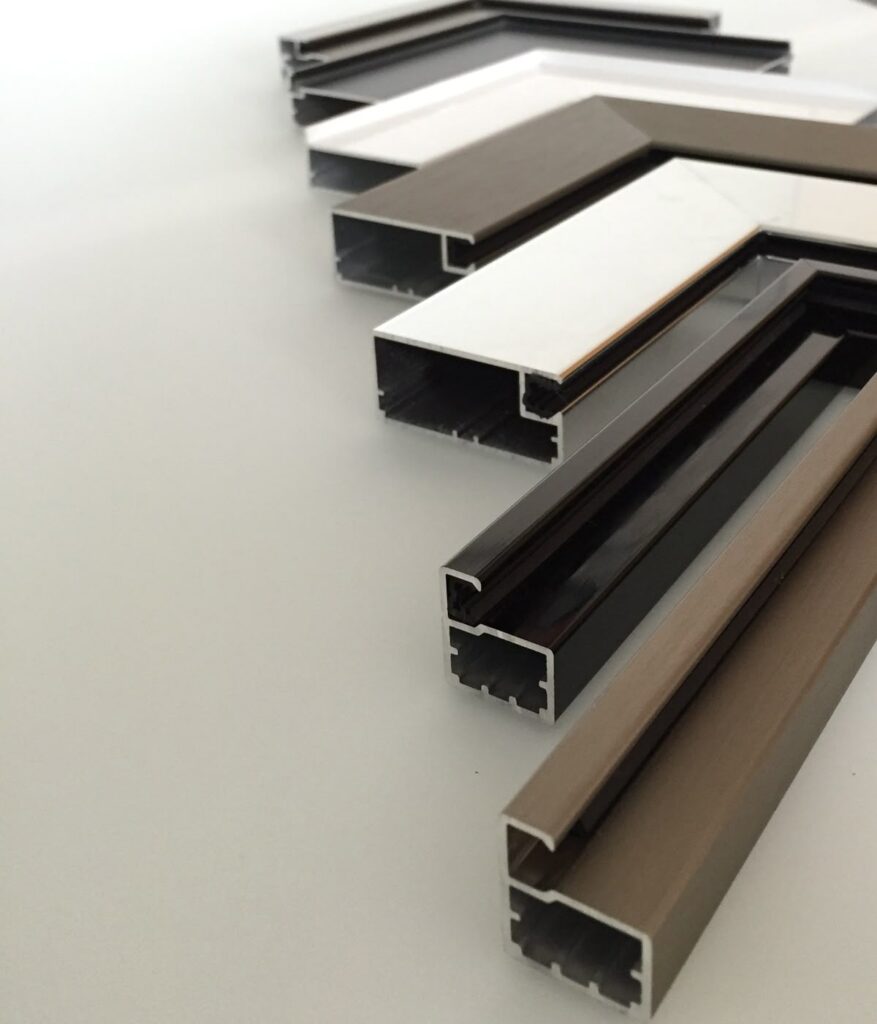
CONCLUSION
Investing in aluminum profiles with standard Anodizing is a smart choice. You may pay a slightly higher initial cost compared to raw aluminum. However, you gain absolute peace of mind regarding durability for 20-30 years. You will save money on maintenance and repainting.
Especially in the solar energy sector, the Anodizing layer acts as “insurance.” It protects the mounting system against the ravages of time.
PARTNER WITH MINH DUNG HOLDING
Minh Dung Holding is a top provider of architectural solutions. Specifically, we offer both solid aluminum panels and aluminum-glass facades. In addition, our products meet strict global standards. Therefore, we ensure the best safety and design for your modern building.
Contact Us Do you need technical advice? Or would you like a detailed quote? Then, please contact our expert directly
Mr. Kevin Nguyen
Hotline/WhatsApp: +84 373 486 719