Aluminum is a very practical material, but because its surface is bright and shows marks easily, minor mistakes in storage or transportation can lead to dullness, patchy discoloration, water stains, or uneven haze. The tricky part is that these marks are often mistaken for “factory quality issues,” while the real cause is commonly humidity, dust/contamination, coastal salt, or the way the goods were wrapped and handled. This short guide keeps things simple and focuses on the most common causes and easy prevention steps.
1. Aluminum oxidation and stains are not “rare defects”
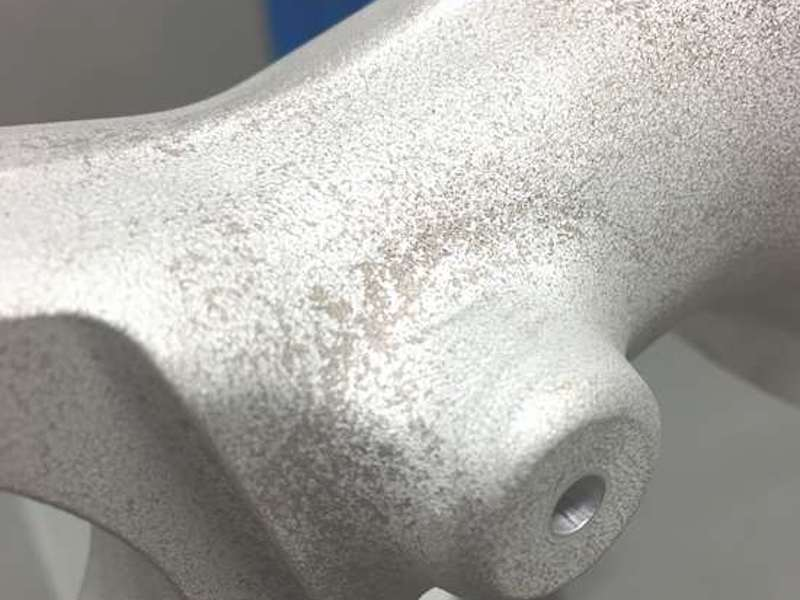
Aluminum naturally reacts with oxygen in the air and forms a thin protective layer. That layer is normal. However, the problem starts when moisture, salts, dust, or chemicals stay on the surface for too long. As a result, you may see stains, dull patches, water marks, or uneven discoloration. In other words, many “surface complaints” are not about the metal itself; instead, they are about what happened to the surface after production.
2. Key causes of oxidation and surface stains
2.1 Moisture and trapped water
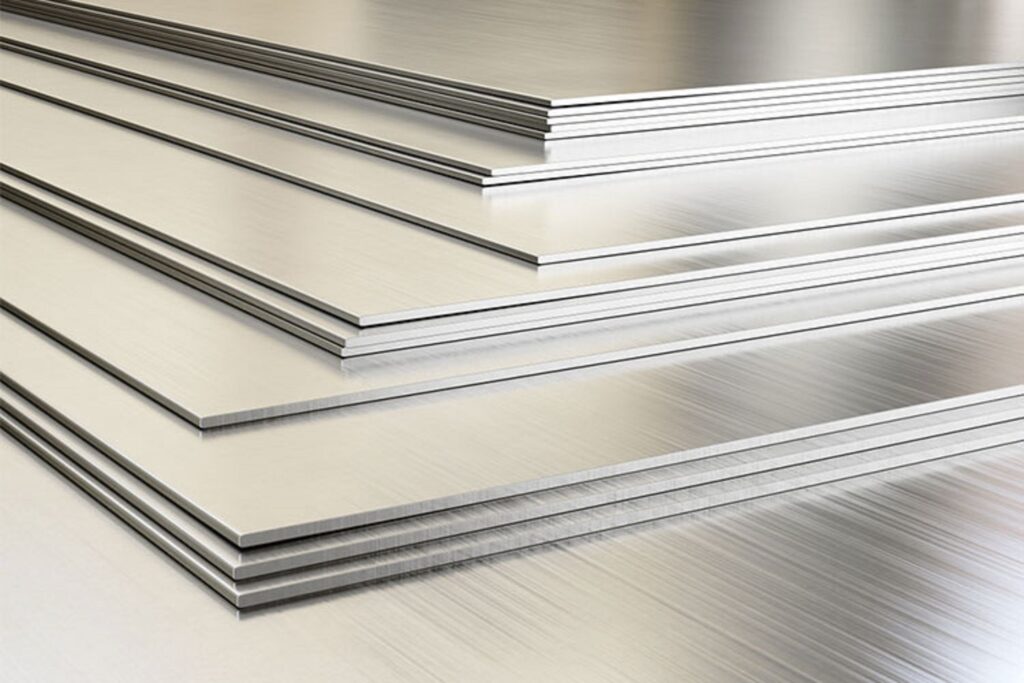
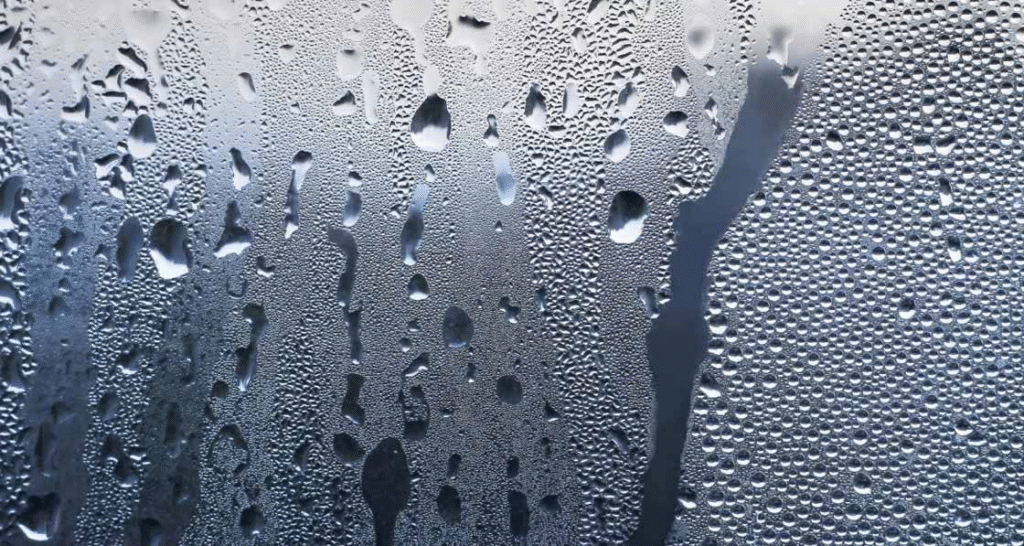
First of all, moisture is the most common trigger. For example, if aluminum wrapped while still warm, condensation can form inside the package. Likewise, when coils, sheets, or profiles stacked tightly in a humid warehouse, water can get trapped between layers. Consequently, the surface may develop water stains, cloudy patches, or uneven tone—especially if the material sits untouched for days.
2.2 Coastal salt and port exposure
Secondly, salt accelerates surface changes. In particular, coastal air and port environments carry fine salt particles that settle on metal surfaces. Even if the aluminum looks clean at first, once the packaging is opened and the material left exposed, staining can appear faster. Therefore, routes that involve sea freight, port storage, or seaside job sites deserve extra protection steps.
2.3 Dust mixed with chemicals or oil
Thirdly, dust becomes a real problem when it combines with contaminants. For instance, dust mixed with cutting oil, cleaning chemicals, or acidic/alkaline residues can create dark marks or spotty discoloration. Moreover, if workers touch the surface with oily gloves and the residue stays there, the marks can “set” over time. As a result, the surface may look inconsistent even though the base material is fine.
2.4 Poor ventilation and “micro-humidity”
Finally, storage conditions often create what many warehouses overlook: micro-humidity. Specifically, when aluminum placed directly on the floor, pushed against walls, or covered in plastic that cannot breathe, moisture lingers around the product. Over time, this trapped humidity increases the chance of oxidation stains. Thus, ventilation and elevation are not “nice-to-have”; they are practical controls.
3. Prevention methods that actually work
3.1 Keep aluminum dry before wrapping
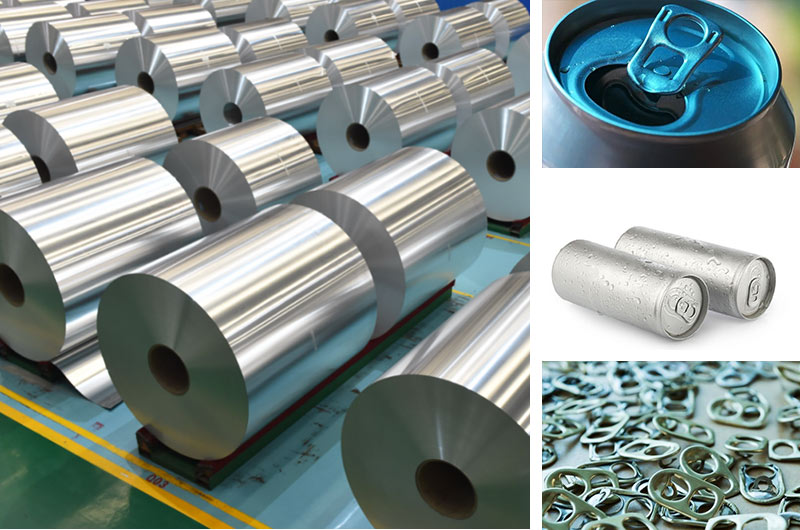
To begin with, make sure the surface is dry and the product is cool before packing. Otherwise, you are sealing moisture inside the package. In addition, for coils and sheets, using suitable interleaving paper can help reduce direct contact and limit moisture trapping.
3.2 Choose packing based on route and environment
Next, match the packing to the shipping route. For example, if the destination is humid or coastal, include moisture control (such as desiccants) and seal the package properly. On the other hand, avoid packaging that traps water with no airflow. In short, the best packaging is not the thickest one; it is the one that manages moisture correctly.
3.3 Store correctly in the warehouse
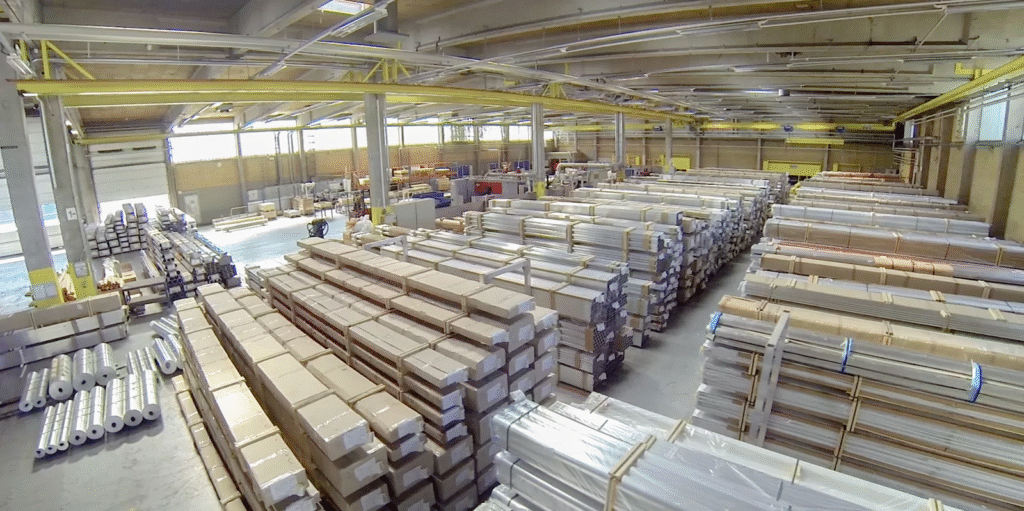
Meanwhile, warehouse habits matter more than many teams expect. As a baseline, store aluminum on pallets, keep it off the floor, and leave small gaps for airflow. Additionally, keep aluminum away from cleaning agents, chemicals, or areas where water frequently used. Because contamination can be invisible at first, separation and cleanliness make a measurable difference.
3.4 Control exposure time after unpacking
Equally important, control what happens after the package is opened. Once the aluminum is exposed, don’t leave it unprotected for long in dusty or humid areas. Instead, re-cover it with breathable protection rather than sealing it in a way that traps moisture. As a result, you reduce both staining risk and surface complaints downstream.
4) Quick inspection tips when stains appear
If stains show up, then a fast, structured check will save time. First, trace where the goods sat: floor vs pallet, near walls, near water sources, or near chemicals. Then, check the packaging condition: any signs of trapped moisture, condensation, or damaged wrapping. After that, ask whether the material was opened at the port or site and left exposed. Ultimately, this timeline approach helps you separate production issues from handling issues, which makes corrective action much more effective.
5) Conclusion
Overall, light oxidation is natural for aluminum, but stains and uneven discoloration are usually preventable. By controlling moisture, limiting contamination, and improving packing and storage routines, you can significantly reduce surface issues. In turn, you cut rework, reduce claims, and protect the appearance that customers care about.
At Minh Dung Holdings, we offer practical surface-protection support
At Minh Dung Holdings, we offer aluminum supply and handling support designed to reduce oxidation stains and surface claims. More specifically, we help customers align the right protection approach with their route, storage conditions, and end-use requirements. In addition, we can share practical recommendations on packing configuration and warehouse practices so your team can prevent issues before they appear.
Furthermore, to make communication faster and clearer, we can provide supporting documents and reference visuals for typical surface conditions and acceptance expectations. As a result, buyers and warehouse teams can evaluate the surface consistently, while suppliers can pack and ship with the right level of protection. Ultimately, this helps reduce rework, avoid disputes, and keep the product appearance stable through delivery and storage.