Introduction
When buyers source aluminum billet for extrusion, the first filter is almost always alloy grade—6063, 6061, 6005A, and so on. In reality, however, two billets with the same alloy label can behave very differently on the press. This is because one of the most decisive variables is homogenization quality, which, in many cases, influences extrusion stability, surface finish, and scrap rate more directly than the alloy name printed on the mill certificate. Therefore, understanding homogenization is not optional—it is a practical requirement for consistent production results.
What “Homogenized Billet” Actually Means
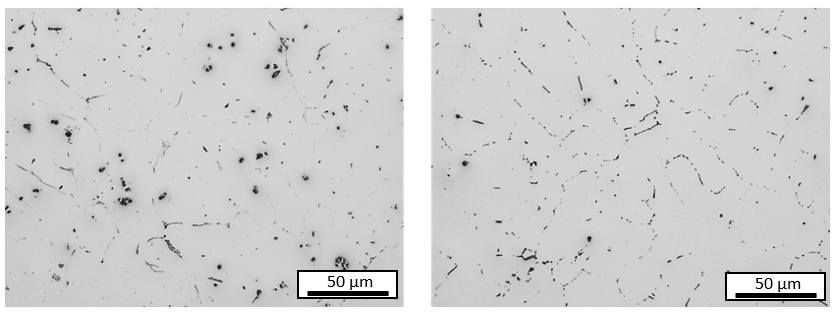
To begin with, homogenization is a controlled heat-treatment process applied after casting. Its primary purpose is to reduce chemical segregation, dissolve or transform undesirable intermetallic phases, and promote a more uniform microstructure across the billet cross-section. In other words, it helps ensure that the billet is not “hard in one area and soft in another,” even if the alloy grade is technically correct. As a result, the metal flows more predictably when it enters the extrusion cycle.
Why Alloy Grade Alone Is Not Enough
Although alloy grade defines the target chemical composition range, it does not guarantee uniformity inside the billet. For instance, if casting and subsequent heat treatment are not well controlled, the billet can retain microstructural inconsistencies that disrupt metal flow under extrusion pressure. Consequently, two billets with the same alloy grade may deliver significantly different extrusion behavior, die stress, and surface outcomes. Put simply, alloy grade tells you what it should be; homogenization determines how it actually behaves.
How Homogenization Impacts Extrusion Performance
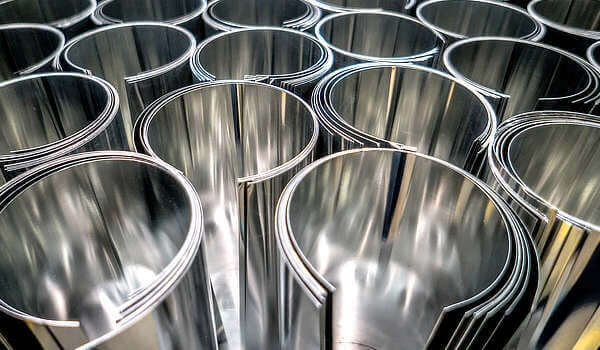
From an operational standpoint, a well-homogenized billet supports stable metal flow, smoother pressure curves, and more predictable temperature control at the die. Because of this, press operators can maintain higher and more consistent extrusion speeds while reducing sudden load spikes. On the other hand, poor homogenization often leads to flow imbalance and process instability; as a result, the line may require more frequent parameter adjustments, and the risk of surface defects rises accordingly.
Surface Quality and Downstream Finishing
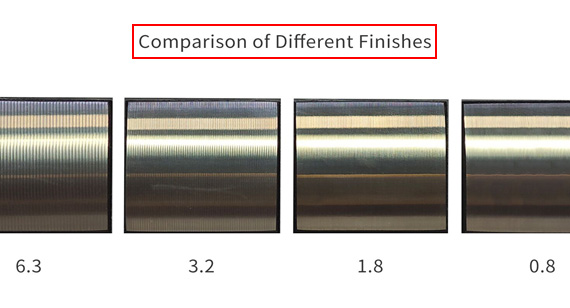
Importantly, homogenization quality becomes especially visible during anodizing or powder coating. In general, profiles produced from uniformly homogenized billet show more consistent color, fewer streaks, and better surface uniformity. By contrast, insufficient homogenization can trigger uneven finishing response, which then appears as streaking, patchiness, or inconsistent tone. In turn, these defects are costly, since they are difficult to correct once the product reaches finishing stages.
Practical Buying Considerations
Given these realities, evaluating billet quality should go beyond alloy grade and basic chemical certificates. In addition, buyers should consider supplier process consistency, batch traceability, and performance history in similar extrusion and finishing applications. For example, suppliers who can demonstrate stable press behavior across multiple lots typically reduce operational risk for the customer. Ultimately, these practical indicators often provide a more accurate picture of billet suitability than specifications alone.
In Minh Dung Holdings, We Offer
In Minh Dung Holdings, we offer aluminum billet that is produced with strict homogenization control, consistent chemistry, and stable performance across batches. Moreover, our focus is not only on meeting alloy standards, but also on delivering billet that runs reliably on the press, supports high-quality finishing, and, ultimately, helps our customers optimize productivity and total manufacturing cost.