Standard Aluminum Billet Sizes and Their Industrial Uses
Choosing the right aluminum billet sizes is a vital first step for any extrusion process. Indeed, billets may seem like simple raw materials. However, their exact sizes control the speed, cost, and quality of your final products. Therefore, this guide will explore the most common sizes. Also, we will look at their specific uses. Finally, we will explain the severe risks of picking the wrong size for your press.
Common Aluminum Billet Sizes in the Market
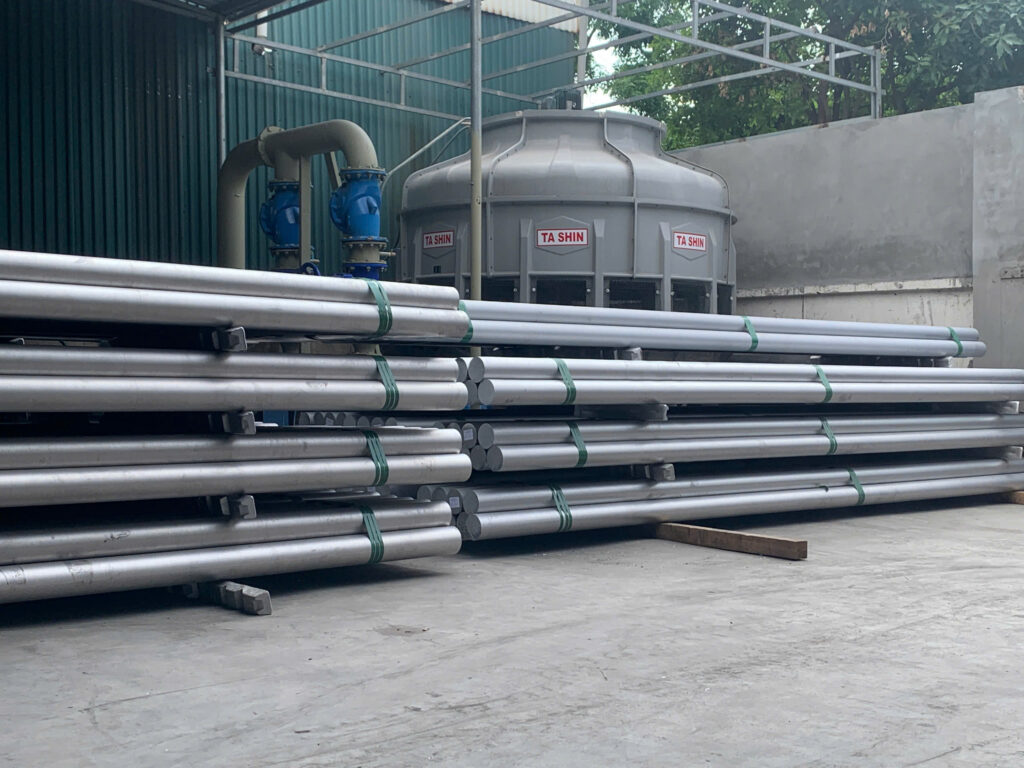
First, we must understand the market standards. In the extrusion industry, aluminum billet sizes depend on diameter and length. Usually, standard logs are cast between 5.8 to 6.5 meters long. This length makes global shipping very easy. However, the diameter is the most important detail for your press. Below are the standard diameters.
4-Inch and 5-Inch Billets
- 4-inch Billets (~101.6 mm): Specifically, these fit compact presses. They work very well for small, tight shapes.
- 5-inch Billets (~127 mm): Moreover, this is the most common size. It is perfect for standard commercial and building profiles.
7-Inch Billets and Larger
- 7-inch Billets (~177.8 mm) & Above: In contrast, these are strictly for heavy industry. They give enough metal volume for very large, strong parts.
Applications by Billet Dimension
Next, let’s look at how we use them. The wide range of aluminum billet sizes fits many different industries. Thus, matching the size to your final product is crucial.Building and Construction (4″ – 5″) For instance, builders rely on these specific sizes. They often use the 6063 alloy. Consequently, they can make window frames and doors. These parts need very smooth, clean surfaces.
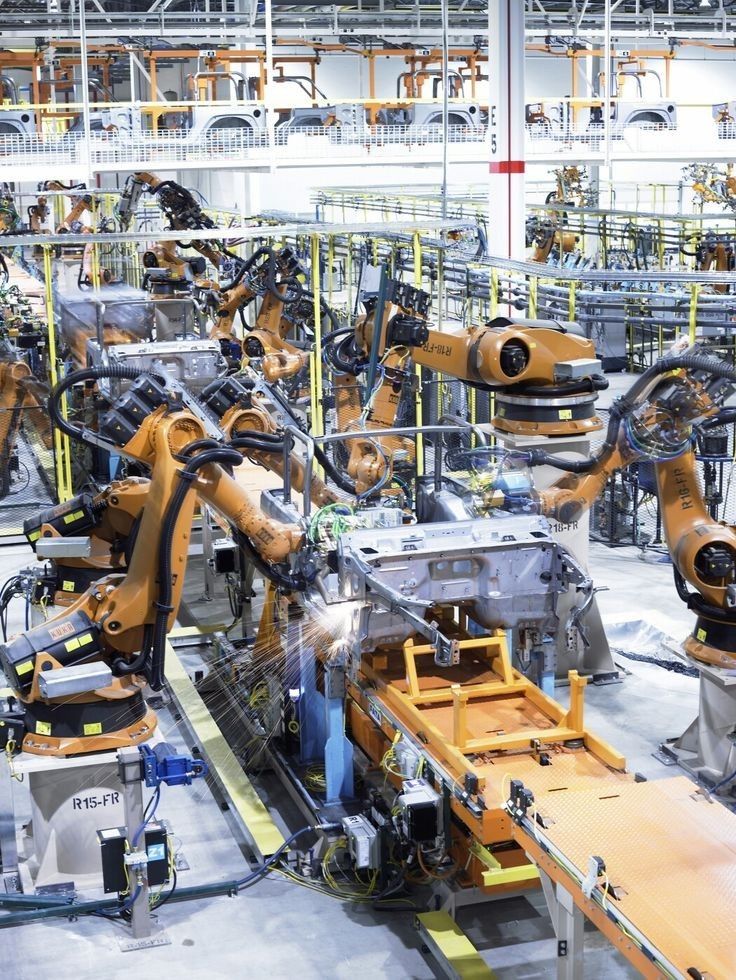
Mechanical and Industrial (5″ – 7″) In addition, bigger billets are great for machines. They are used for conveyor frames and car parts. Usually, these items use the stronger 6061 alloy. As a result, they easily meet strict strength tests.
Energy and Transport (7″ and larger) Finally, big projects need big metal. For example, solar panel frames and train beams need large billets. Therefore, these big sizes ensure total safety and structure strength.

The Severe Risks of Incorrect Sizing
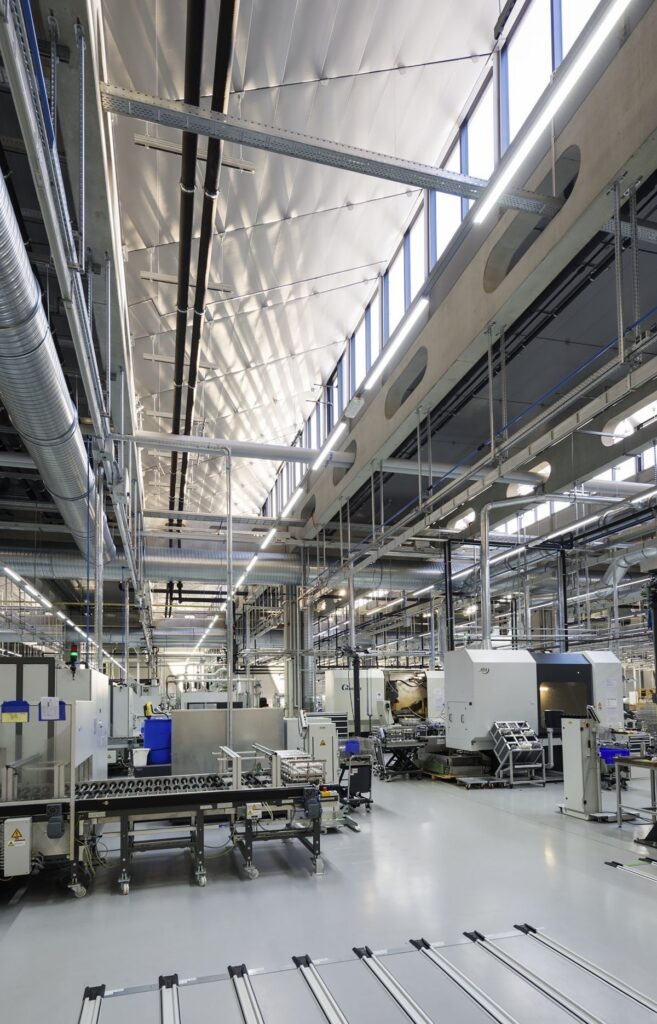
Failing to match aluminum billet sizes to your press brings big risks. Indeed, small sizing mistakes can ruin your whole production line. Here are the main problems you might face.
Wasted Material and High Costs First, a billet might be too large for the shape. If so, the process leaves too much scrap at the end. Consequently, this raises your production costs a lot. Furthermore, it lowers your overall profit.
Poor Metal Quality Second, the wrong size changes the metal structure. Specifically, the press force will not match the billet width. As a result, finished parts might have bad surface scratches. Also, they might fail hardness tests later.
Broken Tools and Press Damage Third, forcing a big billet into a small press is dangerous. It overloads the whole hydraulic system. Therefore, it can easily break the expensive extrusion die. On the other hand, putting a small billet in a huge press is also bad. It causes uneven pressure. Eventually, this jams the machine and stops all work.
Conclusion
In conclusion, picking the right aluminum billet sizes is a very strict math problem. It is definitely not just a simple purchase. Therefore, you must check your press limits carefully. By doing this, you protect your machines. Furthermore, you reduce scrap and ensure top product quality.
Are you an international buyer looking for premium 6061 and 6063 aluminum logs? Please contact Minh Dung Holdings today. We offer expert advice on the best dimensions for your line. Also, we can send you our latest B2B quotes.
Kevin Nguyen – Export Specialist
WhatsApp: +84 373 486 719