The solar industry has witnessed a massive power race in the last five years. Manufacturers have shifted from small M6 cells to large-format wafers like M10 (182mm) and G12 (210mm). Consequently, solar panel output has jumped to the 600W – 700W range.
However, bigger panels mean bigger problems for structural integrity.
As the surface area increases, the solar frame must withstand significantly higher wind and snow loads. Traditional 6063-T5 aluminum is reaching its physical limits. Therefore, Aluminum 6005-T6 is emerging as the new hero in the industry. It solves the critical challenge of structural safety.
WHEN SOLAR PANELS BECOME “GIANTS”
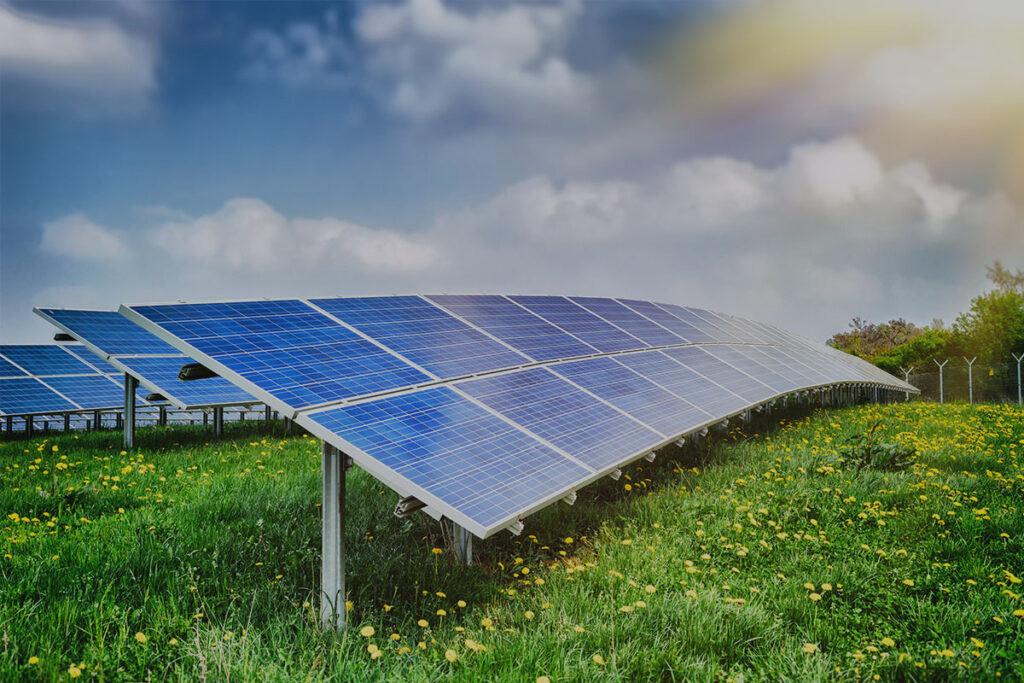
First, we must look at the physical reality. Modern photovoltaic modules often have a surface area exceeding 2.5m². Some even reach 3.1m².
According to aerodynamic principles, a larger surface area catches more wind. Therefore, a standard panel must withstand a pressure of 5400 Pa (equivalent to over 500kg). It must do this without bending permanently.
If manufacturers continue using standard 6063-T5 aluminum, they face a difficult choice. They must increase the frame’s wall thickness significantly. As a result, the panel becomes too heavy and expensive.
DECODING ALUMINUM 6005-T6: A TECHNICAL UPGRADE
Aluminum Alloy 6005 is a robust upgrade from the 6063 series. By increasing the Silicon (Si) and Magnesium (Mg) content, the alloy creates a stronger crystal structure during heat treatment.
Below is a comparison between these two candidates in the T6 temper state:
Technical Comparison: 6063-T6 vs. 6005-T6
| Property | Symbol | 6063-T6 (Old Std) | 6005-T6 (New Std) | Why it matters |
| Tensile Strength | Rm | 6005 resists breaking forces ~25% better. | ||
| Yield Strength | Rp0.2 | Crucial: It is 40% harder to permanently bend. | ||
| Hardness | Webster | 12 – 13 HW | 14 – 15 HW | The surface resists scratches better. |
Note: Yield Strength is the most critical metric. It indicates the maximum stress the frame can handle before it suffers permanent deformation (bending that won’t bounce back).
THE ECONOMIC EQUATION: THINNER BUT STRONGER
Why are giants like Longi, Jinko, and Trina Solar switching to 6005 frames? The answer lies in cost-efficiency.
Because 6005-T6 is harder, engineers can reduce the wall thickness of the aluminum profile. Yet, it still maintains the same load-bearing capacity as a thicker 6063 frame.
For example, to withstand a 5400 Pa load:
- Aluminum 6063 might require a thickness of 1.8mm.
- Aluminum 6005 may only need 1.4mm – 1.5mm.
This offers a double benefit:
- Material Savings: Manufacturers use less aluminum per panel.
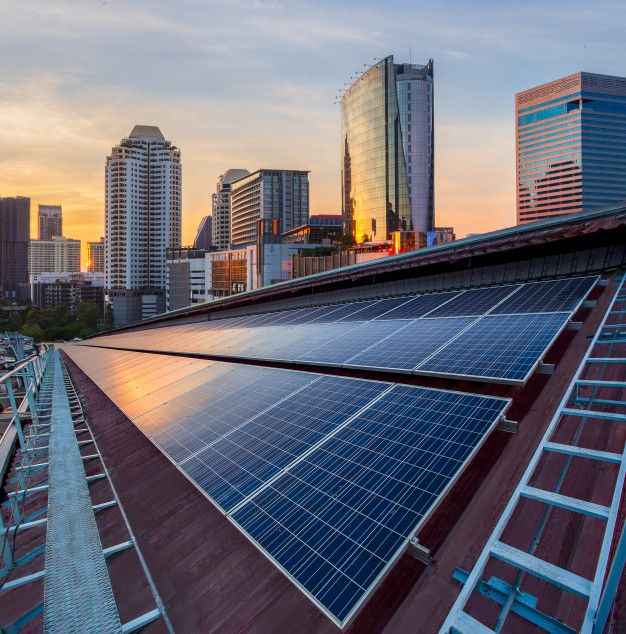
- Weight Reduction: Lighter panels reduce shipping costs. Furthermore, they reduce the static load on rooftops. This is vital for older factory roofs.
PRODUCTION CHALLENGES: EXPERTISE REQUIRED
Although 6005 is superior, it is not easy to produce. Aluminum factories face specific challenges when extruding 6005-T6 profiles:
- Slower Extrusion: Since the alloy is harder, the extrusion speed is slower compared to 6063. This requires specialized molds.
- Strict Quenching: Aluminum 6005 is sensitive to temperature. Immediately after extrusion, the bar requires rapid cooling (using powerful fans or water mist). If the cooling is too slow, it will not achieve the T6 strength standard.
Therefore, choosing a supplier with strict Quality Control (QC) and modern technology is essential.
CONCLUSION
The shift to Aluminum 6005-T6 is not just a trend. It is a necessary step for the solar industry. It ensures that large-format panels remain safe and durable.
For EPC contractors and investors, choosing frames made of 6005 aluminum is a smart investment. It acts as “structural insurance.” It guarantees the system will survive storms throughout its 25-year lifecycle.
At Minh Dung Holding, we specialize in supplying premium Aluminum 6005-T6 solutions tailored for modern solar projects. We are committed to delivering quality that meets international standards.
Ready to upgrade your solar frames? Please contact our expert for a consultation:
Mr. Kevin Nguyen – Hotline/Zalo/WhatsApp: +84 373 486 719