In modern architectural design, choosing the right material for outdoor flooring areas is always important. Spaces such as balconies, rooftops, swimming pools, and outdoor walkways are constantly exposed to weather conditions, humidity, and temperature changes. Because of this, the materials used in these areas need to meet several requirements, including high durability, water resistance, structural stability, and long service life.
In this context, extruded aluminum decking is gradually becoming a new material solution used in many construction projects. With advanced manufacturing technology and the strong mechanical properties of aluminum, this type of flooring offers a good combination of durability, aesthetics, and the ability to adapt well to outdoor environments.
What Is Extruded Aluminum Decking?
Extruded aluminum decking is a flooring system made from aluminum profiles produced through the aluminum extrusion process. In this process, aluminum is heated to a suitable temperature and then pushed through a die to create extruded aluminum profiles with precise shapes and dimensions.
Thanks to this technology, aluminum decking boards can be produced with different structures such as hollow sections, reinforced ribs, or box-shaped profiles. These designs help improve load-bearing capacity while keeping the material lightweight.
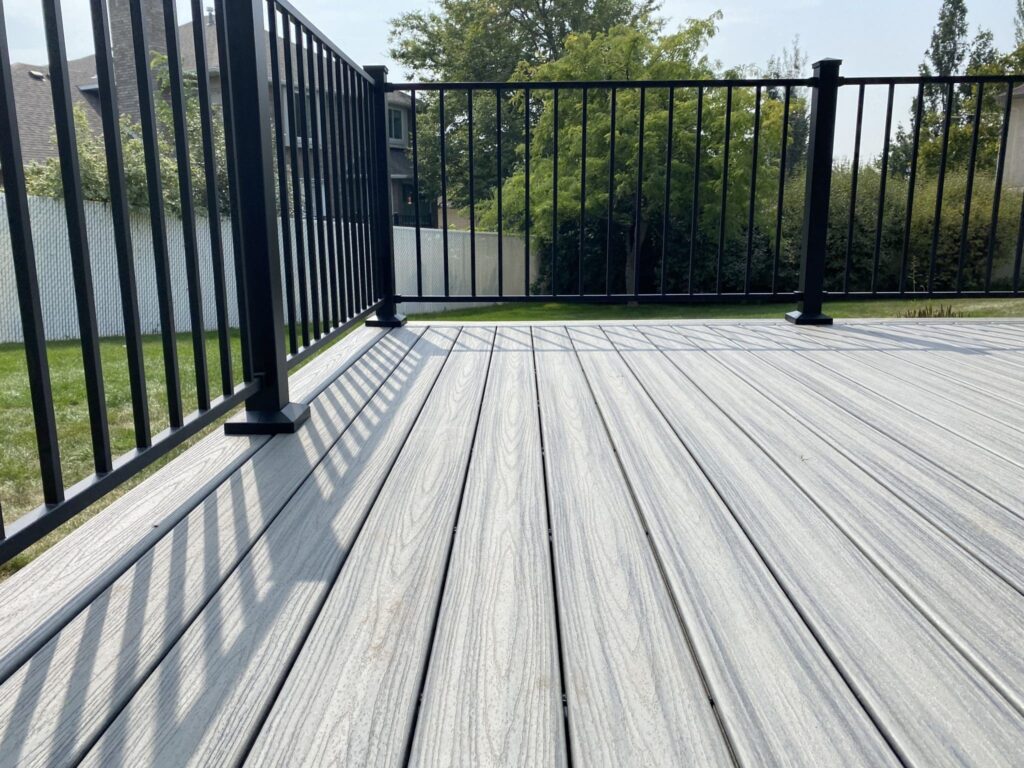
The aluminum profiles used for decking are usually designed with an anti-slip surface on the top and reinforcing ribs on the bottom to ensure stability under load. After production, the aluminum surface is typically treated with finishing methods such as anodizing or powder coating. These treatments improve corrosion resistance and enhance the appearance of the material.
Because of the special profile structure and surface treatment process, extruded aluminum decking can perform well in outdoor environments for many years without deformation or deterioration.
Aluminum Extrusion Technology in Decking Production
Aluminum extrusion technology plays a key role in the quality of extruded aluminum decking boards. The process begins by heating aluminum billets to temperatures of about 400–500°C. When the aluminum becomes soft and flexible, it is pushed through an extrusion die to form aluminum profiles with the desired cross-sectional shape.
The precision of the extrusion die allows manufacturers to design aluminum decking profiles with integrated technical features. These features may include reinforcing ribs, drainage channels, or connection grooves between boards. Such designs reduce the number of additional components needed during installation and improve the overall strength and stability of the aluminum decking system.
After extrusion, the extruded aluminum profiles are often heat-treated to increase hardness and strength. In architectural applications, aluminum alloys from the 6000 series aluminum are commonly used, especially alloys such as 6063 aluminum or 6005 aluminum. These alloys provide good mechanical properties and excellent corrosion resistance, making them suitable for outdoor decking applications.
Structure of an Aluminum Decking System
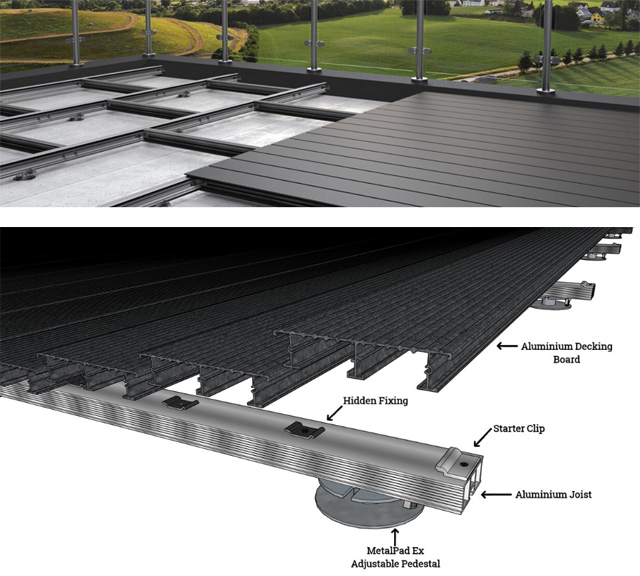
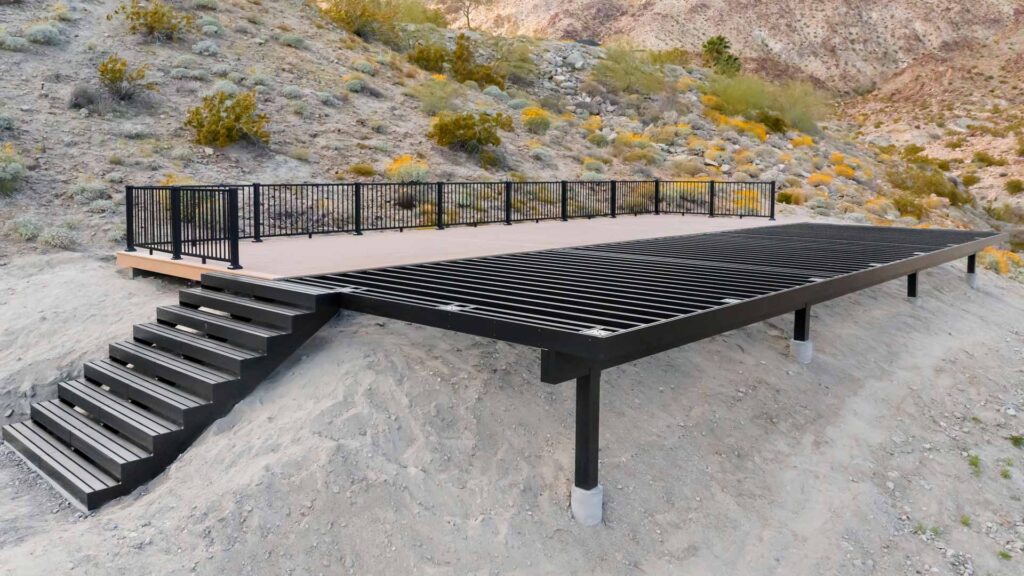
A complete extruded aluminum decking system usually consists of several structural components that work together. The most important part is the aluminum decking boards, which are installed in rows to create a continuous outdoor flooring surface. These boards are typically designed with locking systems or connection grooves to ensure precise and secure installation.
Under the decking boards is the supporting frame structure. This frame may be made from aluminum profiles or galvanized steel, depending on the requirements of the project. The frame helps distribute the load from people, furniture, and other objects on the deck to the underlying structure.
Some outdoor aluminum decking systems also include built-in drainage channels within the profile structure. When it rains, water can flow through these channels or gaps instead of staying on the deck surface. This design helps keep the outdoor flooring surface dry and reduces the risk of slipping.
With accurate connections between all components, the entire extruded aluminum decking system forms a stable and durable structure with a long service life.
Mechanical Properties and Durability of Extruded Aluminum Decking
Aluminum has a very high strength-to-weight ratio, which makes it an excellent material for outdoor decking systems. This means aluminum can handle relatively large loads while remaining lightweight.
When designed with reinforced extruded aluminum profiles and internal ribs, the load-bearing capacity of aluminum decking boards can be significantly improved. This allows the outdoor aluminum flooring system to support foot traffic, outdoor furniture, and decorative elements without structural issues.
Aluminum also has natural corrosion resistance due to the formation of an aluminum oxide layer on its surface when exposed to air. This layer acts as a protective barrier that prevents deeper oxidation of the metal. When combined with surface treatments such as anodizing or powder coating, the corrosion resistance becomes even stronger, especially in humid outdoor environments.
Because of these properties, extruded aluminum decking can maintain its stability and performance for many years without major replacement or repair.
Adaptability of Outdoor Aluminum Flooring
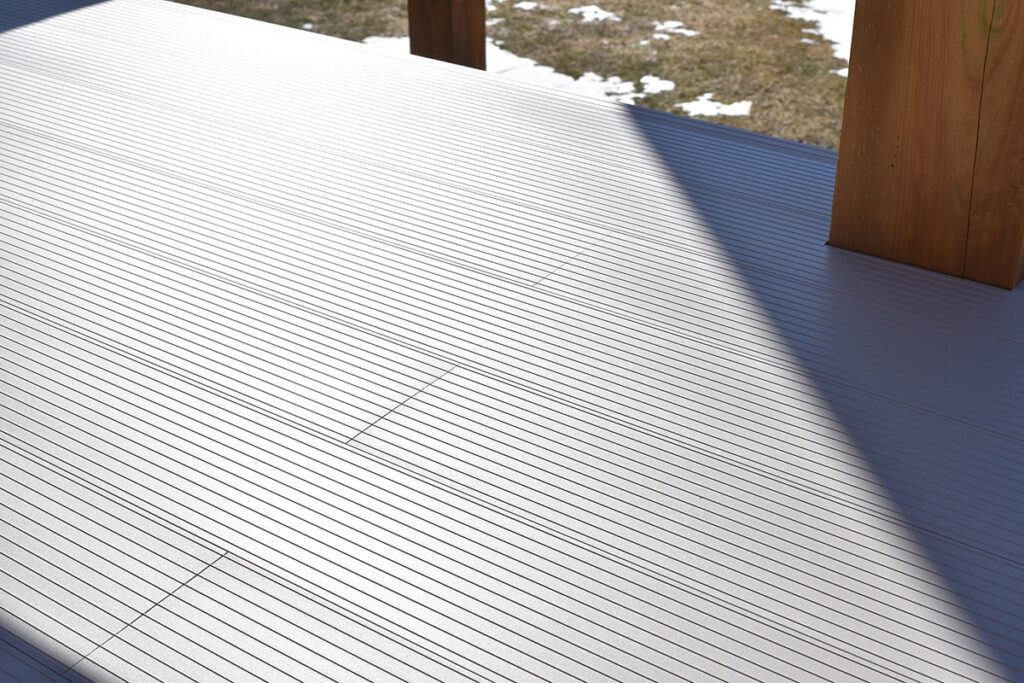
One of the main reasons extruded aluminum decking is highly valued in modern architecture is its ability to adapt to different outdoor environments. Unlike many other materials, aluminum does not absorb water. This means the aluminum decking boards do not swell or deform when exposed to rain or high humidity.
Temperature changes between day and night also have minimal impact on extruded aluminum profiles. The structural stability of aluminum helps the decking surface maintain its shape and flatness even after long-term use.
In addition, the surface of outdoor aluminum decking can be specially treated to increase friction, improving safety when walking on the deck. This is particularly important in areas frequently exposed to water, such as swimming pools or outdoor terraces.
Applications of Extruded Aluminum Decking in Architecture
Extruded aluminum decking is used in many construction projects because it meets the requirements for durability, aesthetics, and structural stability.
In high-rise buildings, aluminum decking systems are often installed in balconies and rooftop terraces, where the flooring must withstand direct exposure to weather conditions.
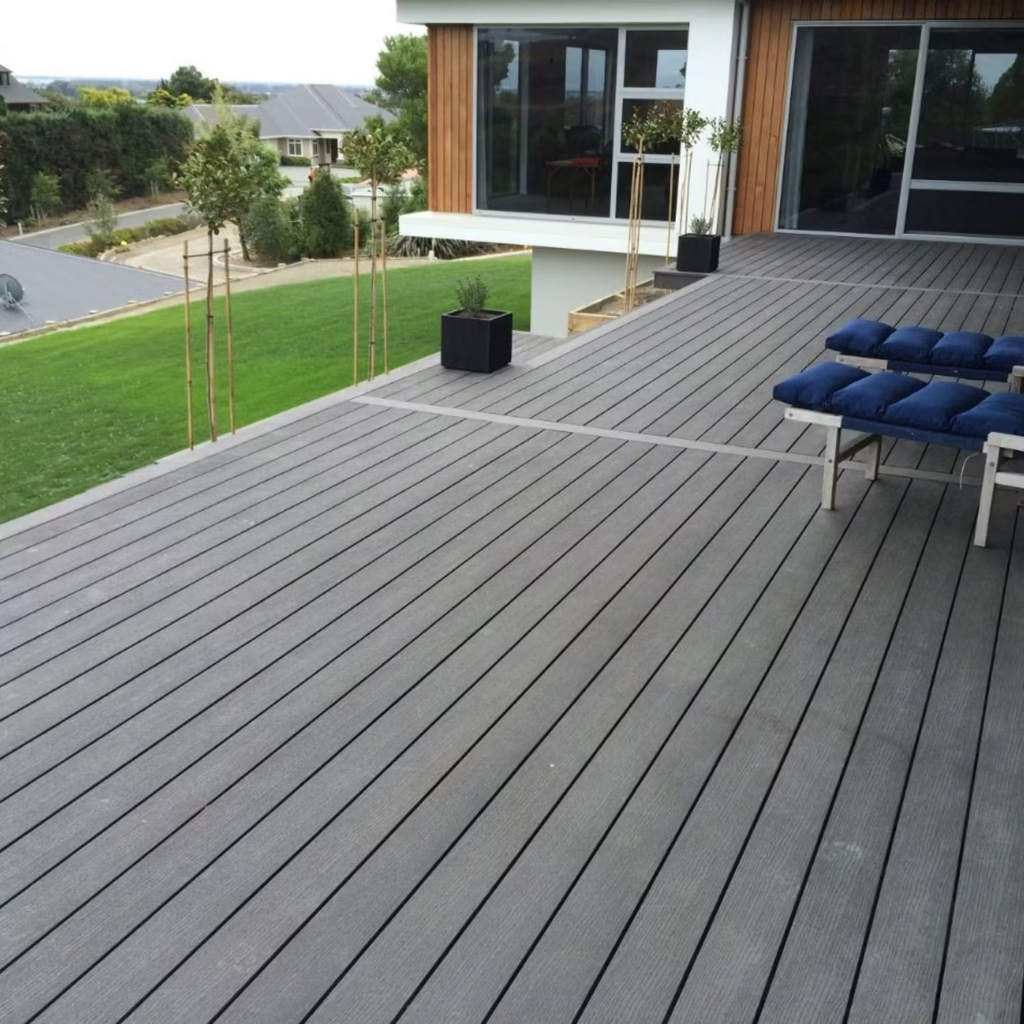
In resorts and hotels, outdoor aluminum flooring is commonly used around swimming pools, outdoor walkways, and relaxation areas. The anti-slip surface and efficient drainage design help keep these spaces safe and dry.
Coastal construction projects and marina docks are also suitable applications for extruded aluminum decking. The corrosion resistance of aluminum allows the material to perform well in humid environments or areas exposed to seawater.
In landscape architecture projects, aluminum decking boards are often used to create garden pathways, outdoor seating areas, and terrace spaces. With modern profile designs and refined surface finishes, extruded aluminum decking systems contribute to a contemporary architectural style.
The Role of Extruded Aluminum Decking in Sustainable Construction
Sustainable development has become an important goal in the modern construction industry. Materials used in buildings today are expected to have long service life, recyclability, and minimal environmental impact.
Aluminum is one of the few materials that can be recycled almost completely without losing its quality. This helps reduce the demand for new raw materials and lowers the environmental impact of construction.
The long lifespan of extruded aluminum decking also reduces the need for frequent replacement of flooring materials throughout the building’s life cycle. As a result, the total amount of materials used and maintenance costs can be significantly reduced.
Conclusion
Extruded aluminum decking is a modern outdoor flooring solution for architectural spaces. With aluminum extrusion technology and optimized aluminum profile design, this type of flooring offers a balance between lightweight structure, high durability, and environmental adaptability.
With its stable structure, strong corrosion resistance, and long service life, extruded aluminum decking systems are increasingly used in many types of construction projects, including residential buildings, hotels, and landscape architecture developments.
As the construction industry moves toward more sustainable materials, extruded aluminum decking is becoming a reliable choice for outdoor spaces that require durability, stability, and long-term performance.
Read more: The Ultimate Aluminum Billets for Flawless Machining
Mia – Export Sales Department
kinhdoanh@nhomminhdung.vn
+84 332 008 948 (WhatsApp/Wechat)
https://minhdungholdings.com