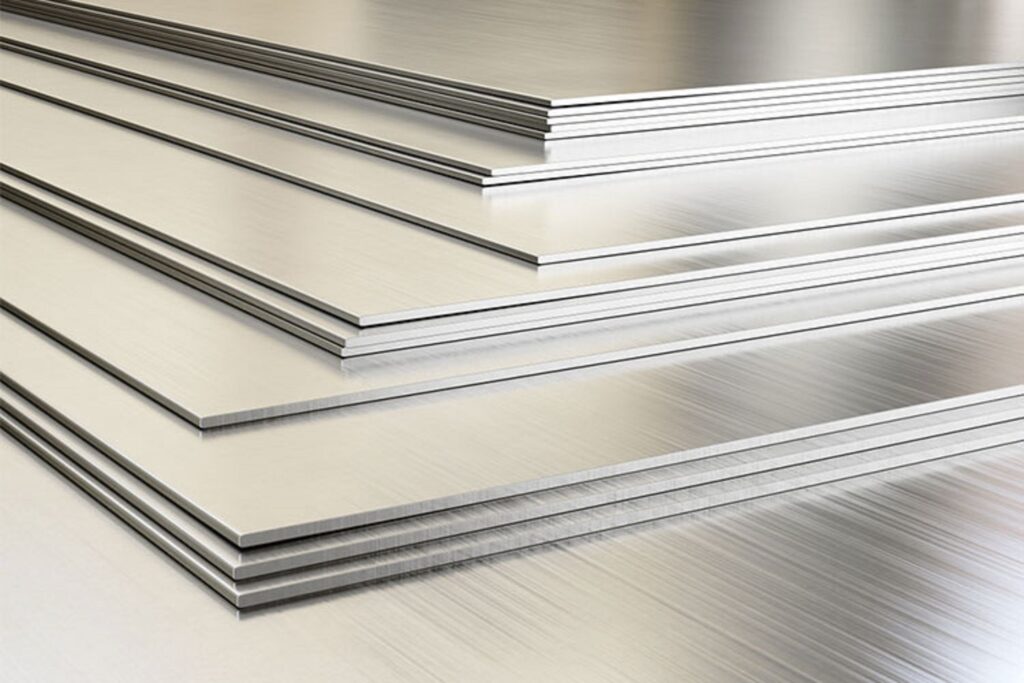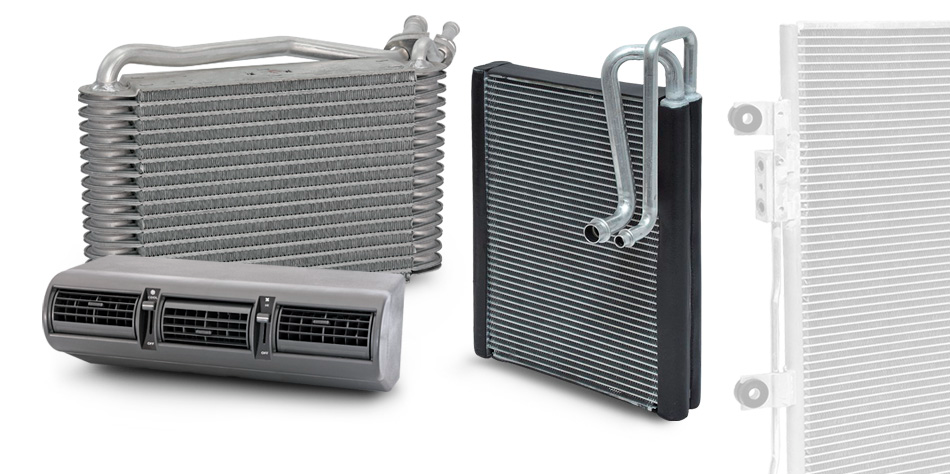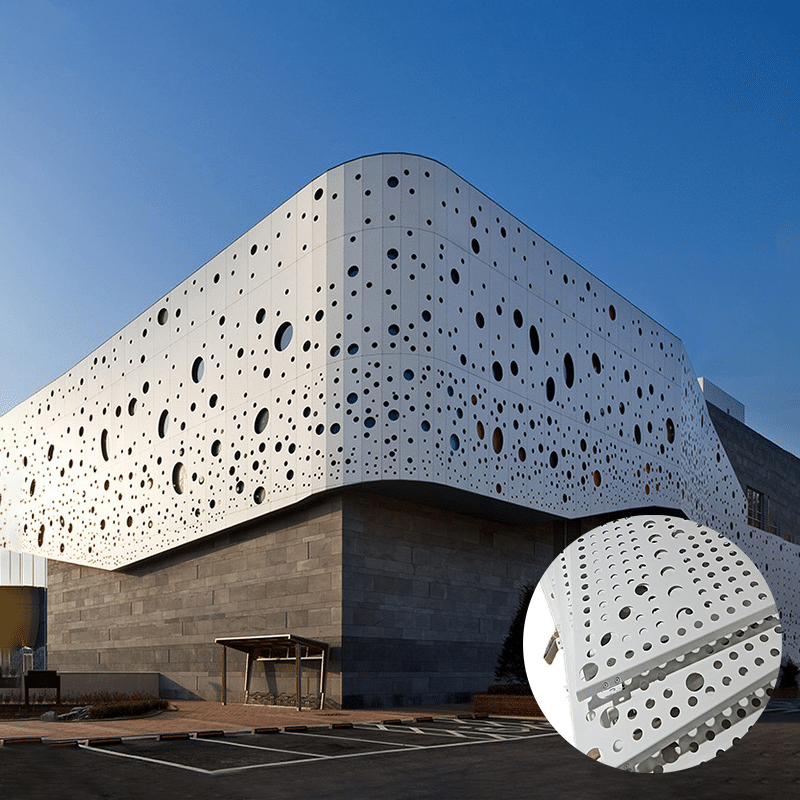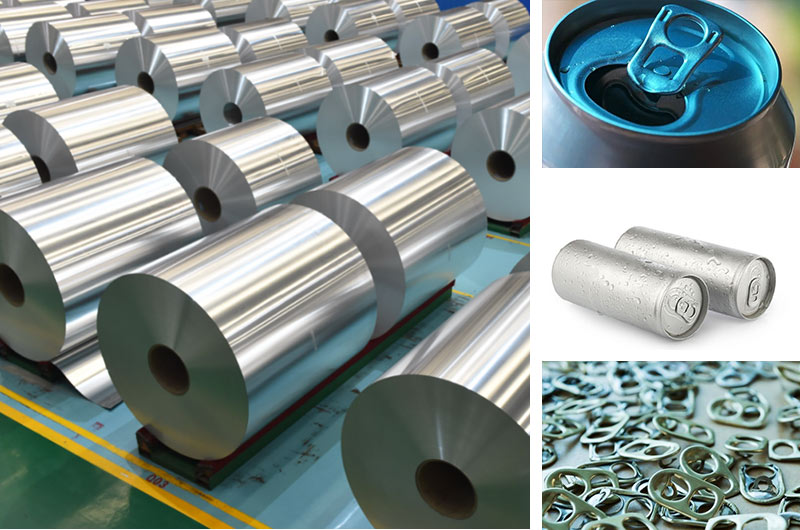
In aluminum extrusion, sandblasting (also called abrasive blasting) is a vital surface treatment after extruding profiles from billets. For Minh Dung Holdings — the company uses 100% local materials, follows zero-waste practices, and meets CBAM rules. Therefore, sandblasting improves surface quality, strengthens coating adhesion, and boosts its role as a leader in green aluminum production.
What Is Sandblasting?
Sandblasting blasts high-pressure air mixed with abrasive media onto aluminum. Media include aluminum oxide, glass beads, or walnut shells. This removes dirt, oil, burrs, and uneven oxide layers. As a result, the surface becomes evenly rough with a matte finish. This prepares it well for anodizing or painting.
Moreover, there are two types. Dry blasting is fast for large volumes. Wet blasting cuts dust and is more eco-friendly. Therefore, wet blasting suits Minh Dung Holdings’ green goals.
Feel free to watch the sandblasting process video through the following link.
Role and Benefits of Sandblasting in Aluminum Extrusion
After heating billets to 400–500°C and pushing them through a die, surfaces often keep contaminants and burrs. However, sandblasting in aluminum extrusion solves this. It brings clear benefits for Minh Dung Holdings.
Deep Cleaning and Defect Removal
It removes oils, iron dust, and burrs. This creates a clean surface. Therefore, anodizing and painting become uniform and defects drop.
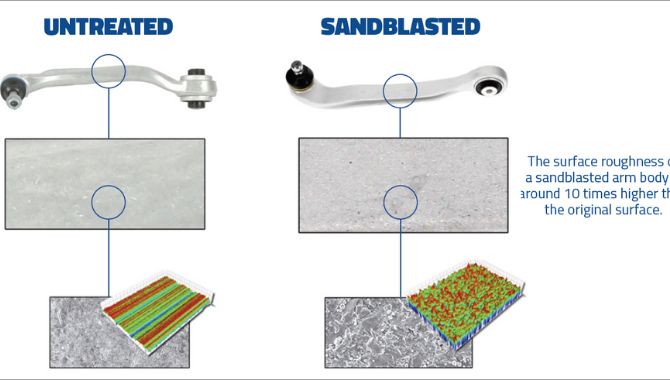
Ideal Surface Roughness
Sandblasting raises coating adhesion by up to 30%. For example, it stops peeling on anodized or painted layers. This helps alloys like 3104, 3105, and 5005 used in industry and construction.
Better Mechanical Properties and Looks
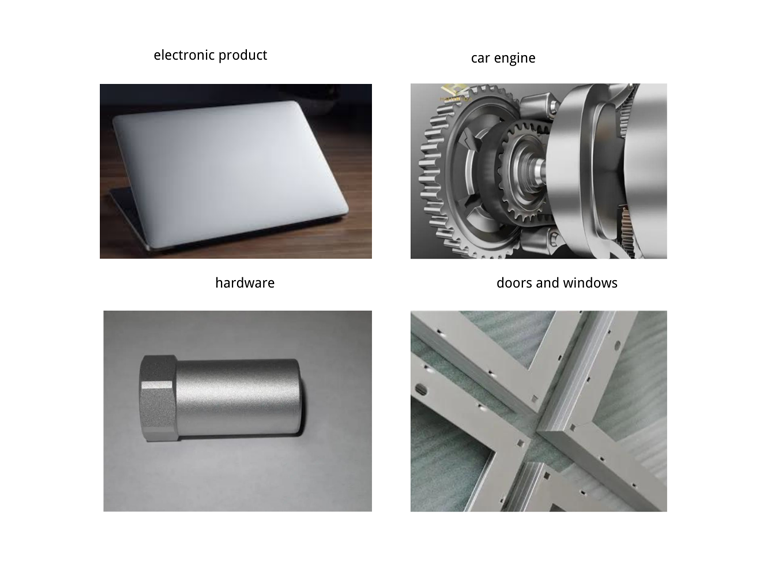
Furthermore, it boosts corrosion resistance, fatigue strength, and heat dissipation. In addition, the matte finish hides marks and scratches. This gives a premium look for CBAM-ready green products.
Economic and Sustainable Gains
The method is low-cost and quick (0.5–1 m² per minute). Abrasives can be reused many times. Wet blasting reduces dust. Therefore, it supports 100% recycling and zero-waste at Minh Dung Holdings. As a result, the company gains a strong edge in global markets.
Sandblasting Process in Aluminum Extrusion
The process happens after cooling and before coating. It integrates easily into Minh Dung Holdings’ line. Follow these steps:
- Preparation Check products (often 6xxx, 3xxx, or 5xxx alloys). Clean with alkaline solution (40–60°C, 5–10 minutes). Rinse well. Mask areas not to blast.
- Media and Equipment Pick aluminum oxide for rough texture or glass beads for fine finish. Use grit 80–320 mesh. Choose pressure machines or wet systems for low dust.
- Blasting Use 2.5–4.5 bar pressure (lower for thin items). Keep 45–75° angle and 100–300 mm distance. Move at 0.3–1.2 m/s. Wet blasting (1:3 ratio) fits green priorities.
- Post-Processing Measure roughness (Ra 1.6–2.5 µm). Remove leftover media with nitric acid or ultrasound. Dry at 80–100°C. Then move to anodizing or coating.
This fast process (minutes per square meter) helps maintain the planned 25,000-ton yearly output.
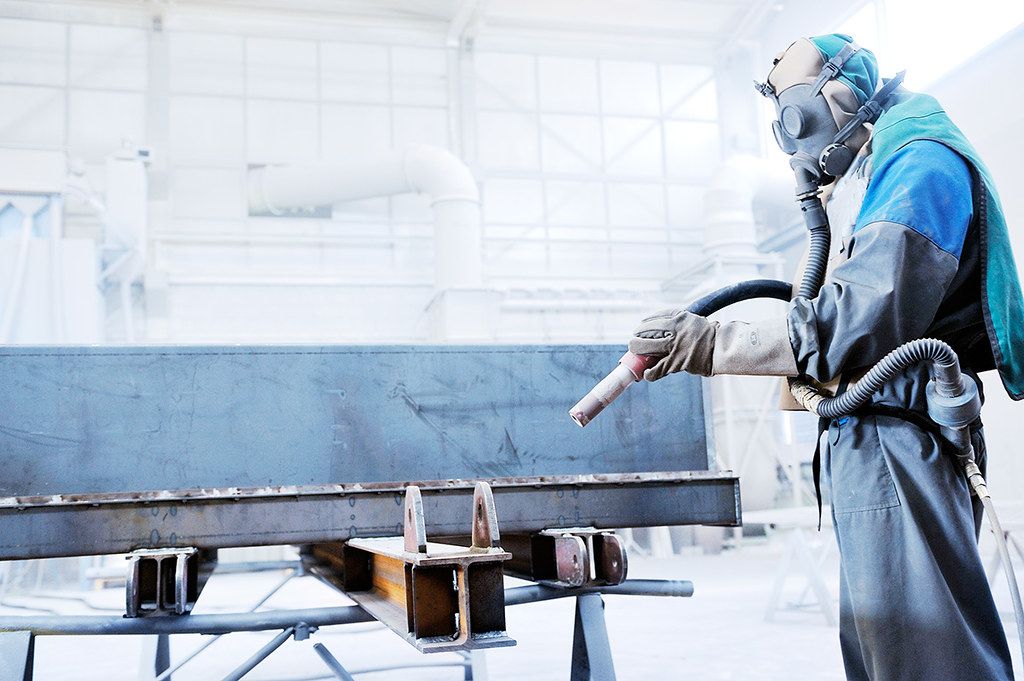
Key Notes and Safety Tips
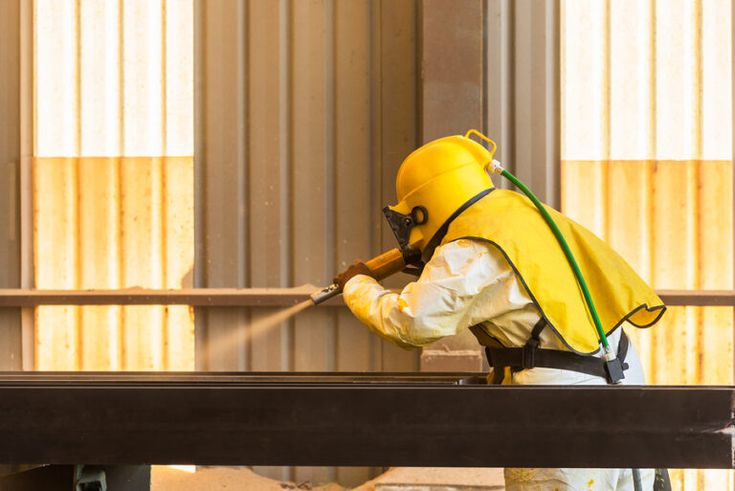
- Choose wet blasting to cut dust. Workers must wear goggles, respirators, and gloves.
- Use low pressure on thin materials (<1 mm) to avoid bending.
- Test samples first before full runs.
- Follow ISO 2409 for adhesion checks and green rules — matches Minh Dung Holdings’ CBAM and zero-waste standards.
- Pick safe media like aluminum oxide (avoid silica sand).
Conclusion
Sandblasting in aluminum extrusion improves surface quality and coating strength in a cost-effective, green way. For Minh Dung Holdings, it increases durability, cuts defects, and strengthens green leadership. Ready for trials or setup? Contact us for support!
Mr. Kevin Nguyen
Hotline/WhatsApp: +84 373 486 719