Overview
In the aluminium extrusion industry, billet quality is one of the most critical factors influencing production efficiency and final product performance. Even when using the same alloy, such as 6063, differences in casting technology can significantly affect surface finish, internal structure, and extrusion stability.
Among the available casting methods, air slip and hot-top are the two most widely used. Their differences go beyond processing techniques and extend into metallurgical behavior, cost efficiency, and suitability for various markets.
Fundamental Difference in Casting Technology
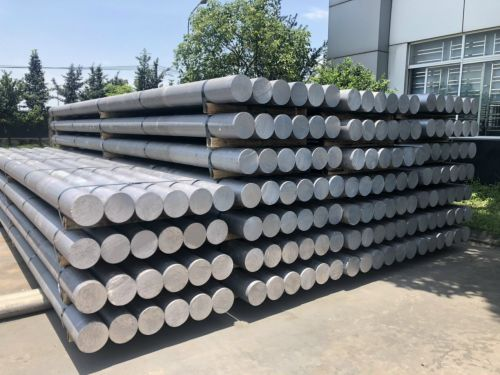
Air slip casting is an advanced semi-continuous process where a thin layer of air is maintained between the molten aluminium and the mould surface. This air layer reduces direct contact and friction, allowing for more controlled heat transfer during solidification.
In contrast, hot-top casting is a more conventional method where molten aluminium comes into direct contact with the mould. The “hot-top” system helps regulate the metal flow by maintaining temperature at the top of the mould, but it does not eliminate uneven cooling or friction at the mould interface.
This fundamental difference in contact conditions directly impacts billet quality.
Surface Quality and External Characteristics
In practical production, air slip billets typically exhibit a much smoother and cleaner surface. Reduced friction minimizes surface defects such as scratches, oxide buildup, and metal bleeding. This leads to less pre-treatment before extrusion and more consistent surface appearance.
Hot-top billets, due to direct mould contact, are more prone to minor surface imperfections. While these are acceptable for standard applications, they may become problematic in products requiring high surface quality, especially for anodizing or decorative finishes.
Internal Structure and Metallurgical Consistency
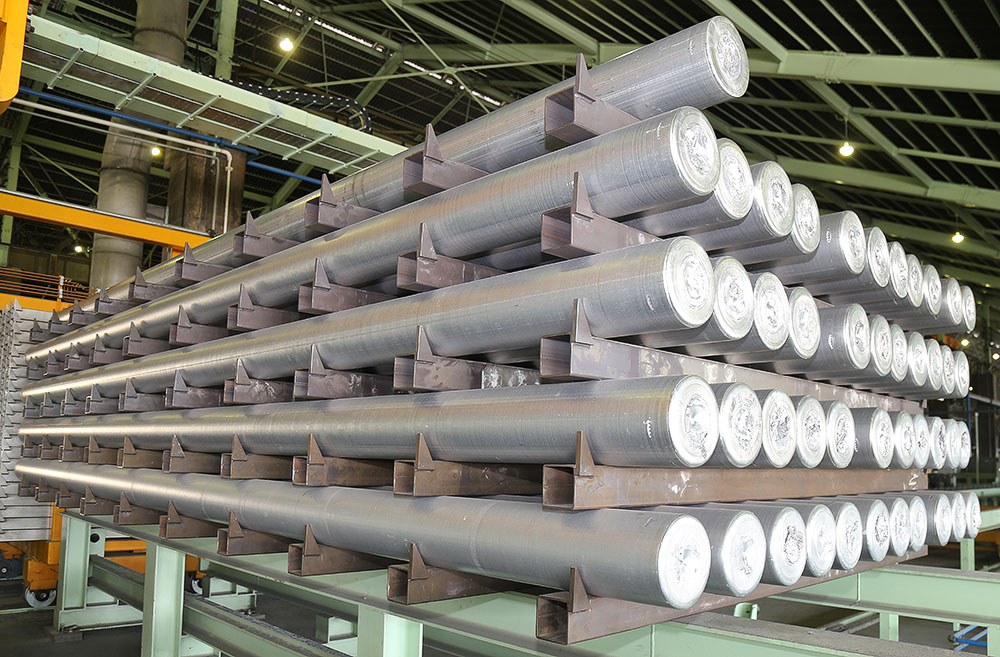
The most significant difference lies in the internal structure of the billet. Air slip casting promotes more uniform grain formation and reduces macro-segregation during solidification. In many industrial observations, segregation levels can be reduced by approximately 20 to 40 percent compared to hot-top billets.
Additionally, air slip billets tend to have lower porosity and fewer internal defects. This results in better mechanical consistency and more predictable behavior during extrusion.
Hot-top billets, while still meeting general industry standards, often show less uniformity between the outer layer and the core. This variation can lead to instability when processing under high-speed or high-precision conditions.
Impact on Extrusion Performance
When billets are fed into extrusion lines, the differences become more evident. Air slip billets generally allow for smoother metal flow, resulting in more stable extrusion conditions. Many manufacturers report an increase in extrusion speed of around 5 to 15 percent when using air slip billets, along with a noticeable reduction in surface defects such as die lines.
Hot-top billets can still perform well in standard conditions, but they may require tighter process control. In demanding applications, issues such as tearing, surface streaks, or inconsistent flow are more likely to occur.
Cost Considerations and Real Production Efficiency
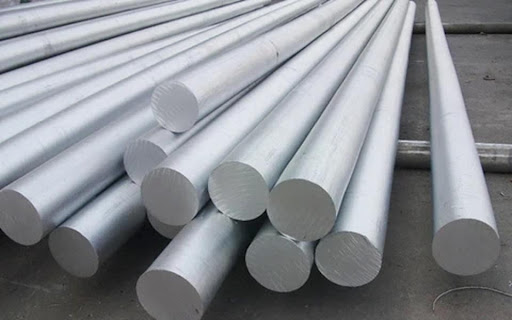
From a purchasing perspective, hot-top billets are typically more affordable. The price difference often ranges from 10 to 30 USD per ton, depending on market conditions and LME fluctuations. This makes hot-top an attractive option for cost-sensitive operations.
However, evaluating cost purely based on initial price can be misleading. In real production environments, air slip billets often result in lower rejection rates, typically below 2 to 3 percent. Hot-top billets, on the other hand, may lead to rejection rates in the range of 3 to 6 percent or higher if process control is not optimal.
Lower defect rates translate into reduced downtime, less material waste, and fewer customer complaints. Over time, these factors can offset the higher initial cost of air slip billets and even provide better overall profitability.
Market Applications and Buyer Preferences
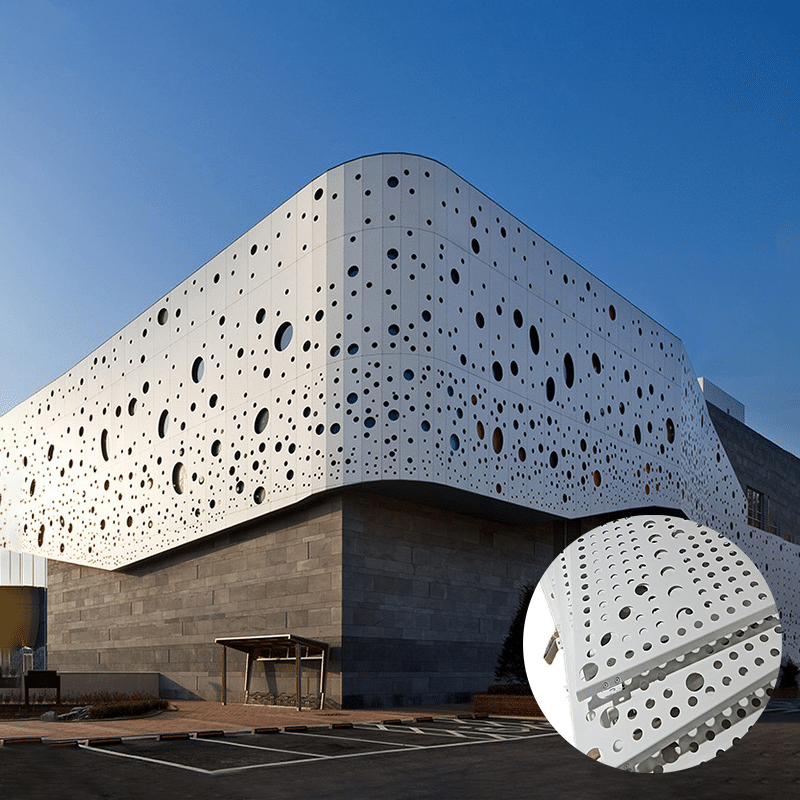
Air slip billets are commonly used in high-end applications where surface quality and consistency are critical. These include architectural aluminium, anodized profiles, and export products destined for demanding markets such as Japan, South Korea, and Europe.
Hot-top billets are more widely used in general applications, including construction materials and standard extrusion products. They are particularly suitable for markets where cost competitiveness is the primary concern.
In practice, many buyers initially choose hot-top billets to reduce costs, but later switch to air slip as their quality requirements increase or as they expand into higher-value markets.
Conclusion
The difference between air slip and hot-top billets is not simply a matter of casting preference, but a strategic decision that affects the entire production chain. While hot-top billets offer cost advantages, air slip billets provide superior consistency, lower defect rates, and better performance in demanding applications.
Choosing the right billet depends on production goals, quality requirements, and target markets. A well-informed decision can significantly improve both operational efficiency and long-term competitiveness.
Mia Ha
Export–Import Sales Department
Website: https://nhomminhdung.vn/
Email: kinhdoanh@nhomminhdung.vn
Hotline/WhatsApp: +84 332 008948