Learn why 6061 aluminum alloy is widely used for extrusion, forging, machining, transportation and industrial applications. Explore 6061 properties, strength, corrosion resistance and billet quality.
1. Introduction
Among all the alloys in the 6000 series, 6061 aluminum alloy stands out as one of the most widely used grades in modern industry. From structural frames to marine hardware, 6061 has earned its reputation for one simple reason: it offers a balanced combination of strength, lightweight properties, corrosion resistance, weldability, machinability, and heat-treatability.
This balance is exactly what makes 6061 so versatile. Rather than excelling in a single category, it performs reliably across many, which is why manufacturers across extrusion, forging, machining, transportation, marine, and structural sectors continue to choose it as their go-to material.
In this article, we’ll break down what 6061 aluminum alloy actually is, examine its key mechanical and chemical properties, compare it to the closely related 6063 alloy, and explain what buyers should look for when sourcing 6061 billet for industrial production. According to The Aluminum Association’s Aluminum Standards & Data, 6061 remains one of the most extensively documented and specified alloys in the 6xxx series.
2. What Is Aluminum Alloy 6061?
6061 belongs to the 6xxx series of wrought aluminum alloys, a family defined by magnesium and silicon as the principal alloying elements. This combination gives 6061 its defining characteristic: it is a heat-treatable alloy, meaning its mechanical properties can be significantly enhanced through controlled heating and aging processes rather than through cold working alone.
The Aluminum Association recognizes 6061 as the most widely used alloy in the entire 6xxx series, largely because of how adaptable it is across product forms – sheet, plate, bar, tube, extrusions, and forgings.
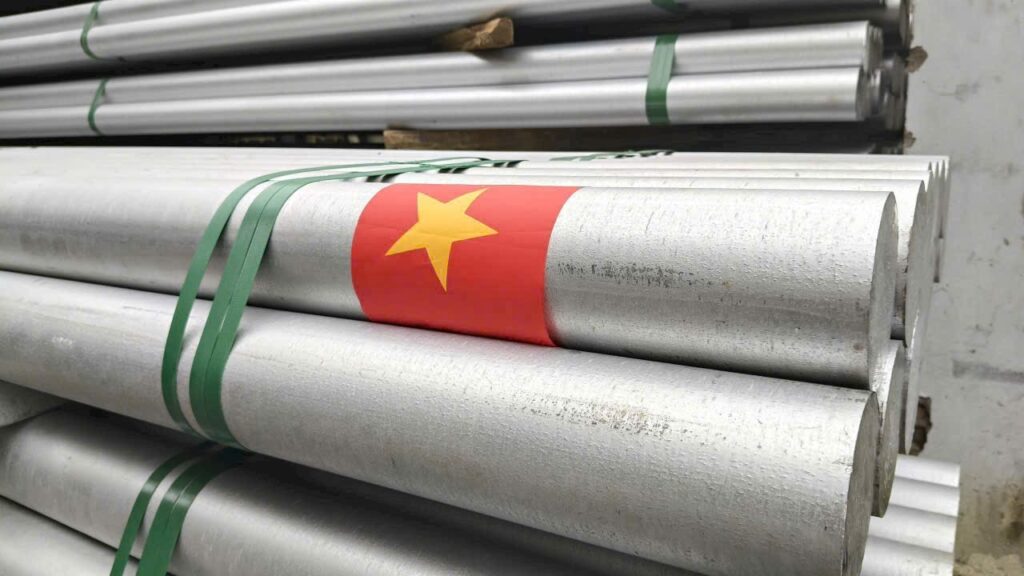
It’s important to understand that the actual properties of a piece of 6061 aluminum are not fixed. They depend heavily on:
- Temper (the specific heat-treatment or work-hardening condition)
- Product form (extrusion, plate, forging, etc.)
- Dimensions of the finished part
- Processing conditions during manufacturing
This is why technical data sheets always specify a temper designation alongside the alloy name – “6061” alone tells only part of the story.
3. Key Properties of 6061 Aluminum
Strength-to-Weight Ratio
Aluminum’s relatively low density compared to steel makes it inherently attractive for applications where reducing weight matters – transportation, aerospace-adjacent industries, and structural components. 6061 adds meaningful mechanical strength on top of that lightweight base.
In its 6061-T6/T651 temper, the alloy is commonly referenced as an example of the strength this grade can achieve. However, buyers and engineers should always confirm mechanical properties against the applicable standard for their specific product form and dimensions, since values can vary.
Corrosion Resistance
Aluminum naturally forms a thin oxide layer on its surface, which acts as a protective barrier against further oxidation. The 6xxx series, including 6061, is well regarded for good corrosion resistance, making it suitable for outdoor, marine-adjacent, and industrial environments where long-term durability matters.
Heat-Treatability
One of 6061’s defining strengths is how it responds to different tempers, each offering a different balance of strength and formability:
- 6061-O – Annealed condition, offering maximum softness and formability, ideal for parts requiring significant bending or shaping.
- 6061-T4 – Solution heat-treated and naturally aged, providing moderate strength with good formability.
- 6061-T6 – Solution heat-treated and artificially aged, delivering higher strength for structural applications.
- 6061-T651 – Similar to T6 but stress-relieved by stretching, commonly used for plate products requiring dimensional stability.
This range of tempers means manufacturers can select the exact combination of strength and workability needed for their specific process, whether that’s deep forming or high-load structural use.
Weldability and Machinability
6061 is well suited to products that pass through multiple downstream manufacturing steps. It can generally be welded and machined without excessive difficulty, which is a major reason it’s favored for components that require fabrication after the initial extrusion or forging stage – frames, brackets, fittings, and structural assemblies among them.
4. Why 6061 Is Suitable for Industrial Applications
The core advantage of 6061 isn’t that it dominates in one narrow category – it’s that it delivers balance. Compared with alloys optimized primarily for decorative extrusion finish or maximum achievable strength, 6061 offers a practical middle ground across:
- Strength
- Lightweight properties
- Corrosion resistance
- Heat-treatability
- Machinability
- Weldability
- Manufacturing flexibility
This all-around performance is precisely what makes 6061 suitable for such a wide range of industrial applications, rather than being confined to a single niche use case.
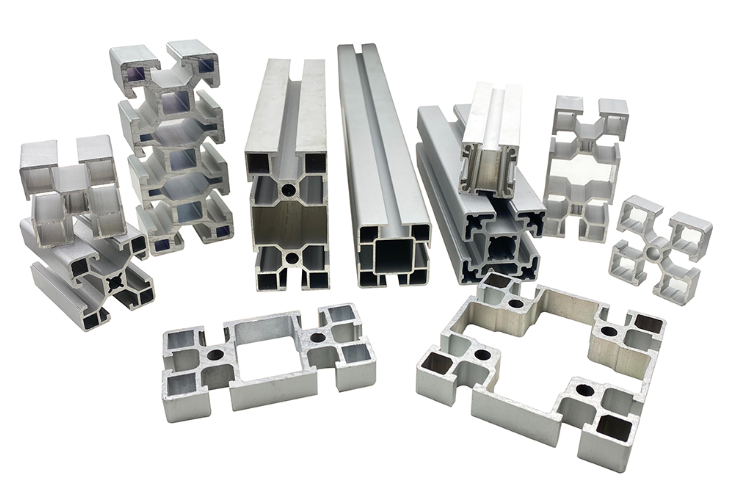
5. 6061 Aluminum for Extrusion
The extrusion process generally follows this sequence:
Aluminum billet → Heating → Extrusion through die → Profile → Heat treatment/finishing
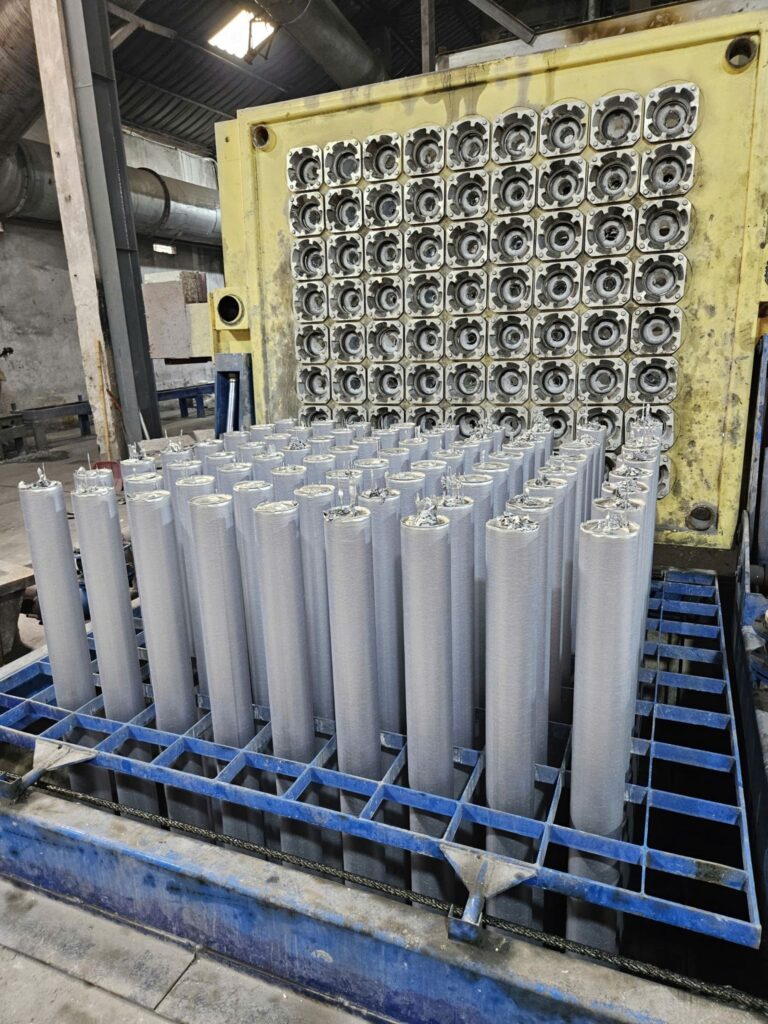
Because 6061 combines good extrudability with solid mechanical performance after heat treatment, it’s frequently chosen for structural and industrial extrusion work.
A critical point that’s often overlooked: the quality of the starting 6061 billet directly influences downstream extrusion performance. A poor-quality billet can lead to inconsistent profiles, surface defects, or mechanical properties that fall short of specification – no matter how well-tuned the extrusion process itself is.
Research on Al-Mg-Si alloy homogenization consistently shows that proper thermal treatment of the billet before extrusion has a measurable impact on the final microstructure and mechanical performance of the extruded product.
6. 6061 Aluminum for Forging
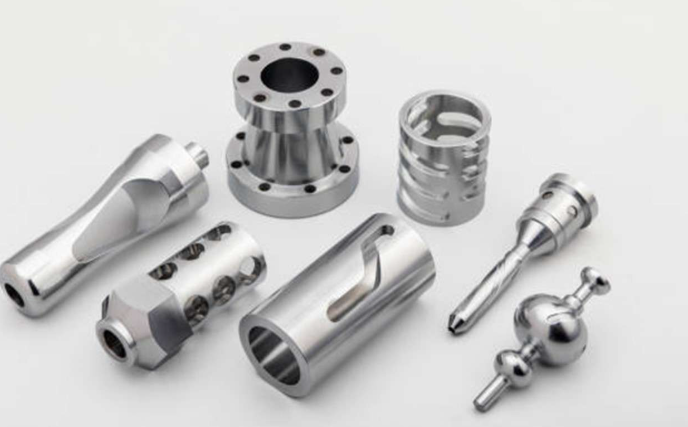
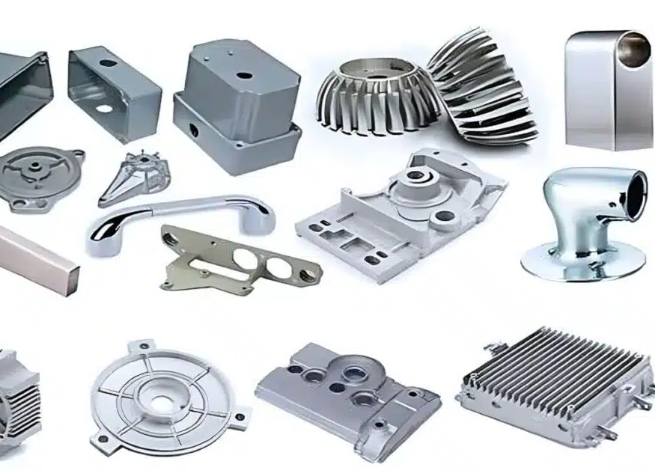
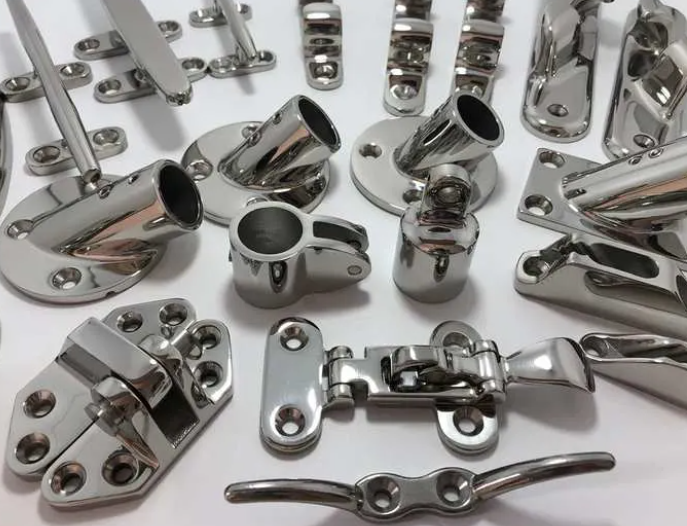
Beyond extrusion, 6061 is also widely used as a material for forged components, particularly where a balance of strength and corrosion resistance is required in a solid, load-bearing part. Common applications include:
- Automotive parts
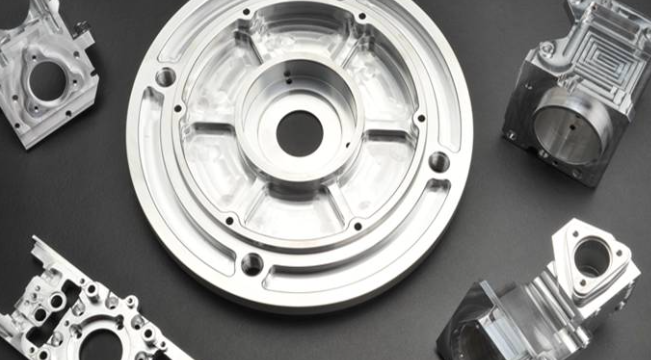
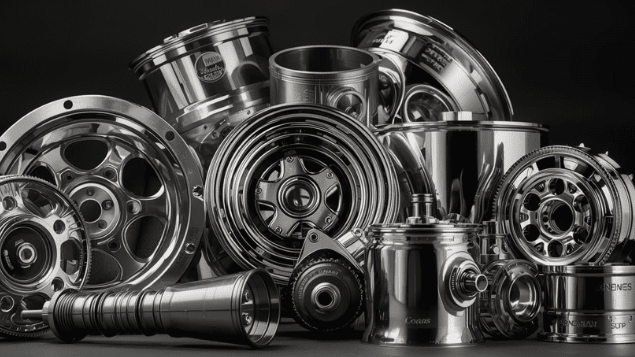
- Machinery components
- Marine hardware
- Industrial parts
For forging applications, billet specifications shouldn’t be treated as one-size-fits-all. They need to be determined based on the specific forging process, the geometry of the final component, and the mechanical-property requirements the finished part must meet.
7. 6061 vs. 6063
Since 6061 and 6063 are often confused or compared during sourcing decisions, here’s a quick side-by-side look:
| Element | 6061 | 6063 |
| Si (Silicon) | 0.40–0.80 | 0.20–0.60 |
| Fe (Iron) | ≤0.70 | ≤0.35 |
| Cu (Copper) | 0.15–0.40 | ≤0.10 |
| Mn (Manganese) | ≤0.15 | ≤0.10 |
| Mg (Magnesium) | 0.80–1.20 | 0.45–0.90 |
| Cr (Chromium) | 0.04–0.35 | ≤0.10 |
| Zn (Zinc) | ≤0.25 | ≤0.10 |
| Ti (Titanium) | ≤0.15 | ≤0.10 |
| Others (Total) | ≤0.15 | ≤0.15 |
| Al | Balance | Balance |
Why this composition drives the difference in properties:
Copper (Cu) is the key distinguishing element. 6061 contains 0.15–0.40% Cu, while 6063 contains almost none (≤0.10%). Copper significantly contributes to mechanical strength after heat treatment, which is the primary reason 6061 achieves noticeably higher strength than 6063.
Higher Mg and Si content in 6061 (Mg 0.80-1.20 vs. 0.45–0.90; Si 0.40–0.80 vs. 0.20–0.60) results in a greater volume of Mg₂Si precipitates formed during aging, boosting strength in the T6 temper – but this also reduces extrusion smoothness and surface finish compared to 6063.
Higher Fe and Cr in 6061 further contribute to strength but make the alloy “harder” to extrude. This is why 6063 (with low Fe and Cr) extrudes more easily and produces a smoother, more attractive surface finish – ideal for architectural profiles.
In short: 6061 is generally preferred when mechanical strength and structural performance are the priority, while 6063 is often selected for its excellent extrusion performance and superior surface finish – think architectural window frames and decorative profiles versus load-bearing structural parts.
8. What Should Buyers Consider When Purchasing 6061 Billet?
For manufacturers and procurement teams sourcing 6061 billet, price alone shouldn’t be the deciding factor. Here are the factors that actually determine downstream performance and cost-efficiency:
- Chemical composition accuracy
- Billet diameter and dimensional tolerance
- Metallurgical homogeneity
- Proper homogenization treatment
- Surface quality
- Internal metallurgical quality
- Quality documentation and certificates
- Traceability of production batches
- Production capacity of the supplier
- Supply reliability and consistency
The takeaway here is simple but important: the lowest billet price does not necessarily represent the lowest total production cost. Inconsistent billet quality can lead to higher scrap rates, more downtime, and unpredictable results further down the production line – costs that often outweigh any upfront savings.
9. Why Choose Minh Dung Aluminium Vietnam?
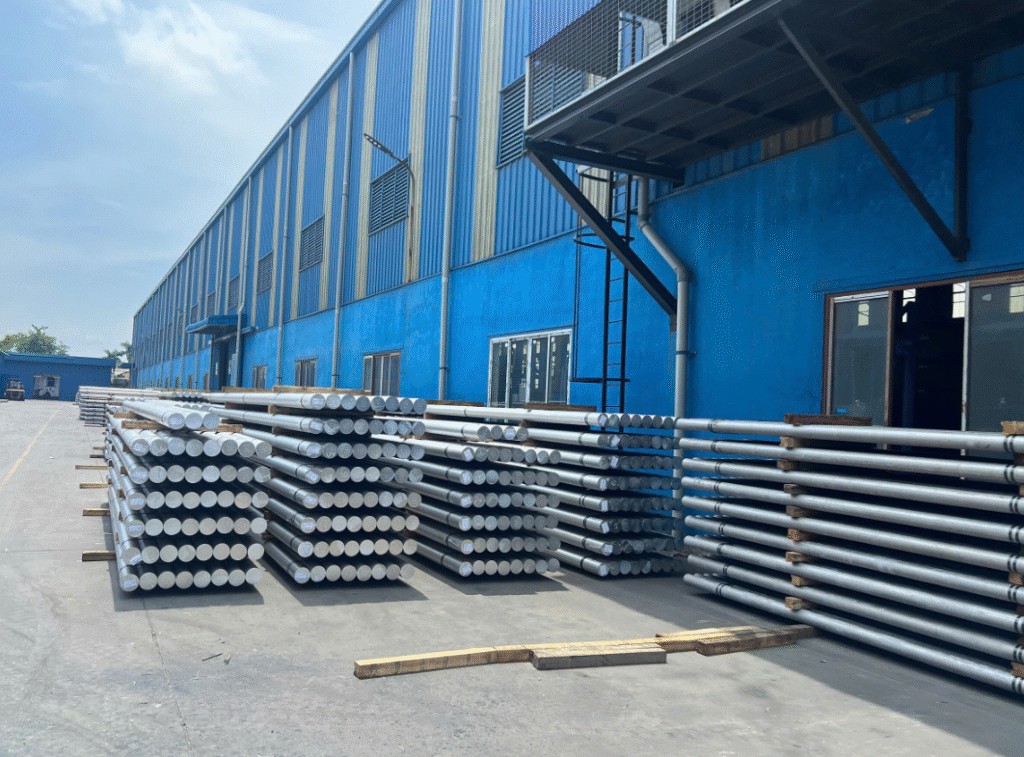
Minh Dung Aluminium is a Vietnam-based aluminum manufacturer and billet supplier, built around the same principle this article has emphasized throughout: consistency matters as much as raw specifications.
Consistent Production Quality – Production is controlled at every stage, from melting and casting through billet preparation and homogenization, to help ensure predictable results batch after batch.
6061 Billet for Different Applications – Whether your operation is focused on extrusion, forging, machining, or broader industrial manufacturing, Minh Dung’s 6061 billet is prepared to support your specific process.
Customized Specifications – Alloy specification, billet diameter, order quantity, packaging, technical requirements, and delivery terms can all be discussed and tailored according to customer needs.
Export Capability – Production and logistics are structured to support international customers, making Minh Dung a practical sourcing option beyond the domestic Vietnamese market.
Reliable Supply – Suitable for both trial orders from new customers and long-term supply programs for established manufacturing partners.
Long-Term Partnership -The focus stays on consistent specifications, ongoing technical cooperation, responsive communication, and dependable supply over time – the foundation of any good B2B relationship.
6061 aluminum alloy remains one of the most widely used grades in the 6000 series because it delivers a balanced combination of strength, low weight, corrosion resistance, heat-treatability, weldability, machinability, and manufacturing flexibility – not just one standout trait, but a reliable package across the board.
Looking for 6061 aluminum billet for extrusion or forging?
Contact Information:
Ms Anna
Sales Export
Email: export@nhomminhdung.vn
Whatsapp: +84 942024605