In the aluminum extrusion industry, the quality of aluminium billets plays a crucial role in determining the efficiency of the entire production process. One of the most important factors that define billet quality is its alloy composition. Even small variations in elements such as Magnesium (Mg), Silicon (Si), Iron (Fe), and Copper (Cu) can significantly influence extrusion performance, surface quality, and the mechanical properties of the final aluminum profiles.
So how exactly does the alloy composition of aluminium billets affect the extrusion process? Let’s explore the key aspects below.
1. Composition Determines Extrudability
For aluminium alloys in the 6xxx series (Al–Mg–Si), Magnesium (Mg) and Silicon (Si) are the primary elements responsible for forming the Mg₂Si phase, which strengthens the alloy after heat treatment.
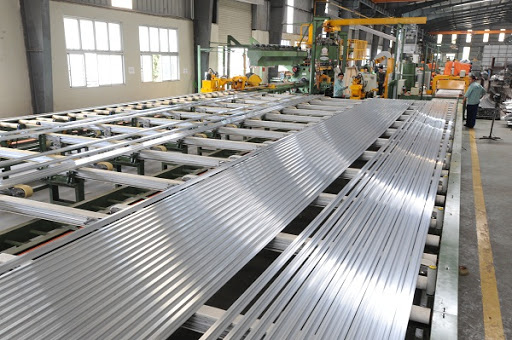
However, as the content of Mg and Si increases, the strength of the metal also increases, which leads to several extrusion-related effects higher extrusion force is required, extrusion speed may need to be reduced and extrusion dies experience greater pressure.
On the other hand, billets with slightly lower Mg and Si content are generally easier to extrude. The metal flows more smoothly through the die, making them ideal for producing complex or thin-wall aluminum profiles.
This is one reason why alloys such as 6060 are often used for high-end aluminum window systems with slim and sophisticated designs.
2. Impact on Surface Quality of Aluminium Profiles
The alloy composition also directly affects the surface finish of extruded aluminum profiles.
Impurity elements such as Fe, Cu, Mn can form hard intermetallic phases within the billet structure if present in higher concentrations. During extrusion, these phases may lead to defects such as:
- Surface streaks
- Rough surfaces
- Visible imperfections on the profile
For products that require high-quality anodizing or powder coating, strict control of impurities in aluminium billets is extremely important.
3. Influence on Mechanical Properties After Extrusion
After extrusion, aluminum profiles are usually subjected to heat treatment to achieve tempers such as T5 or T6. The alloy composition of the billet determines how effectively the alloy can undergo precipitation hardening during this stage.
For example:
- Proper Mg and Si content promotes the formation of the Mg₂Si strengthening phase
- The precipitation process during aging becomes more effective
- The final profiles achieve higher strength and hardness
If the alloy composition is not well controlled, the extruded profiles may fail to meet the required mechanical property standards.
4. Effect on Extrusion Productivity
The alloy composition of aluminium billets also affects the overall efficiency of extrusion operations.
Billets with optimized alloy composition can help:
- Increase extrusion speed
- Reduce extrusion force
- Minimize die wear
- Improve production output
Conversely, billets with unstable or poorly controlled composition may cause issues such as:
- Metal flow problems in the die
- Profile cracking
- Higher scrap rates
For this reason, extrusion plants often prefer billets with stable and well-controlled alloy composition.
Minh Dung Holdings – A Reliable Supplier of High-Quality Aluminium Billets
Minh Dung Holdings specializes in supplying high-quality aluminium billets for the aluminum extrusion industry. Our billets are strictly controlled in terms of alloy composition, metallurgical structure, and heat treatment process, ensuring stable extrusion performance and consistent profile quality.
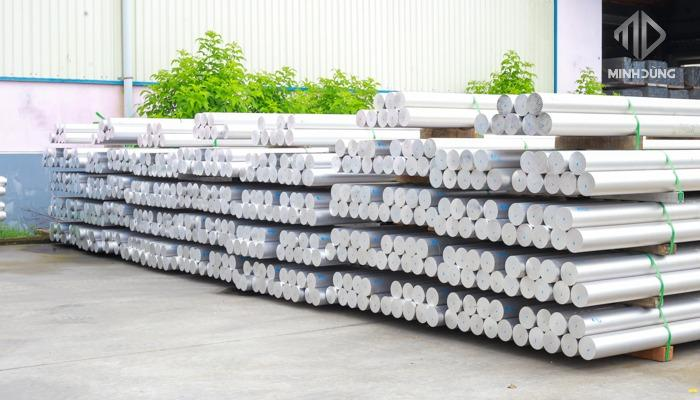
We provide a full range of popular 6xxx series aluminium billet alloys, including: 6061, 6060, 6063, 6005 6082
With stable supply capacity and strict quality standards, Minh Dung Aluminum is committed to delivering reliable aluminium billets for extrusion plants and aluminum profile manufacturers worldwide.
Contact
Lily Miller
Export Specialist – MD Holdings
Phone/WhatsApp: +84 867 767 310