In the aluminum extrusion industry, the chemical composition of your billet serves as the foundation for your final product’s success. Specifically, the Iron (Fe) content is a critical variable that dictates aesthetic finish, structural integrity, and cost-efficiency. At Minh Dung Holdings, we believe in technical transparency. Understanding the difference between common Fe levels will help you make the right choice for your next procurement order.
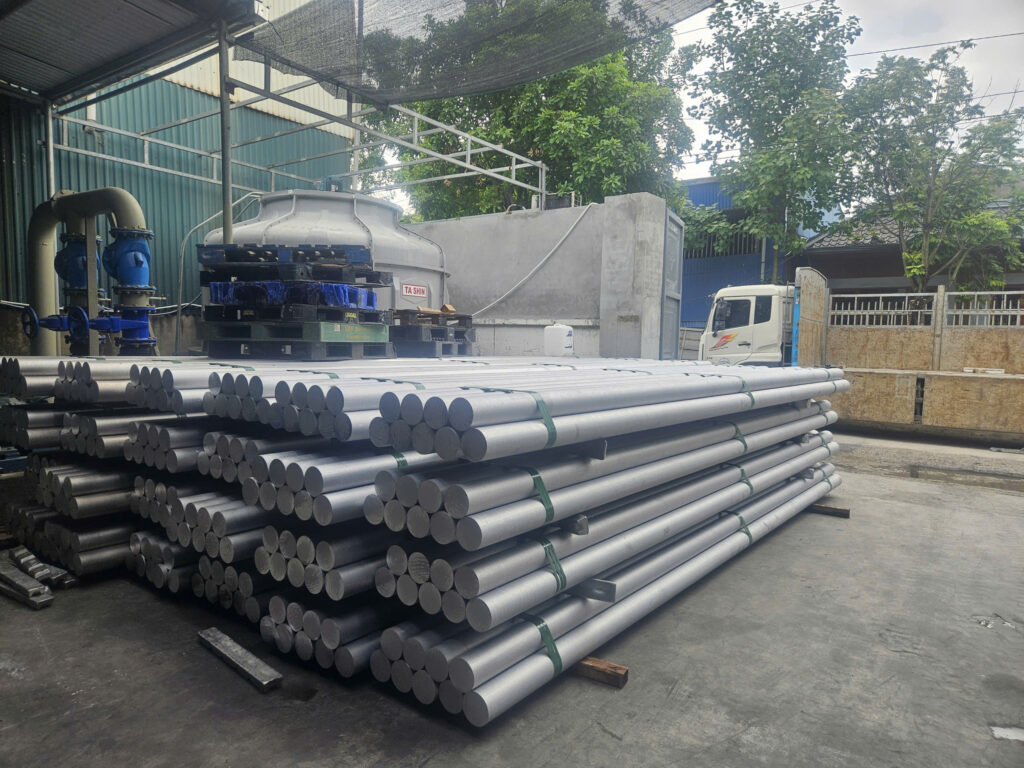
1. Understanding Aluminum Alloy Grades by Iron Content
To select the best material, we must first analyze the three primary grades used in industrial applications:
| Grade | Iron (Fe) Content | Structural Characteristics | Best Industrial Application |
| Industrial Grade | Fe > 0.3% | High hardness, lower ductility. | Scaffolding, basic construction, mass-market goods. |
| Standard Grade | Fe < 0.3% | Balanced strength and formability. | Industrial frames, ladders, furniture, architectural profiles. |
| High-End Grade | Fe < 0.25% | Superior ductility, pristine surface. | Anodized parts, precision extrusions, high-end decor. |
2. Technical Analysis: Which billet Should You Choose?
The Economy Choice (Fe > 0.3%)
This grade is typically derived from high-volume recycling processes. While it offers excellent hardness, the higher iron content can lead to brittleness. Furthermore, it is not recommended if you require high-level anodizing, as the surface may appear streaky. Choose this grade when your priority is cost-cutting for heavy-duty items where surface appearance is secondary, such as scaffolding systems or support beams.
The “Sweet Spot” (Fe < 0.3%)
For most manufacturers, this grade represents the optimal balance. It provides sufficient structural strength for demanding applications like heavy-duty ladders while maintaining enough flexibility for standard extrusion processes. Consequently, this is our most recommended grade for clients seeking a reliable, high-performance product without the premium cost of ultra-pure alloys.
The Precision Choice (Fe < 0.25%)
Lowering iron below 0.25% significantly improves the material’s grain structure. This reduction prevents the formation of intermetallic phases that cause surface dullness. Therefore, you should select this grade when your project requires flawless anodizing, mirror-like finishes, or complex, thin-walled profiles where material flow is critical.
3. Beyond the Chemical Specs: The Minh Dung Advantage
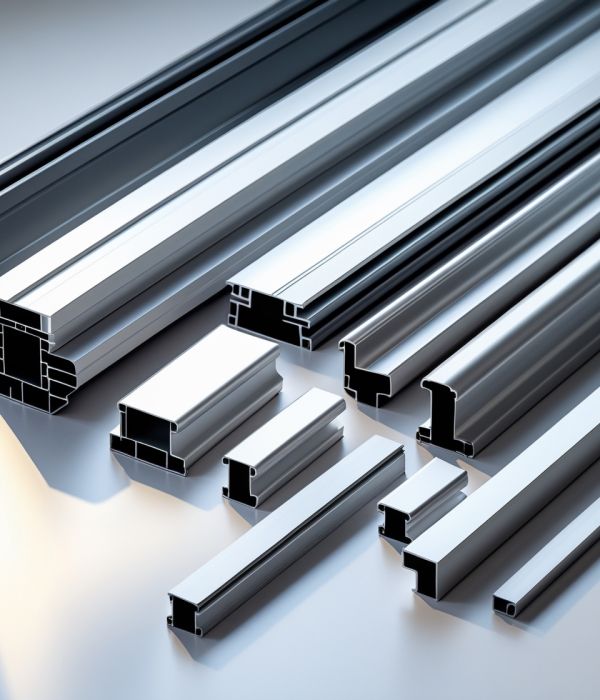
At our facility in the Doc Sat industrial area, we provide more than just raw materials; we offer technical solutions. Our commitment to excellence goes beyond simple chemical specifications in three key areas:
- Advanced Homogenization: Even if the Fe content is perfect, improper heating can cause defects. We utilize precise homogenization processes to ensure consistent grain structure, preventing cracks during extrusion.
- Controlled Material Blending: We carefully manage the ratio of primary ingots to recycled scrap. This rigorous control ensures that your material properties remain stable across every single batch.
- Engineering Consultations: We actively optimize client drawings. For example, by suggesting a shift from Fe < 0.25% to Fe < 0.3% for specific scaffolding components, we have successfully helped partners reduce costs by 5% without compromising safety standards.
Conclusion
Choosing the wrong Fe content can lead to costly manufacturing defects, such as cracking during bending or failed surface treatments. By matching the Fe content precisely to your end-product’s requirements, Minh Dung Holdings helps you avoid over-engineering, ensuring your production remains both high-quality and price-competitive.
Contact: Kevin Nguyen
Phone/WhatsApp: +84 373 486 719