Aluminum can be shaped into thousands of different products, but the manufacturing process behind those products can be very different. Aluminum extrusion and aluminum forging are two widely used forming processes, yet they are designed for different purposes.
Extrusion is commonly used to produce long profiles with a consistent cross-section, while forging is better suited to compact, three-dimensional components that need high mechanical performance.
So, which process is better?
The answer depends on the application. Geometry, strength requirements, production volume, material efficiency, surface finish, and cost all influence the right choice. And in both cases, the quality of the aluminum billet used as the starting material can have a significant impact on the final product.
Aluminum Extrusion vs. Forging: At a Glance
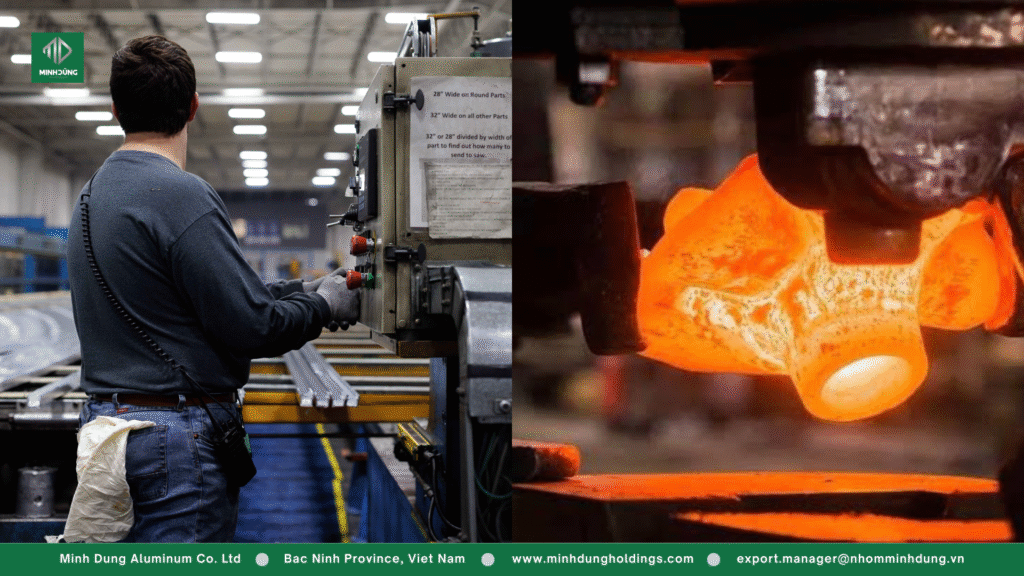
Before looking at each process in detail, the fundamental difference is simple: extrusion pushes aluminum through a die to create a continuous profile, while forging compresses aluminum under controlled force to form an individual component.
| Criteria | Aluminum Extrusion | Aluminum Forging |
| Forming method | Pushing aluminum through a die | Compressing aluminum under force |
| Main output | Profiles / sections | Components / parts |
| Product geometry | Long, consistent cross-sections | Complex 3D shapes |
| Typical applications | Construction, solar, industrial | Automotive, aerospace, machinery |
| Starting material | Aluminum billet | Aluminum billet / preform |
This basic distinction explains many of the differences in their production methods and applications.
How Does Aluminum Extrusion Work?
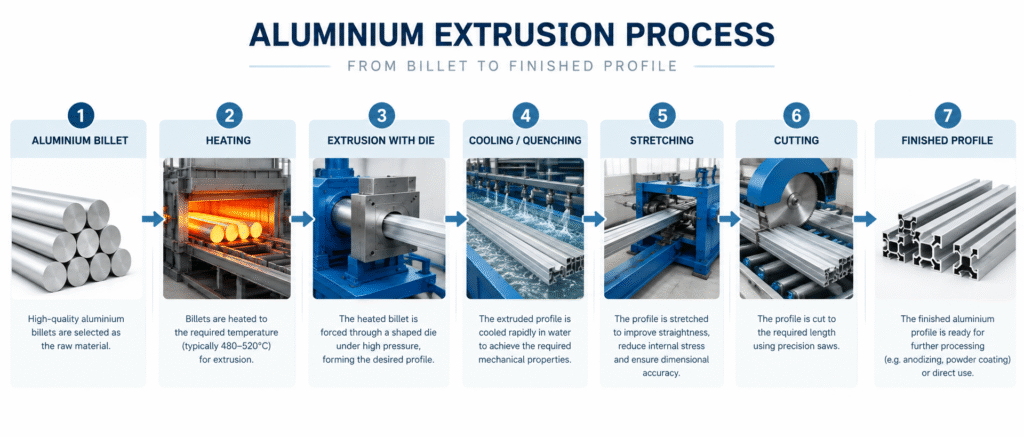
Aluminum extrusion starts with a billet, which is prepared and heated before being pushed through a specially designed die. The die determines the cross-sectional shape of the resulting profile.
The basic process typically involves:
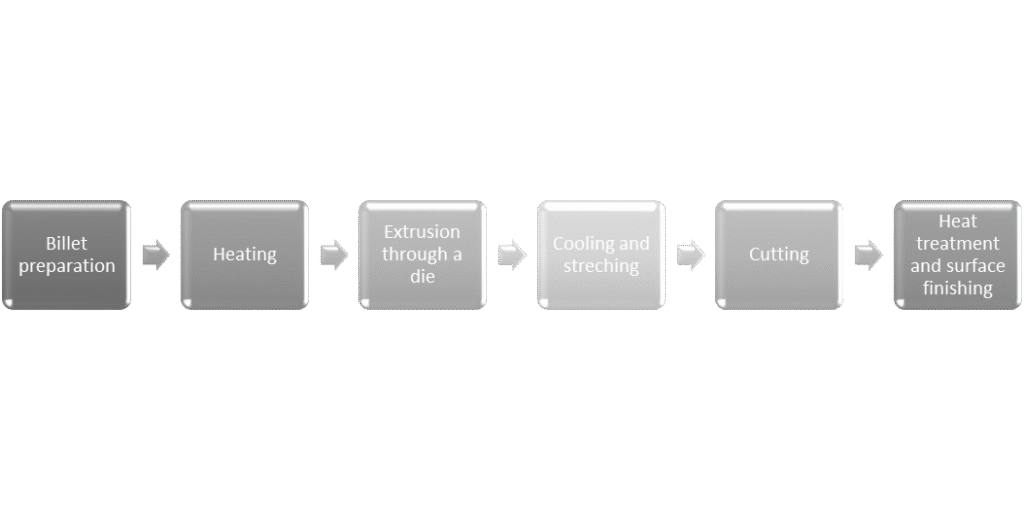
Because the material passes continuously through the die, extrusion is particularly effective for products where the same cross-section extends over a considerable length.
Characteristics of Extruded Aluminum
One of the biggest advantages of extrusion is design flexibility. A properly designed die can produce relatively complex cross-sections, including hollow sections, channels, ribs, and other features.
Extruded aluminum is commonly characterized by:
- Long, continuous profiles
- Consistent cross-sections
- Complex profile designs
- Hollow sections
- Good surface-finishing possibilities
- Suitability for high-volume production
This makes extrusion a natural choice when manufacturers need large quantities of repeatable profiles rather than individual three-dimensional parts.
Where Is Aluminum Extrusion Used?
Extruded aluminum can be found across many industries, including:
- Building and architectural systems
- Solar panel frames
- Automotive components
- Transportation
- Industrial equipment
- Machinery structures
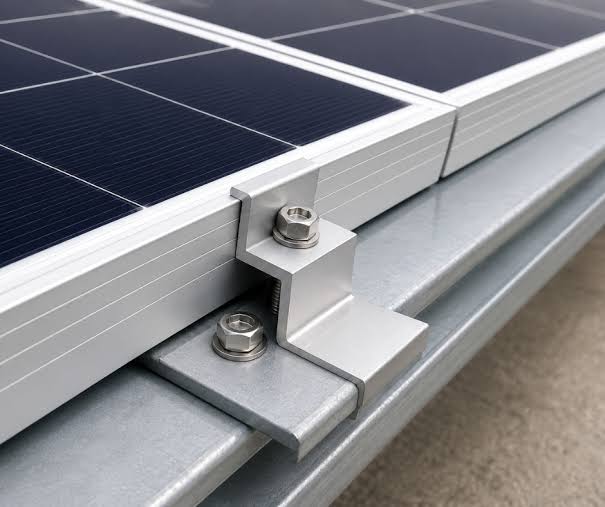
For example, a solar frame may require several meters of aluminum profile with the same cross-section. Extrusion can produce this type of product efficiently and consistently.
How Does Aluminum Forging Work?
Unlike extrusion, forging does not produce a continuous profile. Instead, a heated aluminum billet or preform is shaped under controlled compressive force.
Depending on the component, the process can include:
- Billet preparation and heating
- Preforming
- Die forging
- Trimming
- Heat treatment
- Machining and finishing
The material is forced to flow into the shape of the forging dies, allowing manufacturers to create compact components with controlled geometry and material flow.
Characteristics of Forged Aluminum
Forging is often selected when the performance of the finished component matters more than producing a long, continuous shape.
Key characteristics include:
- Controlled material flow
- High mechanical performance
- Good strength and fatigue resistance
- Suitability for complex component geometries
- Efficient material use in certain structural applications
These characteristics make forged aluminum particularly relevant to components exposed to significant mechanical loads or demanding operating conditions.
Where Is Aluminum Forging Used?
Typical applications include:
- Automotive components
- Aerospace components
- Machinery
- Transportation equipment
- High-load engineering parts
A suspension component, for example, has a very different manufacturing requirement from a solar frame. It needs a compact geometry and must withstand repeated mechanical loads. Forging can therefore be a more suitable process.
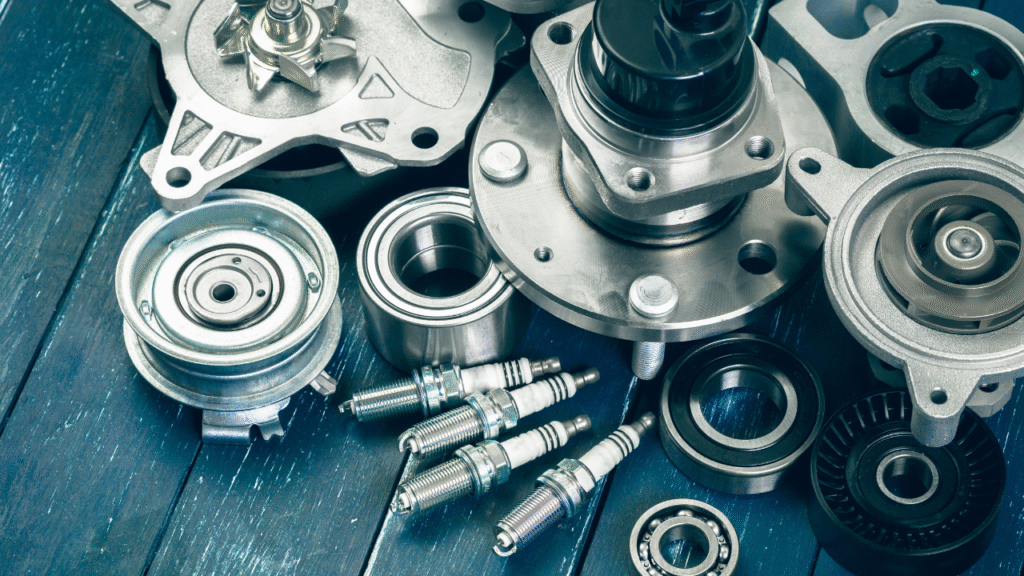
Aluminum Extrusion vs. Forging: 6 Key Differences
Although both processes can use aluminum billet as their starting material, they differ significantly in how the material is formed and what the final product is designed to achieve.
1. Manufacturing Method
The most fundamental difference is how the aluminum flows.
In extrusion, heated aluminum billet is pushed through a die. The die controls the cross-sectional shape, and the material exits continuously as a profile.
In forging, aluminum is compressed between or against dies. Instead of producing a continuous section, the material is progressively shaped into a specific component.
In simple terms:
Extrusion = push aluminum through a die.
Forging = compress aluminum into a component.
2. Product Shape and Geometry
This is often the easiest way to decide between the two processes.
Extrusion is ideal for long products with a consistent cross-section. It can also create complex profiles and hollow sections without requiring the component to be machined from a solid block.
Forging is more suitable for compact, three-dimensional components. The dies can shape aluminum into geometries that would not be practical to produce as a continuous extruded profile.
Therefore, a long architectural frame points toward extrusion, while a compact automotive structural component may point toward forging.
3. Mechanical Properties
Mechanical performance depends on more than simply choosing extrusion or forging. Alloy selection, material flow, heat treatment, and processing conditions all influence the final properties.
However, forging is particularly attractive for applications where strength and fatigue resistance are critical. Controlled material flow during forging can support the performance requirements of demanding structural components.
Extruded aluminum, meanwhile, can provide excellent mechanical performance for many structural and industrial applications when the appropriate alloy, temper, billet quality, and processing conditions are selected.
The important point is that “forged is always stronger” is too simplistic. The required performance should be evaluated together with alloy and temper rather than by manufacturing process alone.
4. Production Volume and Cost
Cost is another major consideration.
Extrusion can be highly efficient for large-volume production because one die can produce long lengths of profile continuously. This makes it attractive for standardized products and applications requiring many meters of material.
Forging usually involves more stages, including preforming, die forging, trimming, and potentially machining. Tooling and production requirements can therefore be more involved.
However, the cheapest process per kilogram is not necessarily the cheapest way to manufacture a finished component.
A better comparison considers:
- Tooling cost
- Production speed
- Material usage
- Machining requirements
- Production volume
- Final component requirements
For a high-volume structural profile, extrusion may offer a clear cost advantage. For a high-performance component, the additional forging cost may be justified by the required mechanical performance.
5. Material Utilization
Material efficiency can also differ significantly.
Extrusion generally produces the required profile directly from the billet, although billet remnants and subsequent cutting can still generate material loss.
Forging may require trimming and machining allowances. Depending on the component design, some material may therefore be removed after forming.
The real material yield depends heavily on part geometry, die design, machining allowance, and production conditions rather than the process name alone.
6. Surface Finish and Secondary Processing
Both processes can require secondary operations, but the requirements are different.
Extruded profiles can be cut to length and then undergo processes such as heat treatment, anodizing, coating, or other surface treatments. Surface appearance can be particularly important for architectural and consumer-facing applications.
Forged components commonly require trimming, heat treatment, machining, and finishing to achieve their final dimensions and specifications.
Therefore, when comparing costs, manufacturers should consider the complete production route, not only the initial forming process.
Extrusion or Forging: Which Process Is Right for Your Application?
There is no universally better process. The right choice depends on what the component needs to do.
Choose aluminum extrusion when:
- The product is long
- The cross-section remains relatively consistent
- Complex profiles are required
- High production volume is expected
- Surface appearance is important
Choose aluminum forging when:
- The component has a complex 3D shape
- High loads are involved
- Strength and fatigue performance are critical
- The component is relatively compact
- Structural integrity is a major requirement
A simple way to think about it is:
Need meters of profile? → Consider extrusion.
Need a compact, high-performance component? → Consider forging.
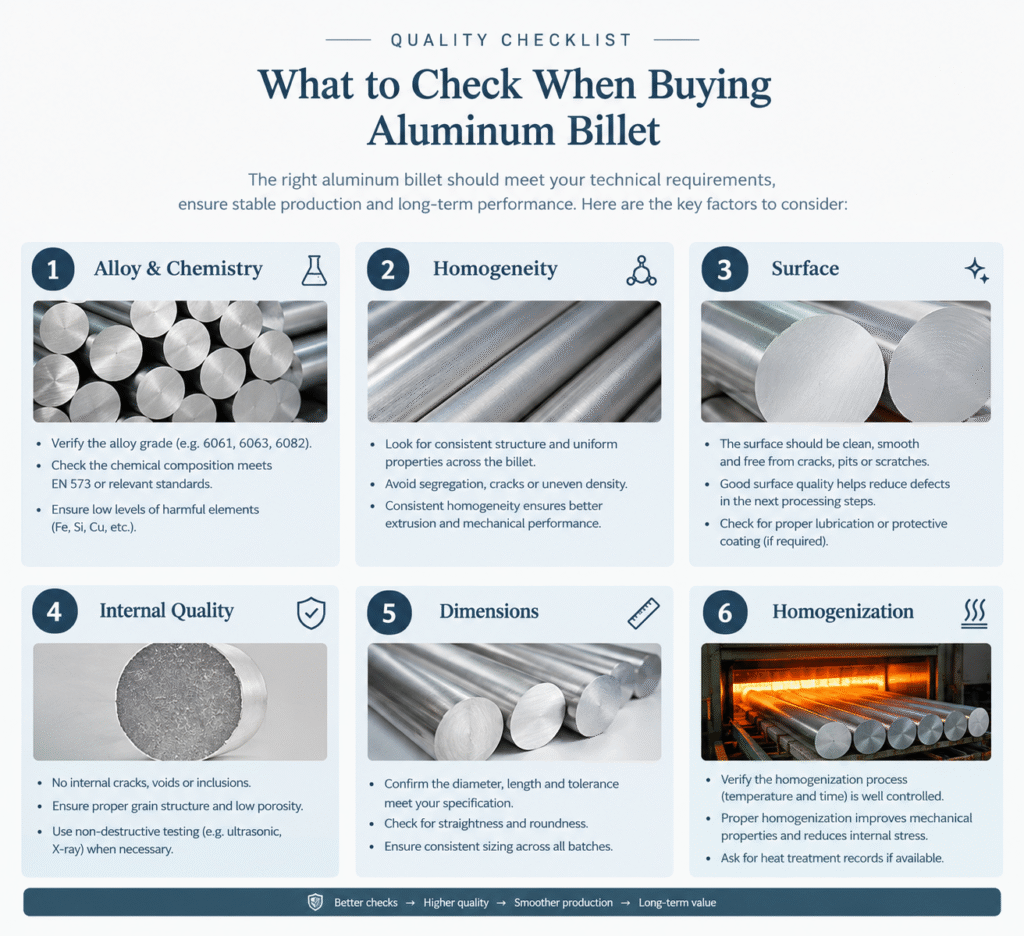
The Role of Aluminum Billet in Extrusion and Forging
Behind both processes is a common starting point: aluminum billet.
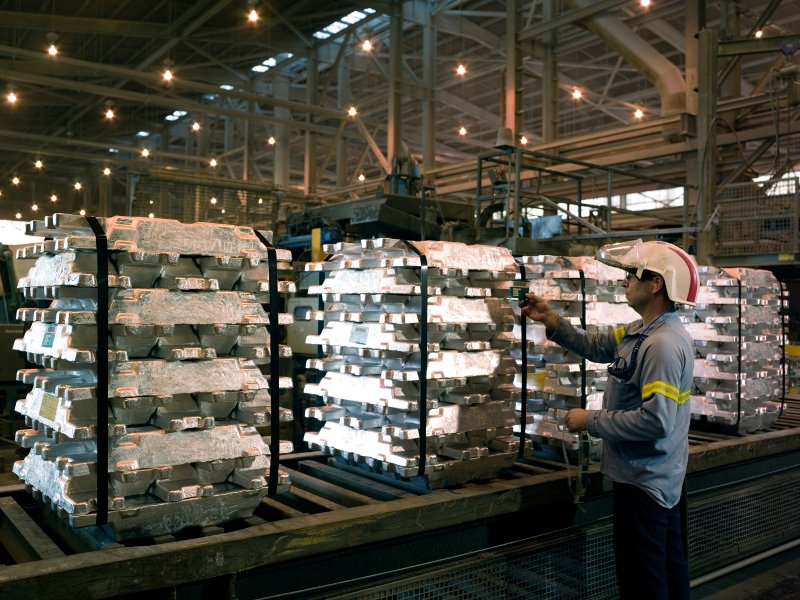
Billet is a semi-finished aluminum product used as feedstock for further forming. While the forming process determines the final geometry, the billet provides the material foundation from which that product is made.
Why Does Billet Quality Matter?
For manufacturers, billet quality is not simply about purchasing the correct alloy number. Important factors include:
- Chemical composition
- Alloy consistency
- Homogeneity
- Surface quality
- Internal quality
- Dimensional consistency
- Homogenization and heat-treatment requirements
These factors can influence processing stability, surface quality, mechanical performance, and consistency between production batches.
The requirements may also differ between extrusion and forging. Even when the same aluminum alloy is used, billet dimensions, processing conditions, and quality specifications need to match the intended application and forming process.
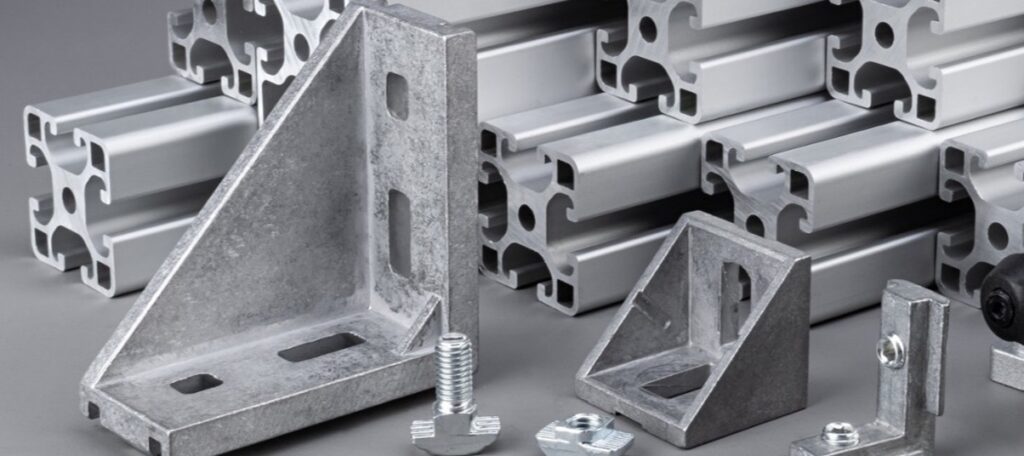
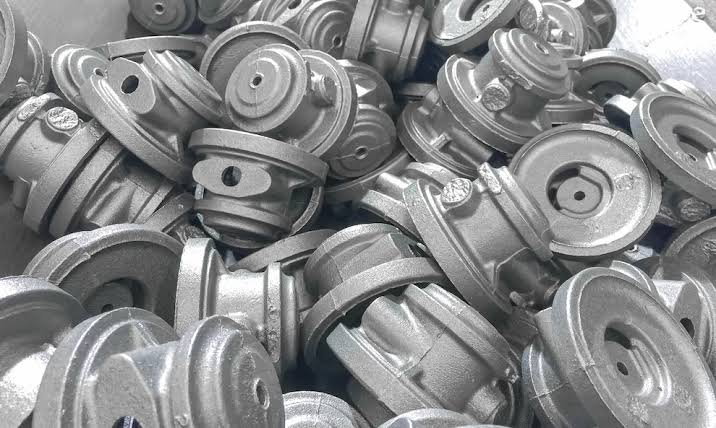
Practical Examples: Extrusion vs. Forging
Example 1: Solar Panel Frame: Extrusion
A solar panel frame typically consists of long aluminum sections with a consistent cross-section. Large production quantities are also common.
Extrusion is the logical choice because it can produce long, repeatable profiles efficiently.
Example 2: Automotive Suspension Component: Forging
An automotive suspension component has a compact and more complex geometry. It must also withstand demanding mechanical conditions.
Forging is more appropriate because it is designed for complex components with demanding mechanical requirements.
Example 3: Industrial Machine Frame: Extrusion
Machine frames often require long structural sections that can be cut and assembled into different configurations.
Extrusion works well because manufacturers can produce long structural profiles and use them in modular designs.
Example 4: High-Load Automotive Component: Forging
For components exposed to high mechanical loads and repeated stress, performance becomes a priority.
Forging can be the better option where strength and fatigue resistance are critical.
How to Choose the Right Aluminum Billet Supplier
Choosing the right forming process is only part of the equation. Manufacturers also need a billet supplier capable of delivering consistent feedstock.
Before selecting a supplier, consider:
- Alloy and chemical composition
- Billet dimensions
- Homogenization
- Quality consistency
- Inspection and certification
- Production capacity
- Delivery reliability
- Recycled or low-carbon aluminum options
A reliable supplier should be able to provide clear specifications and consistent quality from batch to batch, not simply quote a competitive price.
Frequently Asked Questions
What is the difference between aluminum extrusion and forging?
Extrusion pushes aluminum billet through a die to create long, continuous profiles, while forging compresses aluminum under force to produce individual components, often with complex 3D geometries.
Is forged aluminum stronger than extruded aluminum?
Not necessarily in every situation. Mechanical performance depends on the alloy, temper, material flow, heat treatment, and processing conditions. Forging is particularly suitable when high strength and fatigue performance are required.
Is aluminum extrusion cheaper than forging?
Extrusion is often more economical for high-volume production of long profiles, while forging may have higher tooling and processing costs. The overall cost depends on geometry, volume, material utilization, machining, and performance requirements.
Can aluminum billet be used for both extrusion and forging?
Yes. Aluminum billet can serve as feedstock for both processes, although the required alloy, dimensions, quality specifications, and processing conditions may differ.
Which aluminum alloys are commonly used for extrusion?
6000-series alloys such as 6063, 6005A, and 6061 are widely associated with extrusion applications, with the appropriate alloy and temper depending on the required properties.
Which aluminum alloys are commonly used for forging?
Aluminum forging applications can use alloys selected for their required strength, ductility, fatigue performance, and heat-treatment response. The appropriate grade depends on the specific component and operating conditions.
What type of aluminum billet is used for extrusion?
The billet should match the required alloy, dimensions, chemistry, homogenization condition, and quality specifications of the extrusion process and final application.
Extrusion vs. Forging. Which One Should You Choose?
Aluminum extrusion and forging are not competing processes where one is simply better than the other. They solve different manufacturing problems.
Extrusion is generally the better choice for long, consistent profiles, complex cross-sections, high-volume production, and applications where surface appearance matters.
Forging is better suited to compact, complex components where strength, fatigue resistance, and structural performance are critical.
Ultimately, the right decision comes down to geometry, mechanical requirements, production volume, material efficiency, and total manufacturing cost.
And regardless of the forming process, the quality of the aluminum billet remains an important part of the equation.
Looking for Reliable Aluminum Billet Supply?
Minh Dung Aluminum supplies aluminum billet for manufacturers looking for consistent alloy composition, quality control, and reliable supply.
Whether your application involves aluminum extrusion or forging, our team can discuss your required alloy, billet specifications, dimensions, and supply requirements.
Looking for Reliable Aluminum Billet Supplier?
Ms. Mai Tran – Export Sales
📞 WhatsApp: +84 949 000 701
📧 sales2@nhomminhdung.com