In the renewable energy industry, the Solar Aluminum Rail is considered the “backbone” of the entire system. However, many contractors often wonder: why do different projects and customers require unique technical drawings for the same function of supporting solar panels? This article will explain 4 key technical factors and how Minh Dung Holdings helps you realize even the most demanding requirements.
4 Technical factors that require custom Solar Aluminum Rail drawings
The differences in each aluminum profile are not accidental. Every millimeter is changed to optimize performance for specific site conditions.
1. Compatibility with the Clamp System
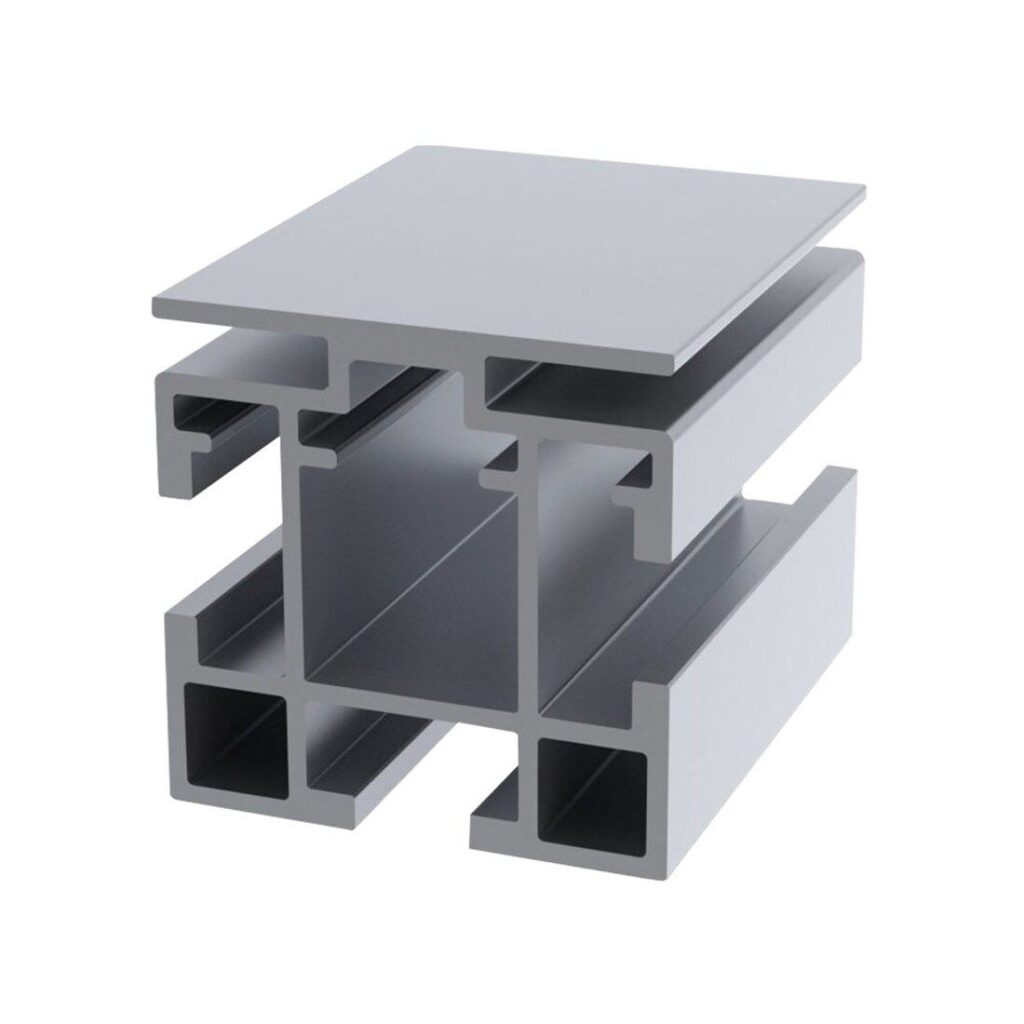
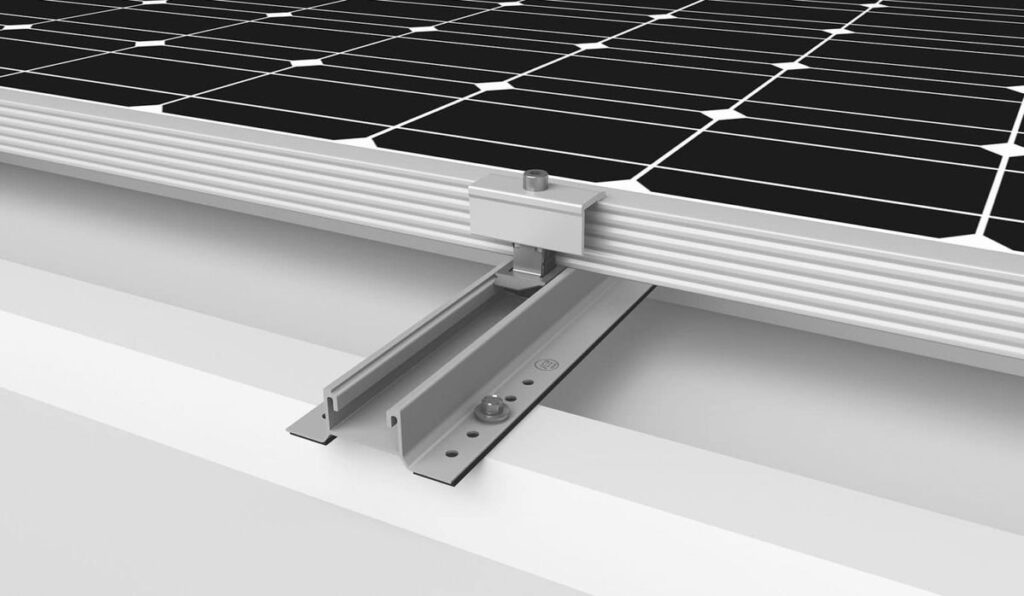
Each manufacturer of end-clamps and mid-clamps in the market has a unique groove design.
- Top Slot: This must be calculated precisely so that the sliders or clamps fit perfectly.
Direct Impact: Even a 1mm misalignment can cause the clamping system to become loose. Customizing this detail ensures absolute vibration resistance and prevents panels from sliding off during high winds—a vital factor for project safety.
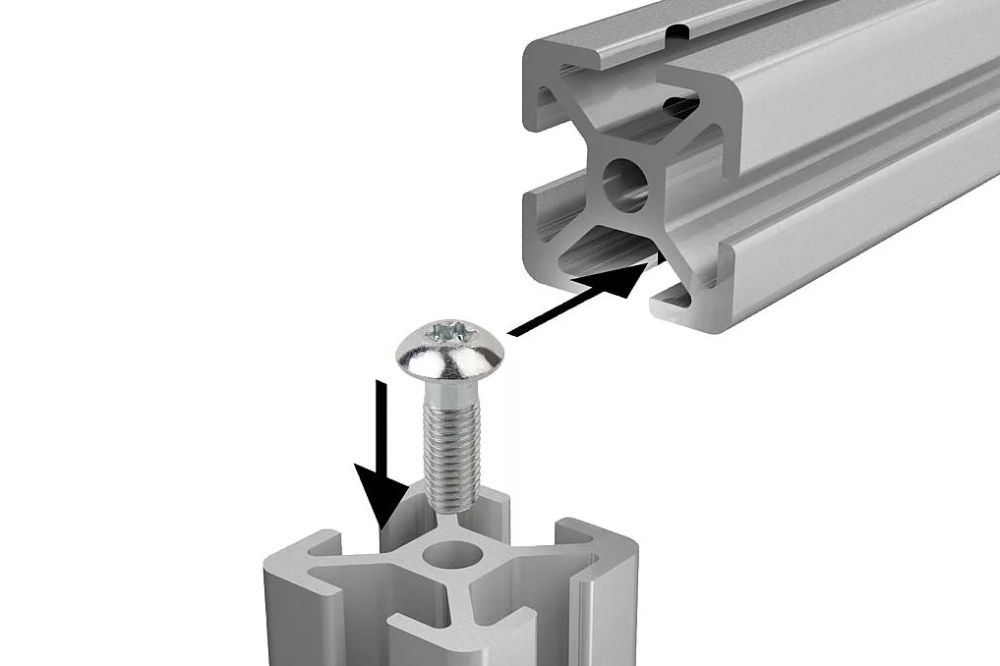
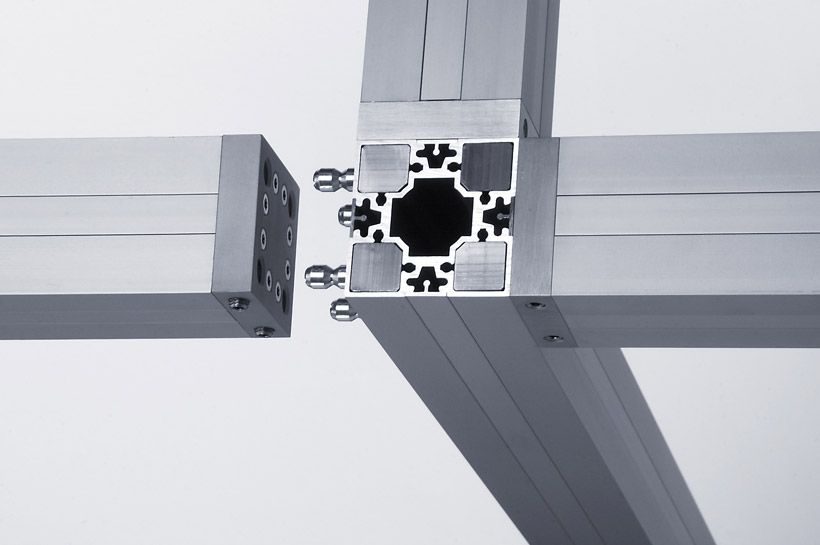
2. Roof Attachment Methods (L-foot vs. Hanger Bolt)
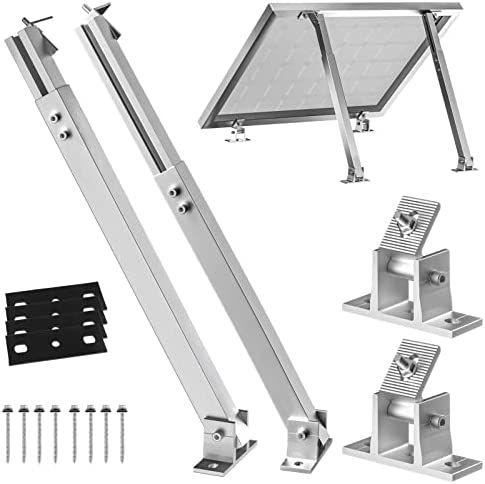
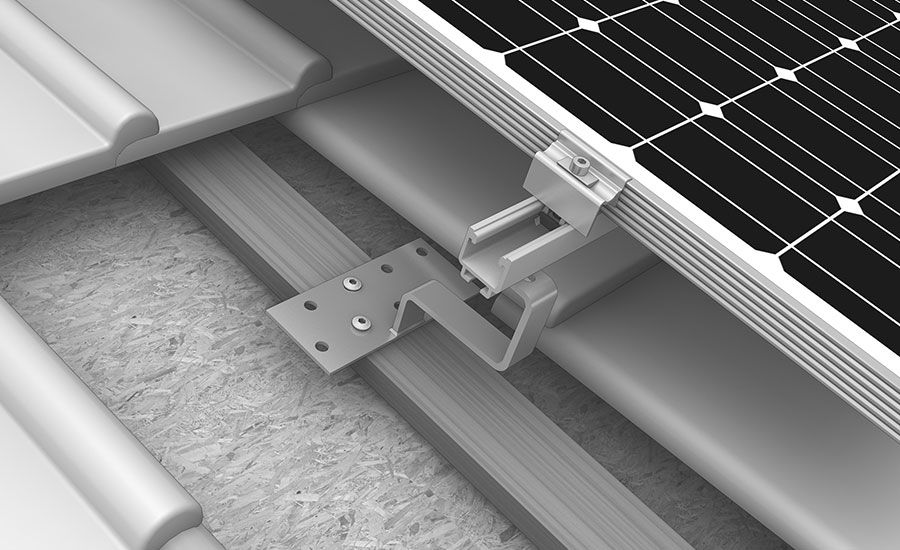
Depending on whether the structure is a metal roof, tile roof, or ground steel frame, the bottom slot of the Solar Aluminum Rail will change:
- For L-foot systems, the slot needs a suitable width for easy bolt sliding.
- For Hanger Bolt systems, the design prioritizes downward compression strength.
Direct Impact: A smart bottom slot design helps engineers install faster and reduces the number of extra bolts and parts, shortening installation time by 20-30%.
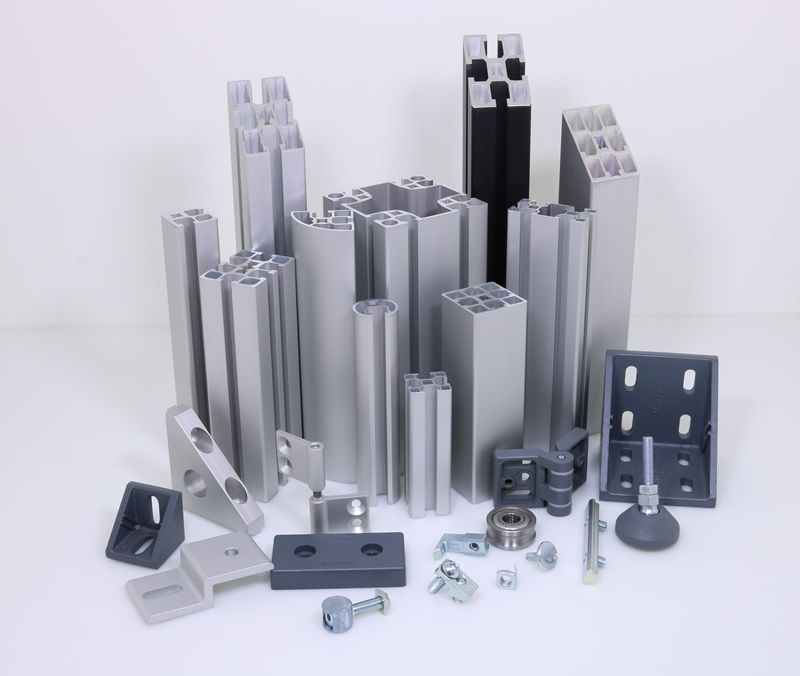
3. Optimizing Load Capacity and Weight (Weight vs. Strength)
This is a tough economic and technical challenge for contractors.
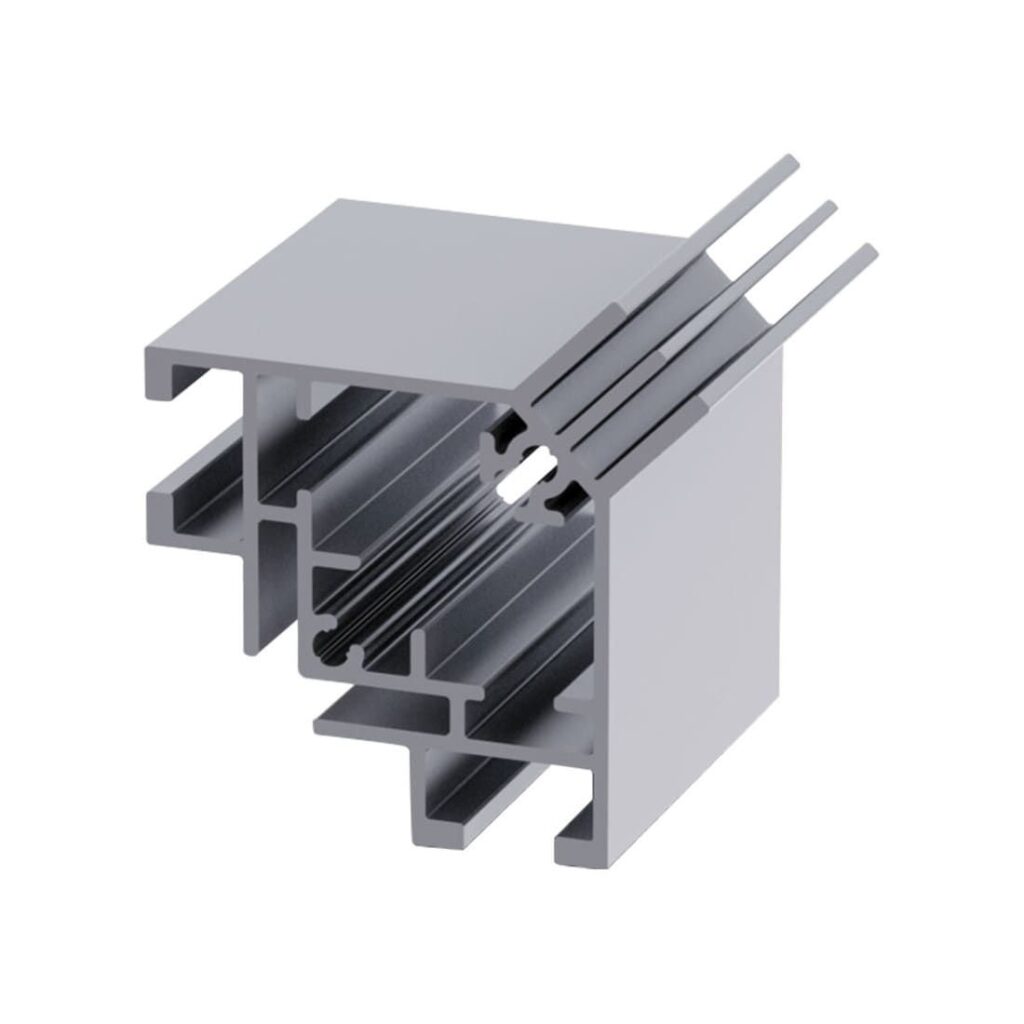
- In high-wind areas: Drawings require thicker reinforcement ribs at load-bearing corners to resist strong wind gusts.
- In low-wind areas: Engineers may request a thinner wall to reduce the weight of the Solar Aluminum Rail.
Direct Impact: This optimization helps reduce aluminum costs per Watt-peak (Wp) while still ensuring structural safety according to international standards.
4. Drainage and Thermal Expansion Solutions
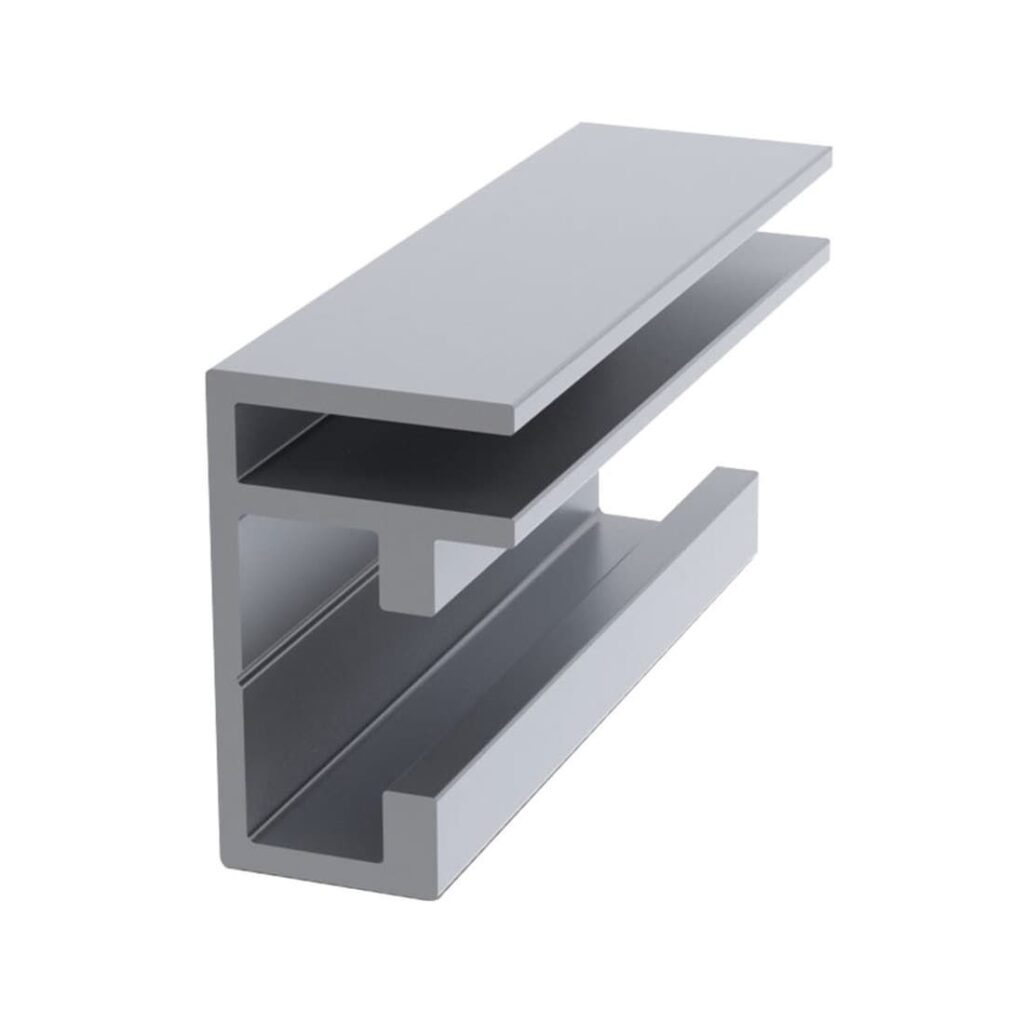
Few people notice that small serrated details or minor grooves on the rail surface play a very important role:
- Anti-slip and Drainage: These help rainwater flow away quickly, preventing point oxidation at the clamp locations.
- Thermal Expansion: Aluminum expands significantly with heat. Small grooves help the rail “breathe” better during 20-25 years of continuous sun exposure.
Direct Impact: This protects solar panels from mechanical stress caused by temperature changes, extending the lifespan of the entire system.
Why do customers always want an “exclusive” drawing?
Beyond technical reasons, requesting a custom Solar Aluminum Rail drawing also comes from specific operational strategies:
- Terrain-specific installation solutions: Each roof type (corrugated metal, tile, or ground mount) requires different connection methods. Some companies need rails with integrated cable management slots for aesthetics and UV protection, while others prefer “Mini-rails” to save space on metal roofs.
- Branding and Design Patents (R&D): Large EPC units often develop their own “optimized frame system” for their workers. They need specific details like anti-slip teeth or unique drainage channels to differentiate themselves and confirm their quality in the market.
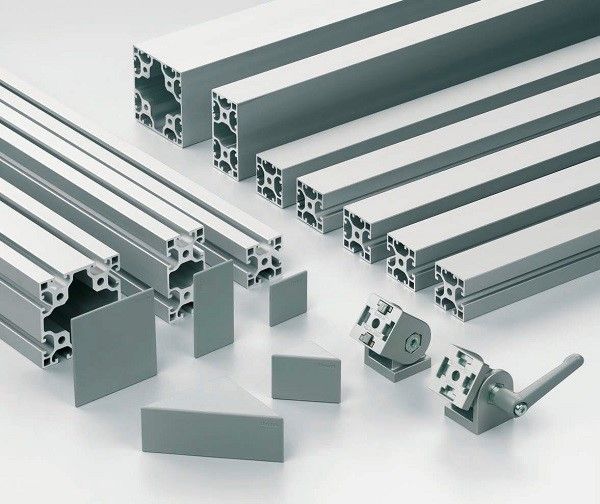
Minh Dung Holdings – our Aluminum Profile Partner
The Vietnamese market demands flexibility and speed. Understanding this, Minh Dung Holdings has established itself as a leading unit in connecting and meeting the strictest requirements for Solar Aluminum Rail.
Are you having a unique rail design for your upcoming project? Do not hesitate to contact Minh Dung Holdings. We are always ready to listen and connect to provide the most optimal aluminum profile solutions for every customer requirement in the Vietnam market.
Contact: Mr. Kevin Nguyen
Hotline/WhatsApp: +84 373 486 719