Many engineers and buyers face a common dilemma. They need to pick between 6061 and 6063 aluminum billet. These two alloys come from the reliable 6000 series. At first, they seem quite similar. However, key differences affect performance. For example, one provides more strength for heavy-duty tasks. In contrast, the other delivers better finishes for visible applications.
This guide breaks it all down clearly. First, we examine chemical composition. Next, we compare properties. Then, we look at typical uses. Finally, we review pros and cons. By the end, you will know which option fits your needs best.
Chemical Composition
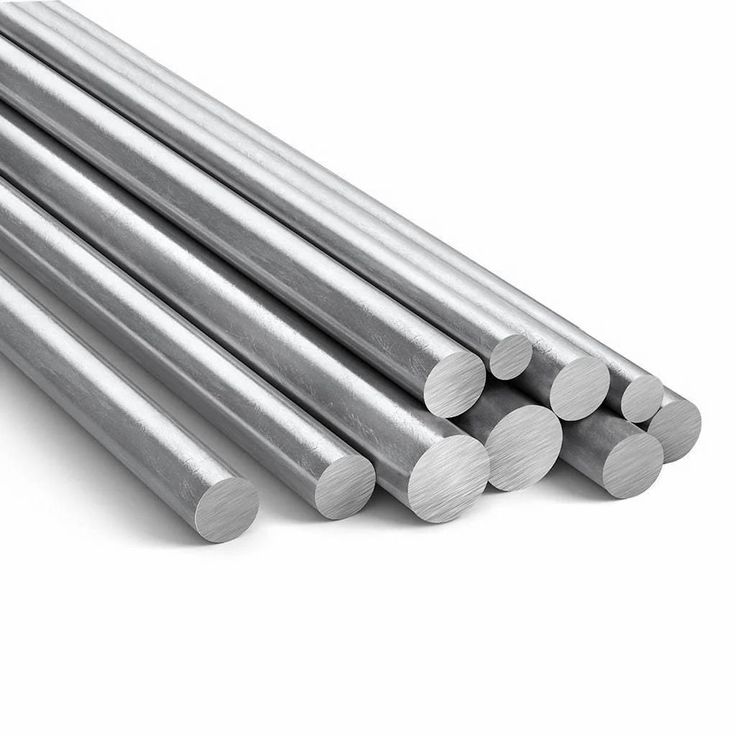
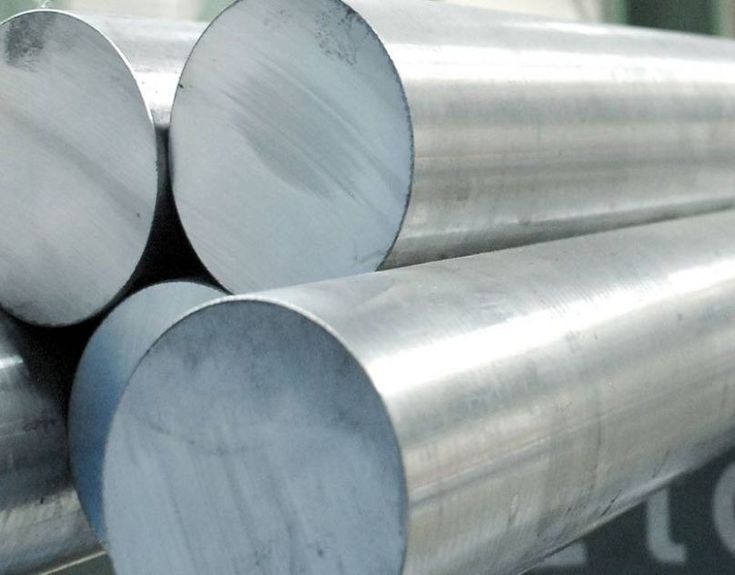
Both alloys rely on magnesium and silicon for their core traits. Yet, the proportions differ. These small changes lead to big impacts on strength and processing.
| Element | 6061 (%) | 6063 (%) |
|---|---|---|
| Aluminum (Al) | 95.8 – 98.6 | 97.5 – 99.4 |
| Magnesium (Mg) | 0.8 – 1.2 | 0.45 – 0.9 |
| Silicon (Si) | 0.4 – 0.8 | 0.2 – 0.6 |
| Copper (Cu) | 0.15 – 0.4 | ≤ 0.1 |
| Iron (Fe) | ≤ 0.7 | ≤ 0.35 |
| Chromium (Cr) | 0.04 – 0.35 | ≤ 0.1 |
| Zinc (Zn) | ≤ 0.25 | ≤ 0.1 |
| Manganese (Mn) | ≤ 0.15 | ≤ 0.1 |
To explain further, 6061 includes higher magnesium and copper. Therefore, it gains extra strength. Meanwhile, 6063 keeps impurities low. As a result, it extrudes more easily. Additionally, it produces smoother surfaces.
Key Properties Compared (T6 Temper)
Here are the main values in the popular T6 heat-treated state. This treatment boosts strength for everyday use.
| Property | 6061 | 6063 |
|---|---|---|
| Tensile Strength | 310 MPa | 241 MPa |
| Yield Strength | 276 MPa | 214 MPa |
| Brinell Hardness | 95 | 73 |
| Corrosion Resistance | Good | Very Good |
| Extrudability & Anodizing | Average | Excellent |
| Thermal Conductivity | Good | Very Good |
In essence, 6061 stands out for strength. So, it handles tough loads well. On the other hand, 6063 excels in forming and finishing. Because of this, it suits decorative parts perfectly.
Common Applications
6061 shines in demanding roles. Builders and manufacturers select it when durability matters most:

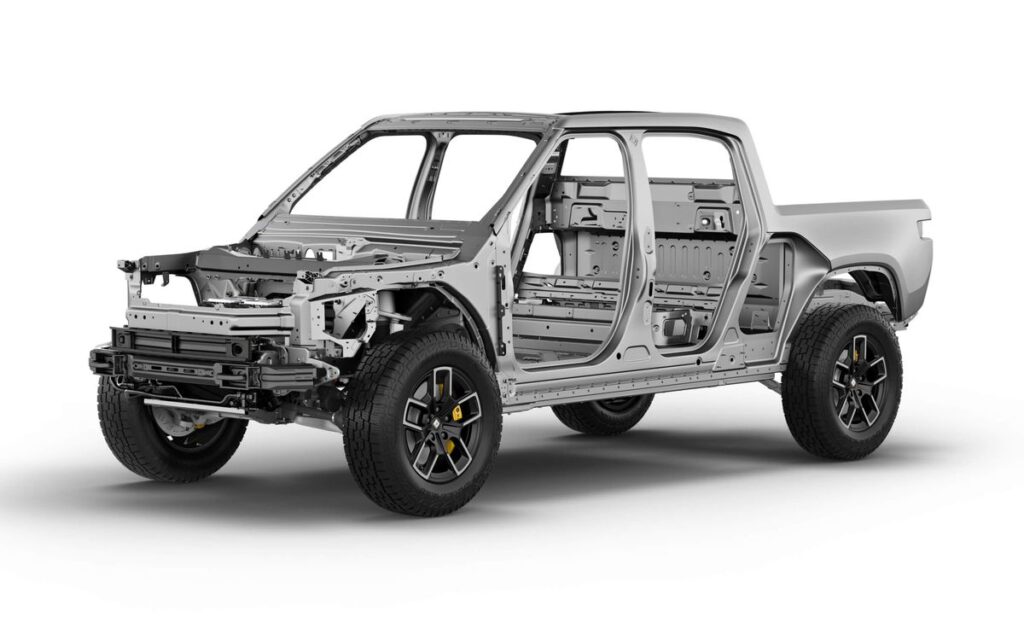
- Aircraft frames and parts.
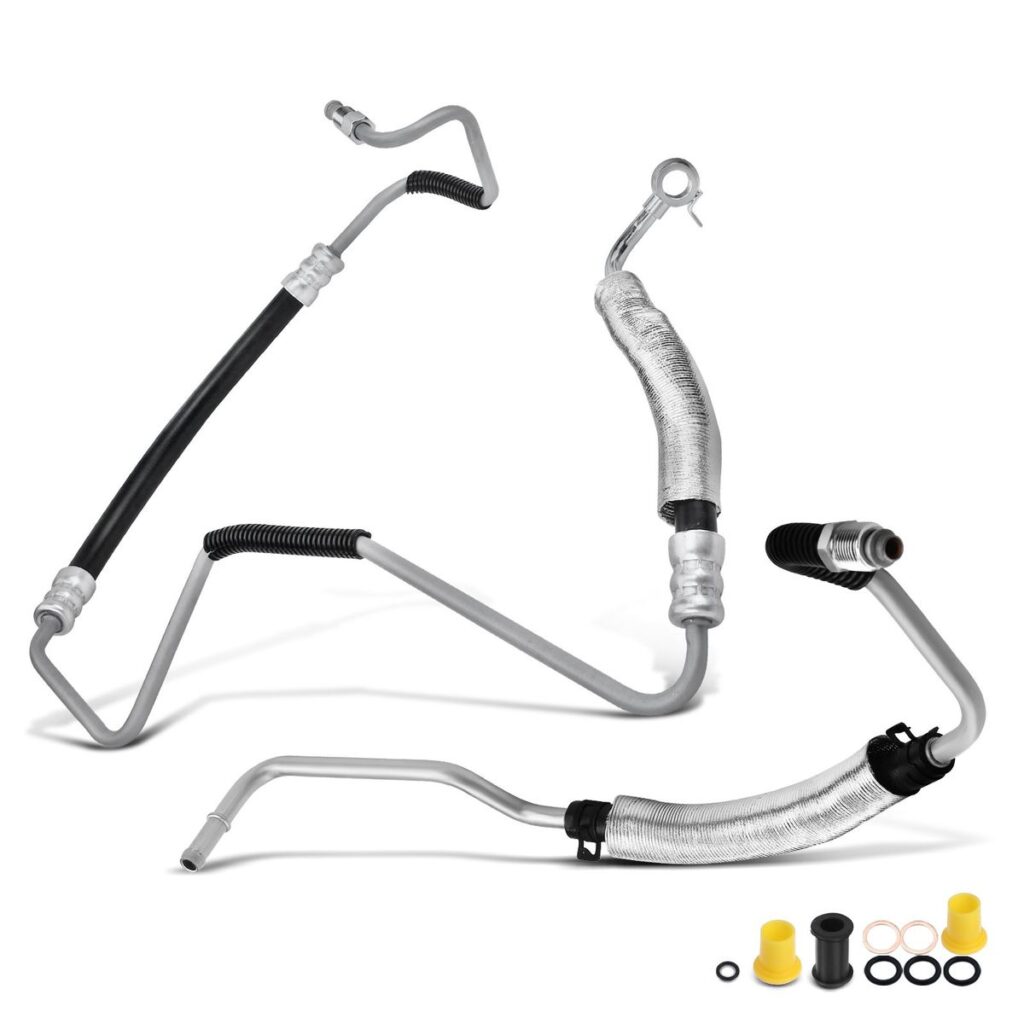
- Truck frames and automotive components.
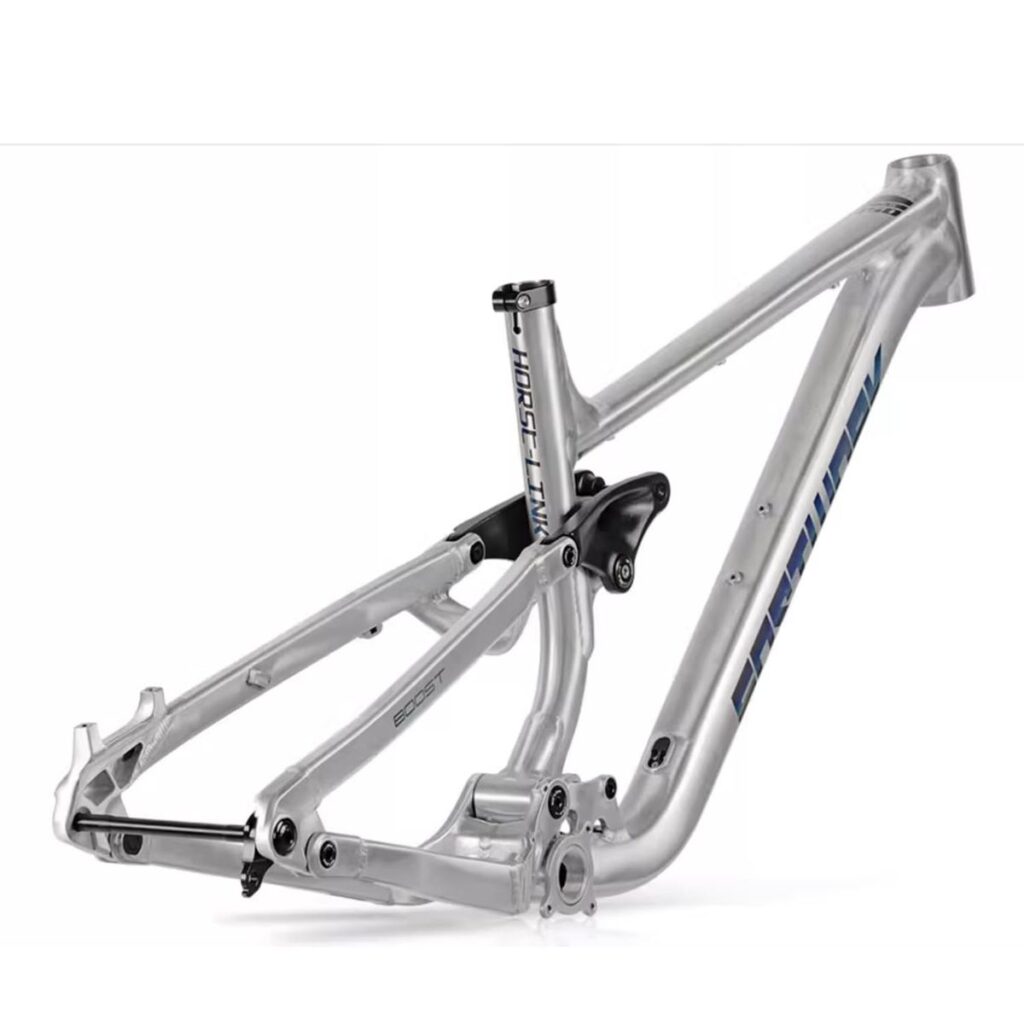
- Mountain bike frames.
- Machinery and heavy structures.
- Pressure pipes or sports gear.
6063 dominates aesthetic projects. Designers favor it for clean looks and easy shaping:
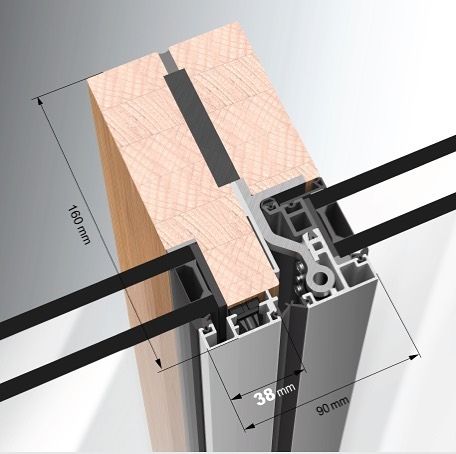
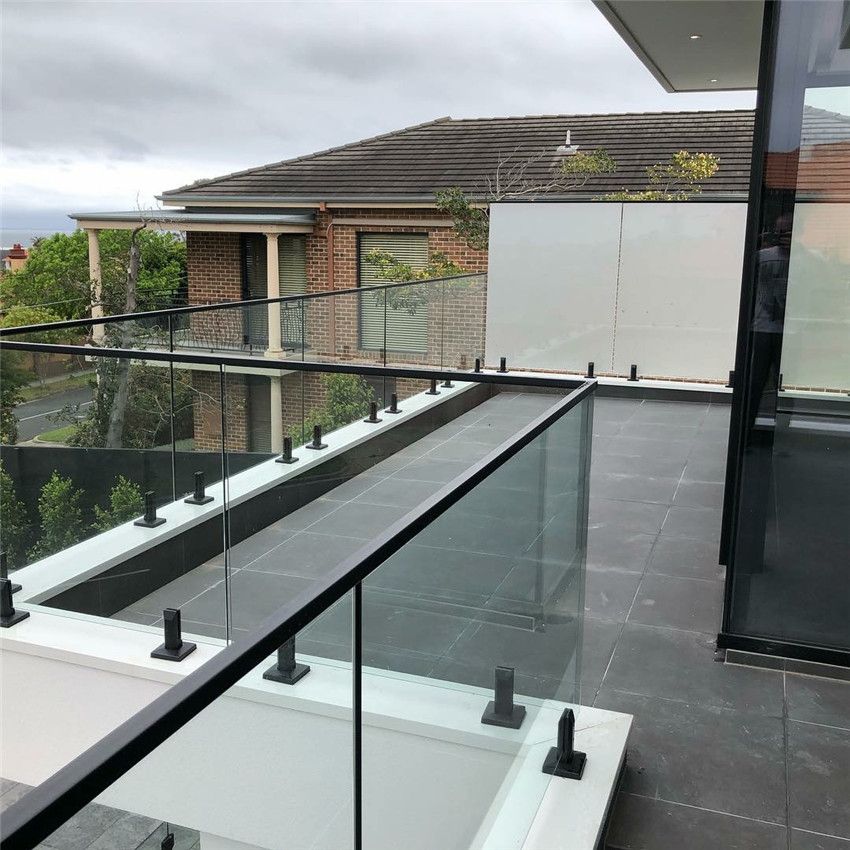
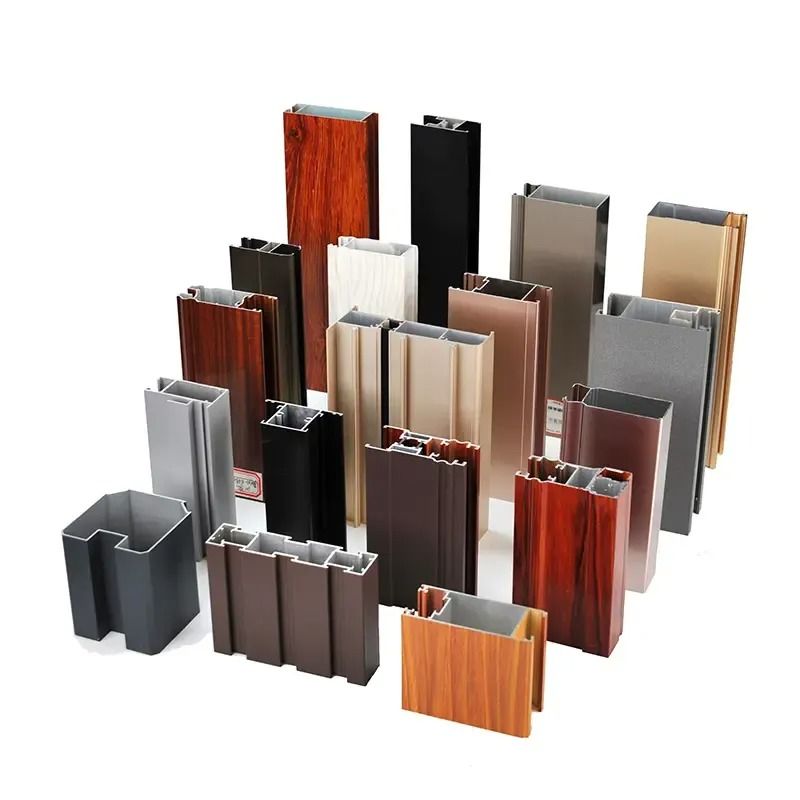
- Window and door frames.
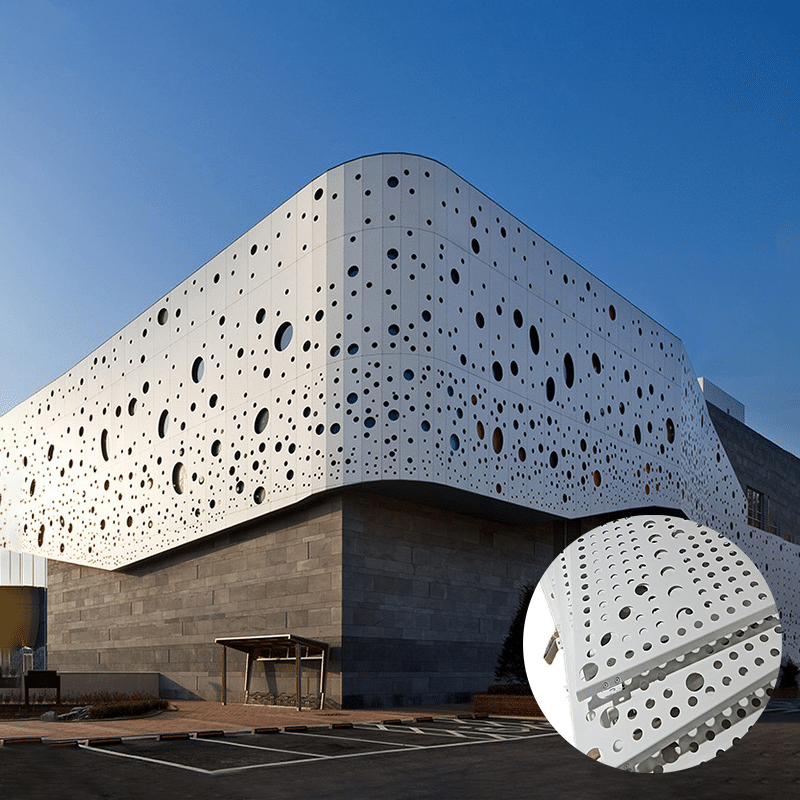
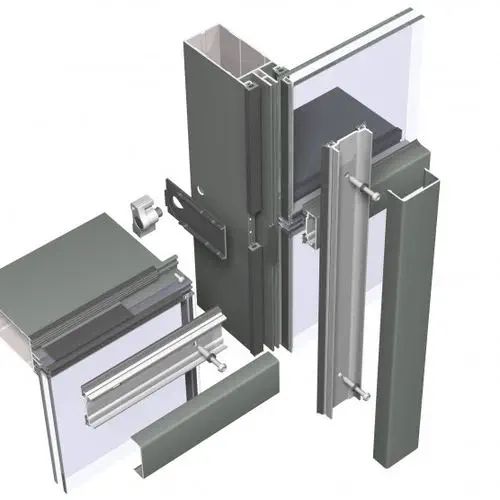
- Building curtain walls.
- Railings and handrails.
- Furniture or interior elements.
- Heatsinks and simple tubing.
Pros and Cons
| Alloy | Main Advantages | Key Disadvantages |
|---|---|---|
| 6061 | Higher strength, excellent for loads, welds well | Tougher to extrude, needs surface treatment, higher price |
| 6063 | Easy forming, superior finish, strong corrosion protection | Less strength, avoids extreme structural demands |
Conclusion
Overall, both alloys perform solidly in the 6000 series. However, choose 6061 for power and toughness. Select 6063 for beauty and simplicity instead.
Minh Dung Holding offers high-quality aluminum billets. We stock both 6061 and 6063 grades. Every batch meets strict international standards. Plus, we provide full traceability and reliable supply.
Want a fast quote or helpful advice? Contact us today:
Kevin Nguyen
Phone: +84 373 486 719
Minh Dung Holding – Your go-to source for premium aluminum materials!