Overview: What are aluminum ingots and why the distinction matters
Aluminum ingots are cast blocks of aluminum used as feedstock for downstream manufacturing such as remelting, die casting, rolling, drawing, or extrusion. In practice, ingots are commonly grouped into primary (virgin aluminum) and secondary (recycled aluminum). Therefore, understanding the difference helps you select the right material based on quality targets, cost, and risk tolerance.
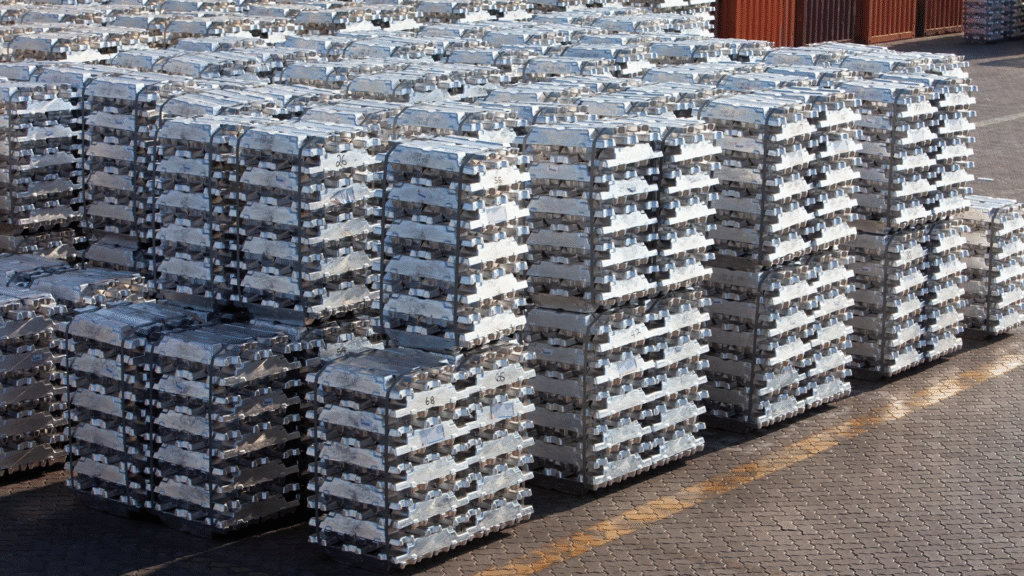
Primary aluminum ingot: pros and cons
Primary aluminum ingot is produced from mined resources (bauxite → alumina → electrolysis), which typically results in higher purity and tighter consistency.
Pros
- High purity and stable chemistry, easier to control from batch to batch.
- Lower impurity risk, supporting demanding technical requirements.
- Lower production risk for applications where defects can cause significant losses.
Cons
- Usually higher cost due to energy-intensive production.
- Carbon footprint may be higher, depending on power source and supply chain.
Secondary aluminum ingot: pros and cons
Secondary aluminum ingot is produced by recycling aluminum scrap and then refining and adjusting the melt chemistry to meet specifications.
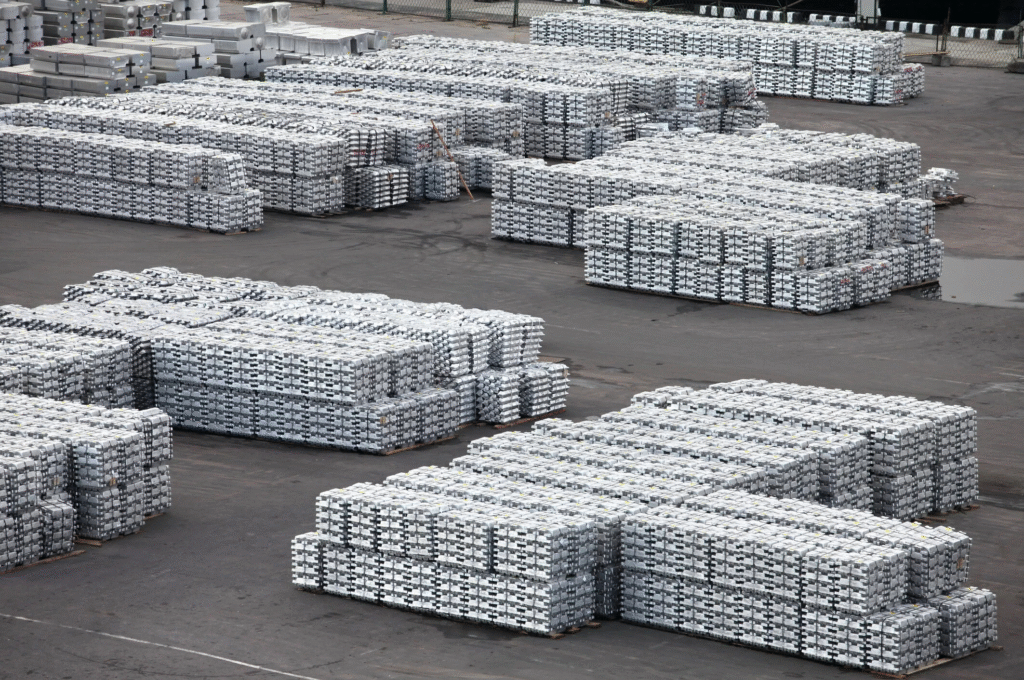
Pros
- More cost-competitive, especially with stable scrap supply.
- More sustainable, since recycling typically uses far less energy than producing primary aluminum.
- Well-suited for high-volume production where ultra-high purity is not critical.
Cons
- Chemistry can vary if scrap sorting and melt control are not rigorous.
- Higher impurity risk (e.g., Fe, Si, Cu), which can impact mechanical properties, machinability, and surface quality.
- Requires strong QC systems (chemistry testing, melt adjustment, and clear COA documentation) to ensure consistency.
When to use primary vs secondary
A practical way to decide is to match the ingot type to your technical requirements and acceptable risk level.
Choose primary when:
- You need tight chemistry control and high consistency.
- Your process or product is sensitive to impurities.
- You prioritize lower defect risk and more predictable performance.
Choose secondary when:
- You prioritize cost efficiency and can accept broader ranges within spec.
- Sustainability (ESG) and recycled content are important to your customers.
- Your supplier can guarantee consistent chemistry, impurity limits, and traceability with reliable COA support.
In short, primary is often the safer option for stringent requirements, while secondary can be an excellent choice for cost and sustainability—provided quality is controlled.
In Minh Dung Holdings, We offer:
At Minh Dũng holdings, we offer reliable aluminum ingot sourcing solutions for both primary and secondary aluminum ingots, supported by clear specifications, consistent quality control, and COA documentation—helping you balance performance, cost, and sustainability.