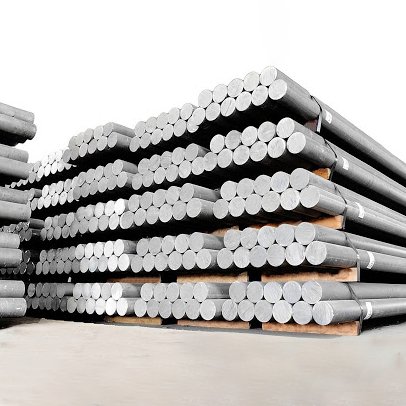
An aluminum billet is a solid, cylinder block of aluminum alloy, the most popular is alloy series 6xxxx such as 6063, 6061, 6060, 6005, ….. It is created by melting aluminum scraps or primary aluminum with elements like magnesium or silicon and casting it into uniform long cylinder bar with various diameter from 4-14inch. Billets are primarily used in metal extrusion and CNC machining to build strong, precise parts…
Due to its benefit and huge demand, the aluminum billet is one of the popular raw aluminum materials for various industry, and leading by some manufacturer and exporter. The below is the top aluminum billet supplier/exporter in the world.
While major aluminum-producing countries have traditionally dominated global trade, Vietnam is becoming an increasingly competitive destination for aluminum billet sourcing. Strong manufacturing capabilities, access to recycled aluminum, improving production technology, and strategic trade agreements are helping Vietnam strengthen its position in the international aluminum supply chain.
Top Aluminum Exporting country
To become the leader in Aluminum producer, the country or company should have the advantage in the aluminum production, some factor like: The bauxit ore deposits, energy availablity & cost, production technology, scale of production. Which is not the same between country, therefore there will be the leader in aluminum production.s
1/ UAE
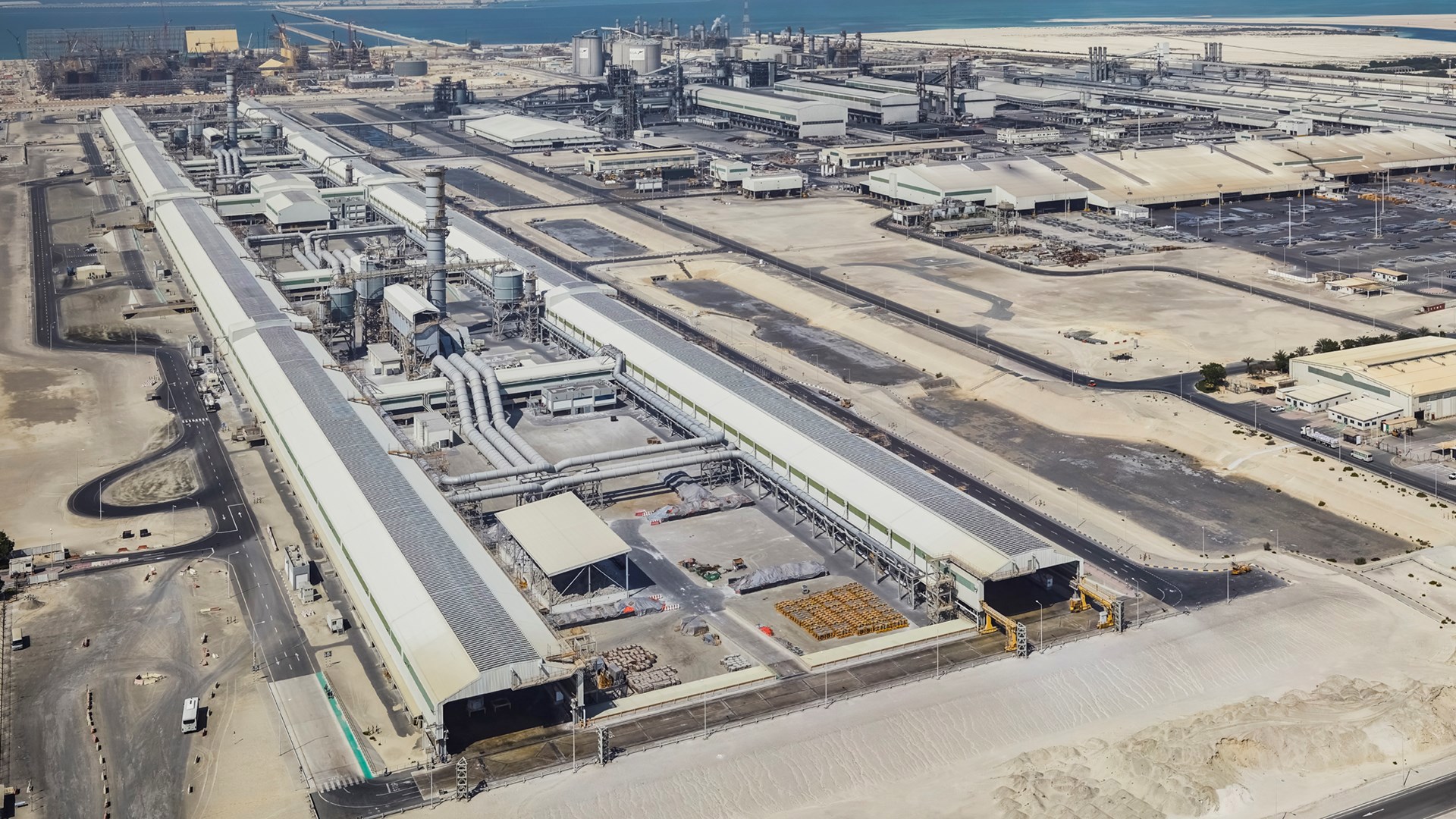
The United Arab Emirates has developed into one of the world’s important aluminum-producing and exporting countries, with Emirates Global Aluminium (EGA) as its leading producer. EGA operates major aluminum smelters at Jebel Ali in Dubai and Al Taweelah in Abu Dhabi, supported by an integrated supply chain that includes alumina refining, primary aluminum production, casting, and recycling. The UAE’s major competitive advantage comes from its strong energy infrastructure, large-scale industrial production, and strategic position in the Gulf region. Its location also provides excellent access to international shipping routes, while Jebel Ali Port serves as one of the major logistics and transshipment hubs connecting the Middle East with Asia, Europe, Africa, and other global markets. The combination of competitive energy, large production capacity, modern infrastructure, and logistics makes the UAE a strong export-oriented aluminum hub.
2/ Norway
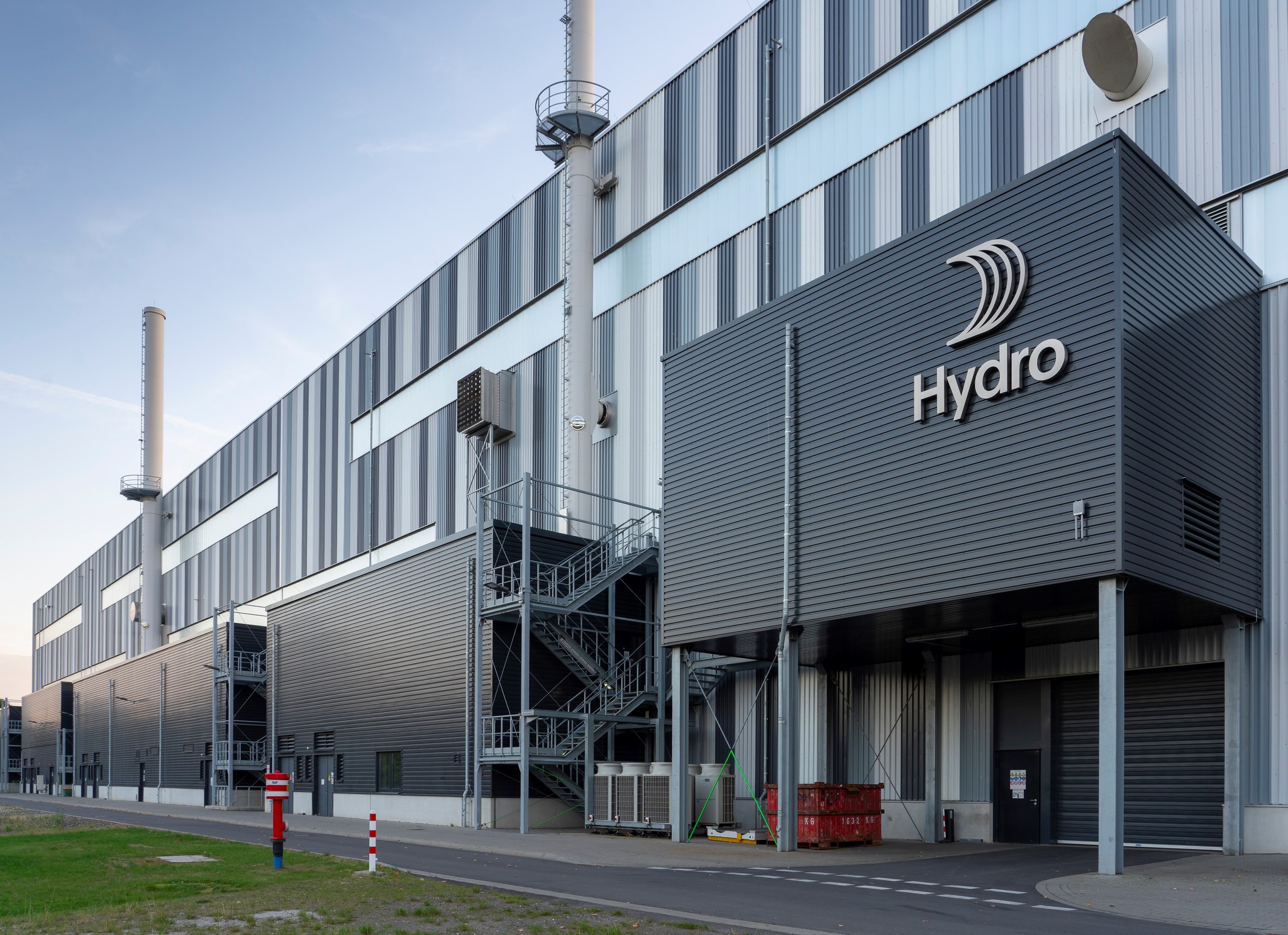
Norway’s aluminum industry is built around one of its most important natural advantages: abundant hydropower. Since aluminum smelting requires a very large amount of electricity, access to reliable and relatively low-carbon electricity gives Norway a significant competitive advantage. Norsk Hydro is the country’s leading aluminum producer, operating major primary aluminum plants including Sunndal, Karmøy, Årdal, and Høyanger. Alcoa also operates aluminum facilities in Norway, including Lista and Mosjøen. Norway’s aluminum industry benefits not only from renewable electricity but also from advanced production technology, strong engineering expertise, well-developed infrastructure, and close access to European customers. As European manufacturers increasingly focus on reducing the carbon footprint of their products, Norway’s hydropower-based aluminum production gives the country an increasingly attractive position in the market for low-carbon aluminum.
3/ Australia
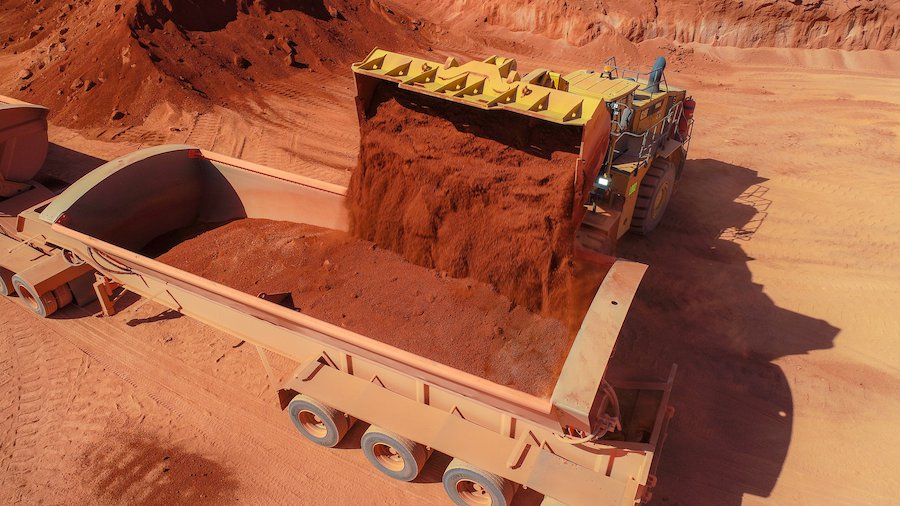
Australia is one of the world’s most important countries for bauxite resources and production, giving it a strong position at the upstream end of the aluminum value chain. The country has developed a sophisticated mining and minerals-processing industry covering bauxite mining, alumina refining, and primary aluminum production. Major companies operating in Australia’s aluminum industry include Rio Tinto and Alcoa, with primary aluminum smelters such as Bell Bay, Boyne Island, Portland, and Tomago forming an important part of the country’s production base. Australia’s extensive experience in mining, established industrial infrastructure, and proximity to major Asian markets provide additional advantages. As a result, Australia plays an important role in the global aluminum supply chain, particularly in the movement of bauxite, alumina, and primary aluminum from Australia to international markets.
4/ China
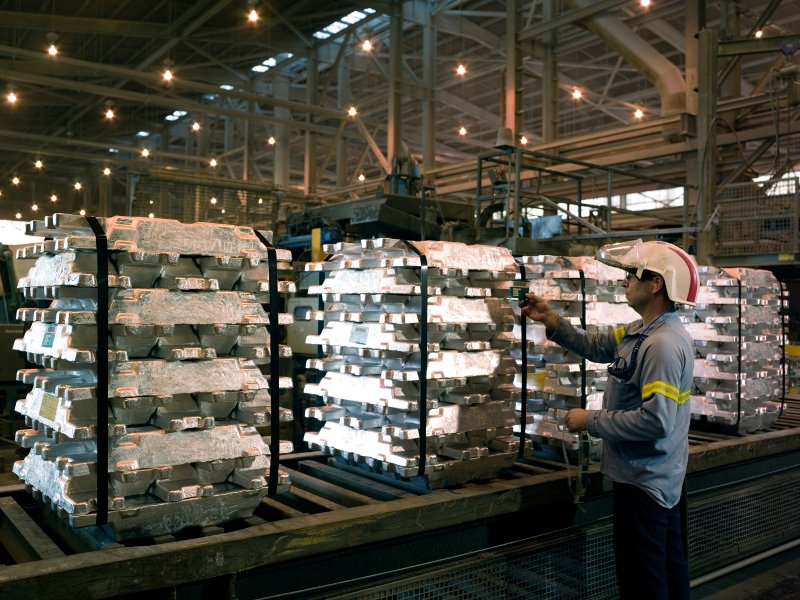
China is the dominant country in the global aluminum industry, with its strength coming from a combination of massive production scale, technology, infrastructure, supply-chain integration, and domestic demand. Major producers such as China Hongqiao Group, Aluminum Corporation of China (CHALCO), and Yunnan Aluminum operate across different stages of the aluminum value chain. China’s highly developed industrial ecosystem connects raw materials, alumina refining, primary aluminum smelting, billet casting, extrusion, fabrication, and finished products. The enormous scale of China’s aluminum industry creates significant economies of scale and allows producers to spread production and infrastructure costs across very large volumes. In addition, China’s huge domestic market generates strong demand from construction, automotive, transportation, renewable energy, electronics, and industrial manufacturing. This integrated ecosystem has made China the world’s largest aluminum producer and one of the most influential countries in the global aluminum market.
5/ Vietnam
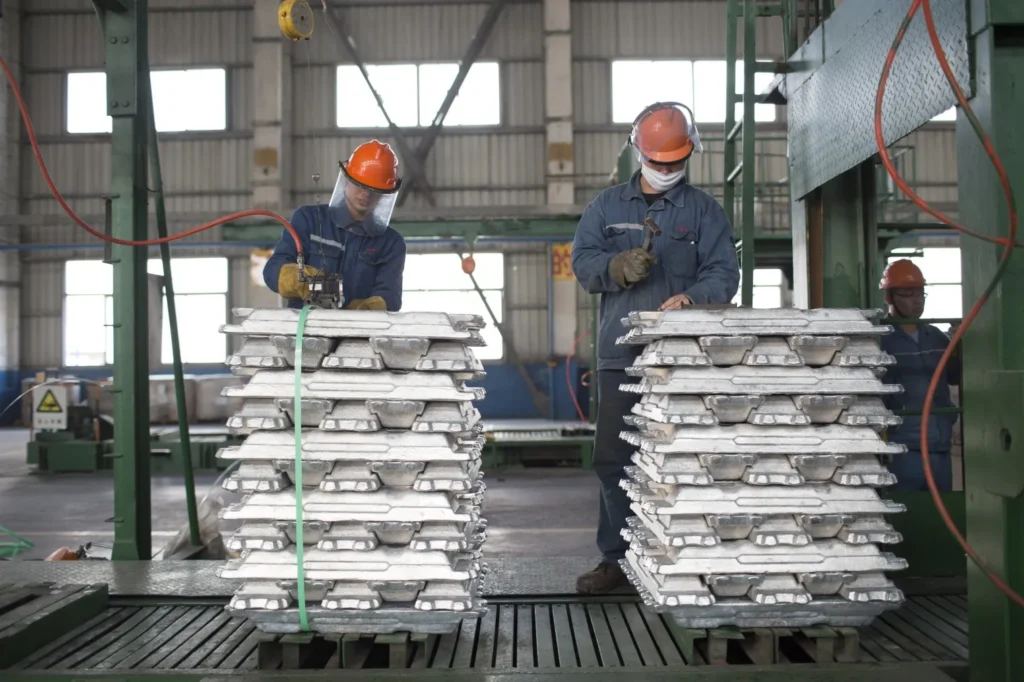
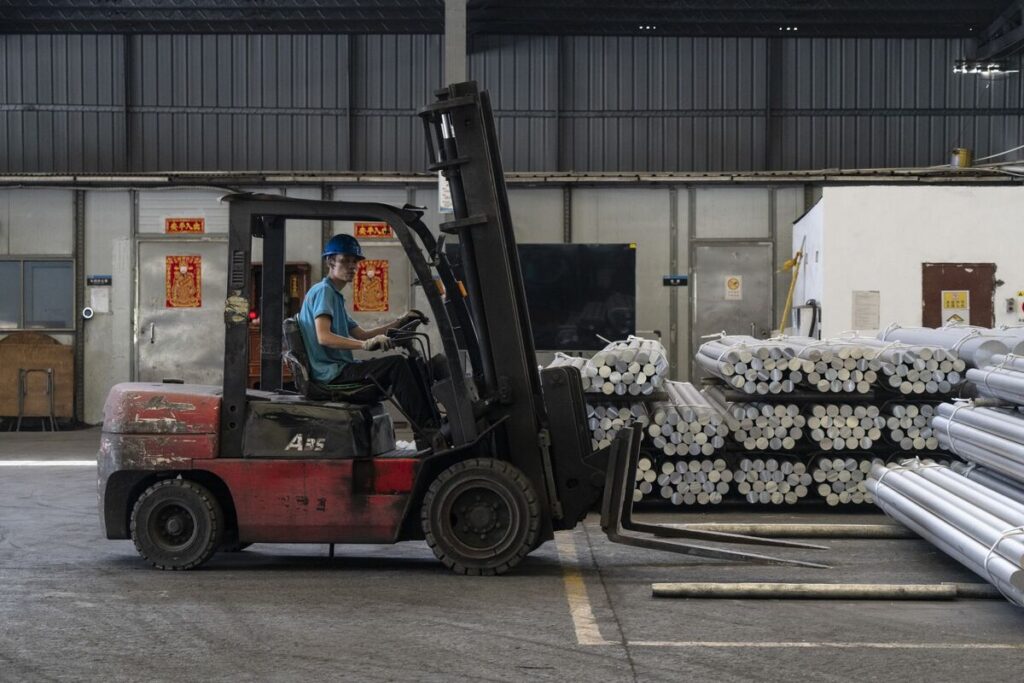
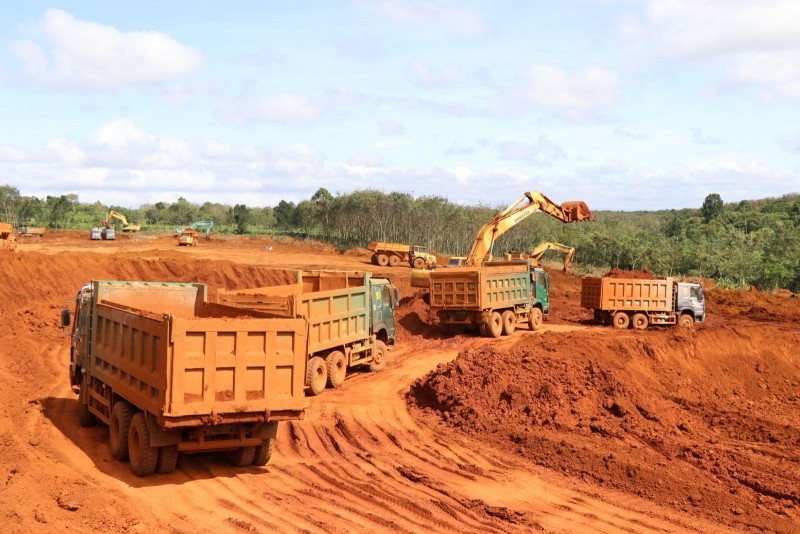
Vietnam is an increasingly important country to watch in the global aluminum industry. One of its most significant advantages is its large bauxite resource base, particularly in the Central Highlands, top 3 bauxite volume in the world. Vietnam has been developing its upstream alumina industry while simultaneously building a larger downstream aluminum manufacturing ecosystem. In July 2026, Vietnam has officially produced Primary Aluminum Ingot for the first time in the first aluminum electrolysis factory, open the new chapter for the Vietnam Aluminum Industry. Companies and organizations such as Minh Dung Aluminum operate further downstream in aluminum billet and extrusion production. This creates the foundation for a more integrated domestic aluminum value chain, potentially moving from bauxite and alumina to primary aluminum ingot, billet, extrusion, and finished aluminum products.
Another important advantage for Vietnam is its strategic geographical location. Located in Southeast Asia with a long coastline along the East Sea, Vietnam has access to major international maritime routes and a growing network of ports. This provides Vietnamese aluminum manufacturers with relatively convenient access to important markets in Asia, Europe, the Middle East, and North America. Vietnam’s location also makes it attractive for international buyers seeking to diversify their supply chains away from traditional aluminum-producing markets.
Why Vietnam wil become the leading exporter
Vietnam has the potential to become one of the world’s important aluminum exporting countries because it combines several advantages that are rarely available in a single market: Top 3 bauxite resources, primary aluminum production is finished, a growing downstream manufacturing industry, strategic access to international shipping routes, competitive manufacturing costs, recycled aluminum potential, and an extensive network of free trade agreements. More importantly, Vietnam is now moving from being primarily a downstream aluminum processing market toward developing a more complete domestic aluminum value chain.
Vietnam Has One of the World’s Largest Bauxite Resource Bases
One of Vietnam’s most important long-term advantages is its substantial bauxite resource base, concentrated mainly in the Central Highlands. Current estimates cited by Vietnamese authorities put the country’s bauxite resources at around 5.8 billion tonnes, providing a significant raw-material foundation for the development of the domestic aluminum industry.
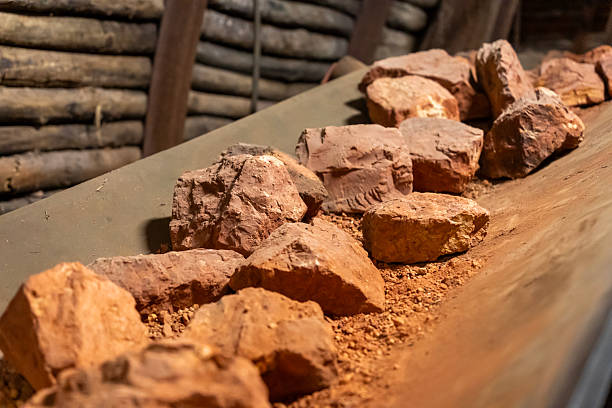
Bauxite itself is not enough to make a country a major aluminum exporter, but it gives Vietnam an important starting point. If the country can continue developing the processing chain from bauxite to alumina and then to primary aluminum, more of the value created from this natural resource can remain within Vietnam rather than being exported at an earlier stage.
Vietnam Has Now Entered Primary Aluminum Production
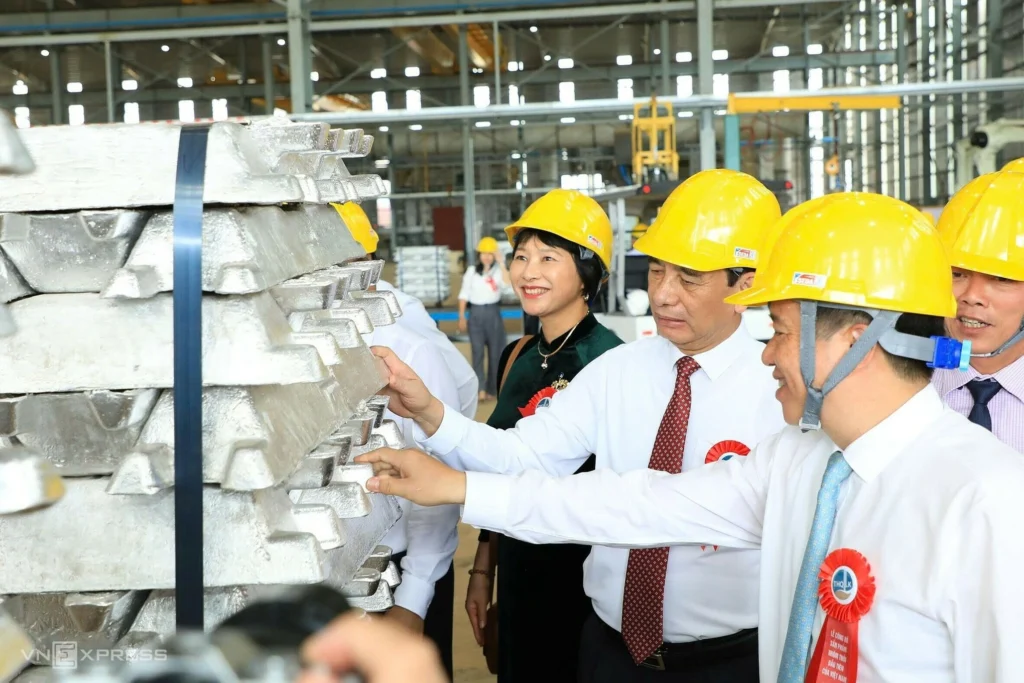
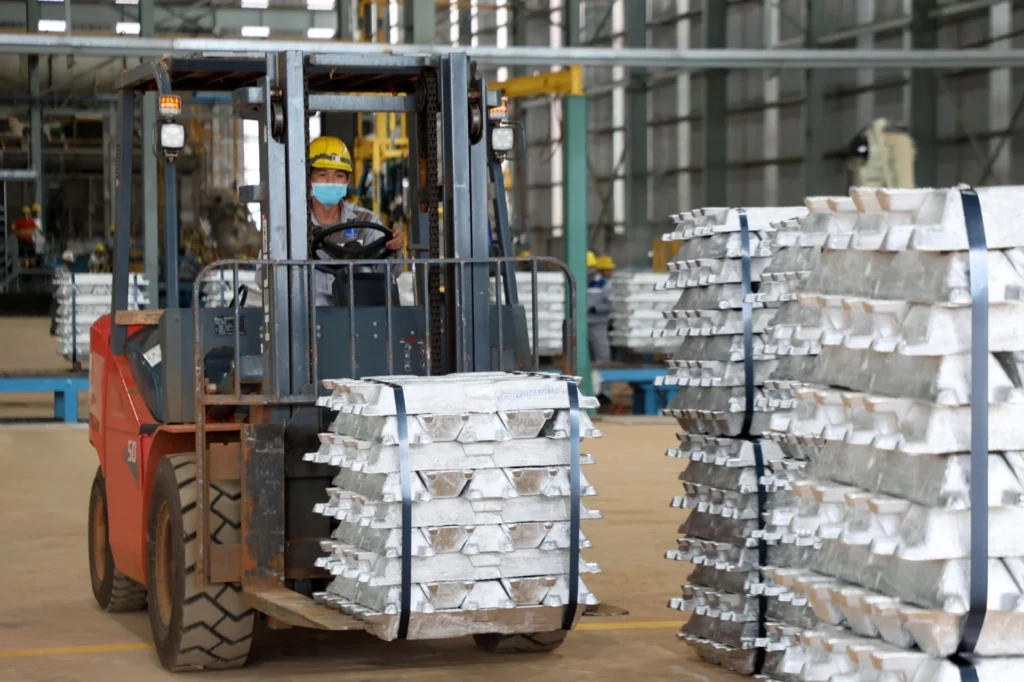
This is potentially the biggest turning point for Vietnam’s aluminum industry. In July 2026, Vietnam officially unveiled its first domestically produced aluminum ingot, marking the completion of the country’s bauxite–alumina–aluminum production chain. The Dak Nong Aluminum Electrolysis Plant began its first phase with a capacity of 150,000 tonnes per year, with the second phase planned to increase capacity to 300,000 tonnes per year and the final phase targeting 450,000 tonnes per year by Q1 2027.
This changes the structure of Vietnam’s aluminum industry. Instead of relying primarily on imported primary aluminum for downstream manufacturing, Vietnam is beginning to establish domestic sources of aluminum metal that can feed billet casting, extrusion, fabrication, and other downstream industries.
In other words, Vietnam is moving closer to the complete value chain:
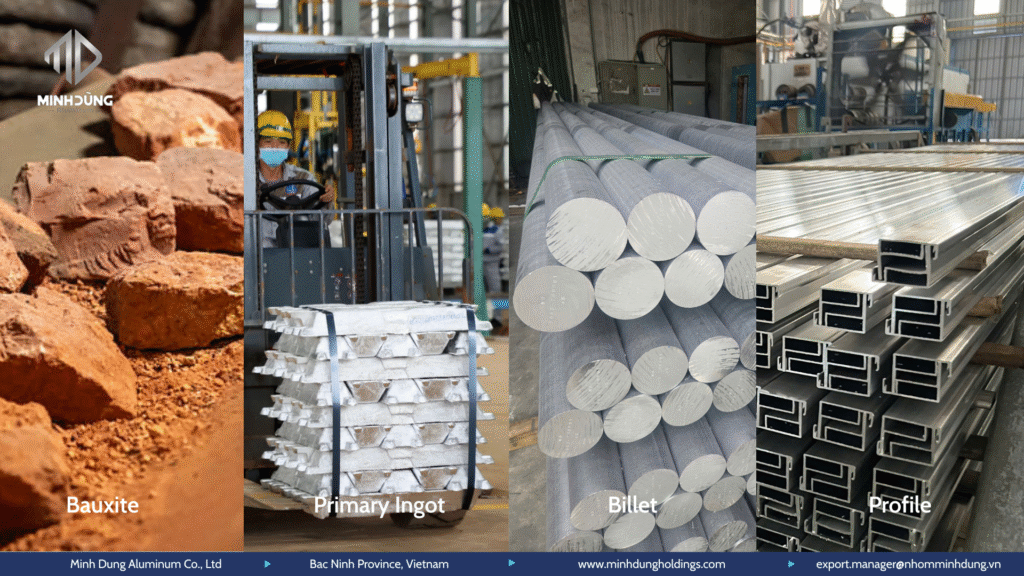
Bauxite → Alumina → Primary Aluminum → Billet → Extrusion → Finished Products → Export
This is a major step toward building a competitive aluminum ecosystem.
Vietnam’s Geographic Location Is a Major Export Advantage
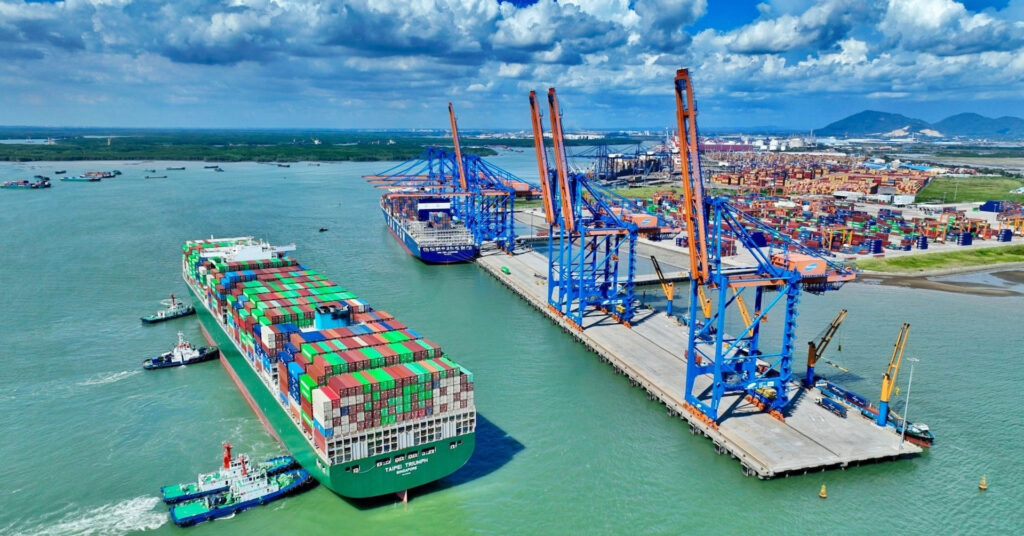
Located in Southeast Asia with a long coastline along the East Sea, Vietnam sits close to some of the world’s largest manufacturing and aluminum-consuming markets, including China, Japan, South Korea, ASEAN, and India. At the same time, its maritime connections provide access to longer-distance markets such as Europe, the Middle East, and North America.
For aluminum exporters, logistics are critical because aluminum is a high-volume and heavy commodity. Vietnam’s growing deep-sea port infrastructure—including Lach Huyen, Cai Mep–Thi Vai, and Cat Lai—provides efficient access to major international shipping routes. This allows Vietnamese aluminum producers to transport aluminum billet, extrusion, and other aluminum products efficiently to global markets while improving supply-chain flexibility and competitiveness.
Vietnam’s location therefore gives its aluminum industry an opportunity to become a regional supply hub for Asia while also serving global markets.
Free Trade Agreements Give Vietnam an Additional Competitive Advantage
As of Feb 2026, according to WTO Center VCCI of Vietnam, Vietnam has joined in 17 FTAs and 2 under negotiation:
Key FTAs include:
- ASEAN: AFTA
- China: ACFTA
- South Korea: AKFTA, VKFTA
- Japan: AJCEP, VJEPA
- India: AIFTA
- Australia & New Zealand: AANZFTA
- Chile: VCFTA
- Eurasian Economic Union: VN–EAEU FTA
- CPTPP: Canada, Mexico, Peru, Chile, Australia, New Zealand, Japan, Singapore, Brunei, Malaysia, UK and Vietnam
- Hong Kong: AHKFTA
- European Union: EVFTA
- United Kingdom: UKVFTA
- RCEP: ASEAN, China, Japan, South Korea, Australia and New Zealand
- Israel: VIFTA
- UAE: Vietnam–UAE FTA
These agreement providing preferential market-access opportunities when products satisfy the relevant tariff and rules-of-origin requirements. Vietnam’s Ministry of Industry and Trade maintains an official database of the country’s trade agreements and their implementation.
For aluminum ingot/billet exporters, this extensive FTA network is a major competitive advantage, giving Vietnam-origin aluminum products access to many major global markets under preferential tariff conditions, subject to the applicable HS code and rules of origin. Vietnam aluminum billet/ingot/extrusion export to EU, Mexico, Australia, USA, Canada, … can be benefit from 0% import duty.
Vietnam Has a Major Opportunity in Recycled Aluminum
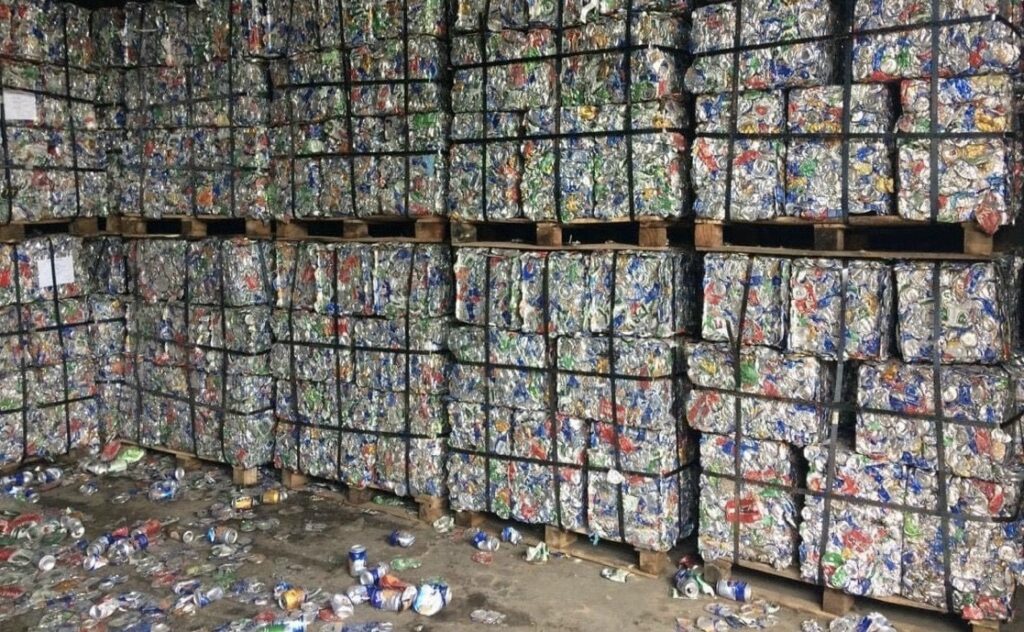
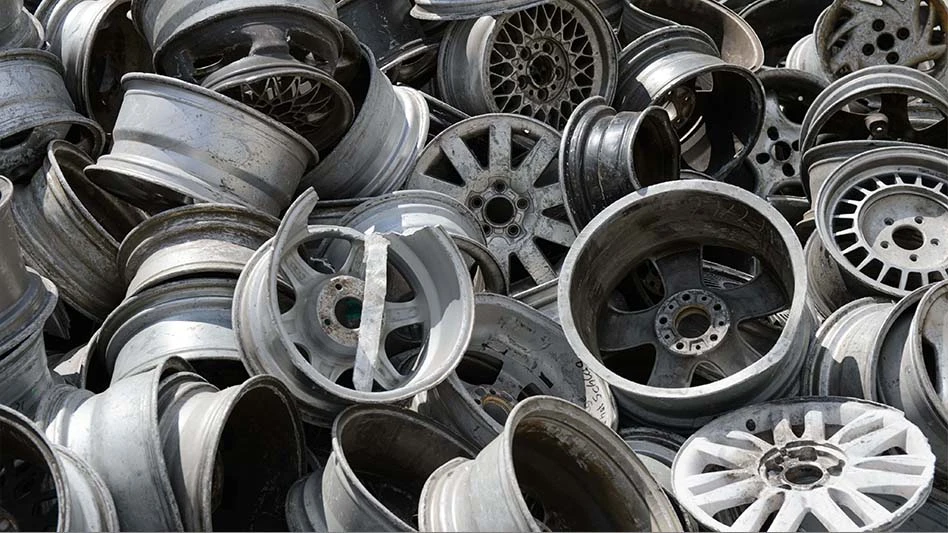
Recycled aluminum could become one of the country’s strongest advantages in the production of aluminum billet/extrusion/coil/sheet and other downstream products. Aluminum can be recycled repeatedly, and recycling requires substantially less energy than producing primary aluminum from alumina, and reduce 95% carbon foot print compare to primary aluminum.
This is particularly relevant as international customers increasingly look for lower-carbon materials and more circular supply chains.
Vietnam already has a growing secondary aluminum and recycling sector. If manufacturers can combine qualified recycled aluminum feedstock with controlled alloy composition, modern casting technology, homogenization, and quality control, Vietnam can develop competitive recycled and low-carbon aluminum billet for international extrusion customers.
This could give Vietnamese manufacturers a different competitive position from countries that compete primarily through large-scale primary aluminum production.
As a Green Aluminum Factory, Minh Dung Holdings always focus on research and development activities to advance the production and provide customer the recycle aluminum products with good quality alloy and low carbon foot print.
Vietnam’s Energy Development Could Support Future Growth
Energy will remain one of the biggest challenges—and opportunities—for Vietnam’s aluminum industry.
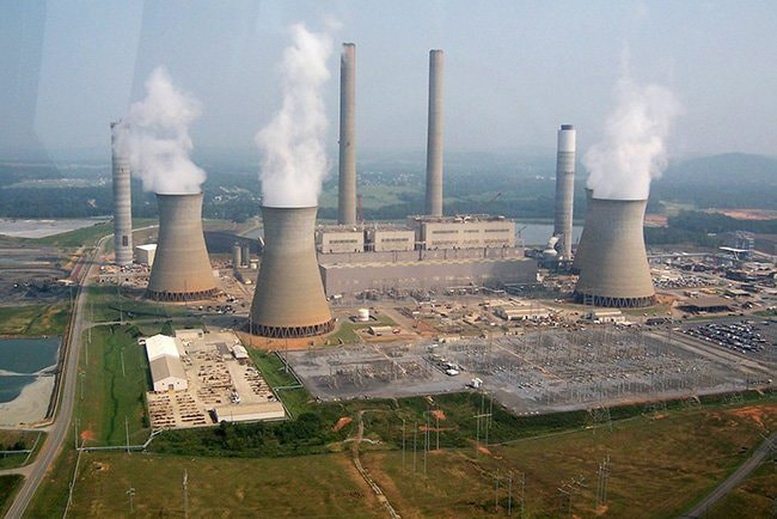
Primary aluminum production is highly electricity-intensive. Therefore, Vietnam’s ability to provide stable, competitive, and increasingly low-carbon electricity will directly influence the future cost and carbon footprint of domestic aluminum production.
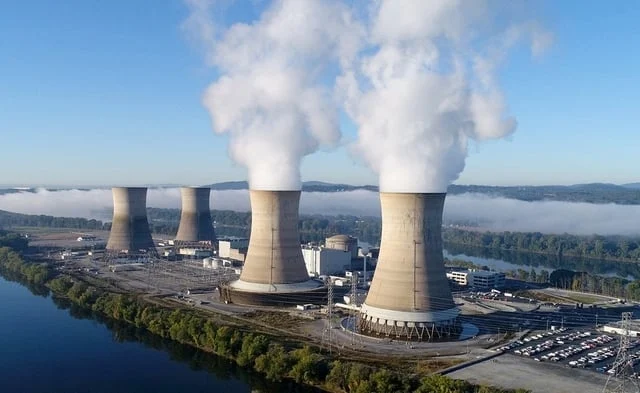
Vietnam is developing a broader energy strategy that includes renewable energy and plans for nuclear power. If successfully implemented, greater energy diversification could provide additional support for energy-intensive industries such as aluminum.
However, it is important not to claim that nuclear power will automatically make Vietnamese aluminum cheaper. The actual impact will depend on electricity prices, infrastructure investment, project implementation, and the structure of Vietnam’s future power market.
Vietnam Can Build an Integrated Aluminum Ecosystem
Vietnam already has substantial bauxite resources (top 2 in the world) and has developed alumina production. In 2026, it entered primary aluminum production. Vietnam has a growing billet and extrusion industry, a large manufacturing base, access to international ports, and a broad network of trade agreements.
The next stage is to connect these elements more efficiently:
Vietnam Bauxite → Alumina → Primary Aluminum → Aluminum Billet/Ingot/Slab → Extrusion/Coil/Sheet → Finished Products → Global Markets
Vietnam is promoting develope this ecosystem, it will be able to capture more value from Vietnam aluminum resources and will be one of the big player in the global Aluminum market.
Minh Dung Aluminum
As one of the largest aluminum manufacturing facilities in Vietnam, Minh Dung Aluminum has an annual production capacity of approximately 40,000 tons. We supply Vietnam-origin green aluminum billet, ingot, and extrusion, produced from both primary and recycled aluminum.
Our focus on R&D and recycling technology allows us to maximize the value of recycled aluminum and develop more sustainable aluminum solutions for international customers. By combining recycled materials with controlled production processes and quality management, we help customers reduce the carbon footprint of their aluminum supply chain while maintaining the required quality and performance.
With a strong commitment to Sustainability, Quality, and Long-Term Partnership, Minh Dung Aluminum is ready to support global customers looking for a reliable Vietnam-origin aluminum supplier.
If you are looking for CBAM aluminum billet from Vietnam, Minh Dung Aluminum is the good options.