CNC machining is a game of precision, where the choice of material determines up to 80% of a component’s success. Among countless options, 6061 aluminum has established itself as the industry standard due to its perfect balance of strength and formability. So, why is this specific alloy the top priority for mechanical workshops? Let’s explore the technical details in the article below.
1. Technical Standards for CNC Aluminum Workpieces
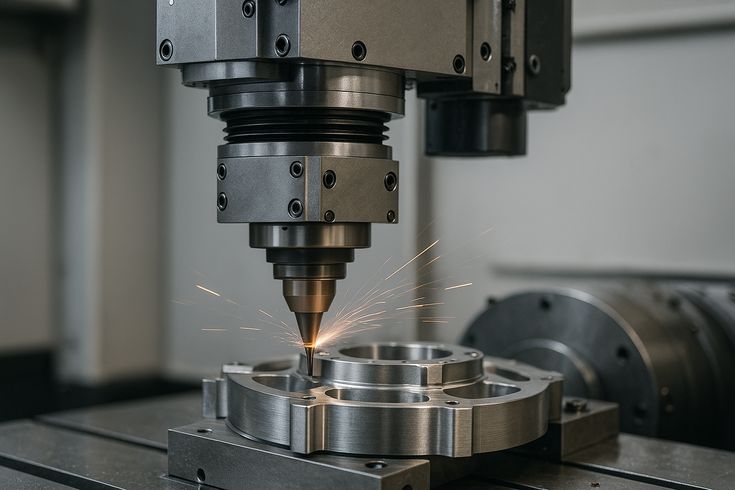
CNC Machining (Computer Numerical Control) is a manufacturing process that uses computerized systems to control cutting tools, creating components with extreme precision. However, for a machine to operate smoothly, the raw material (workpiece) must meet the following rigorous standards:
- Structural Stability: The material must not warp or deform when the surface layers are removed during cutting.
- Ideal Hardness: It must be hard enough to withstand mechanical stress but not so brittle that it chips the cutting tools.
- Heat Dissipation: Efficient thermal conductivity is essential to prevent the cutting bits from overheating and failing.
2. Key Benefits of Using 6061 Aluminum for CNC Precision Parts
6061 aluminum possesses superior technical characteristics that allow it to outperform many other alloys in a workshop environment.
Superior Chip Control and Machinability
First, 6061 aluminum produces short, brittle chips during milling and turning processes. This characteristic is vital because it prevents material from nesting or sticking to the cutting edge. Consequently, the machine can run continuously with a high-quality surface finish and minimal downtime for cleaning.
High Strength-to-Weight Ratio with T6 Temper
Second, when treated to the T6 temper, 6061 aluminum achieves remarkable hardness and tensile strength. Thanks to this, the finished components possess excellent load-bearing capacity while maintaining the ultra-lightweight profile characteristic of aluminum.
Excellent Corrosion Resistance and Anodizing Quality
Finally, this aluminum grade is exceptionally durable, even when exposed to harsh environmental conditions. Furthermore, the surface of 6061 aluminum is highly receptive to anodizing. This allows manufacturers to create CNC parts with eye-catching, professional colors while adding an extra layer of wear protection.
3. Common Applications of CNC-Machined 6061 Components
Due to its versatile properties, 6061 aluminum is used extensively across various high-tech industries:
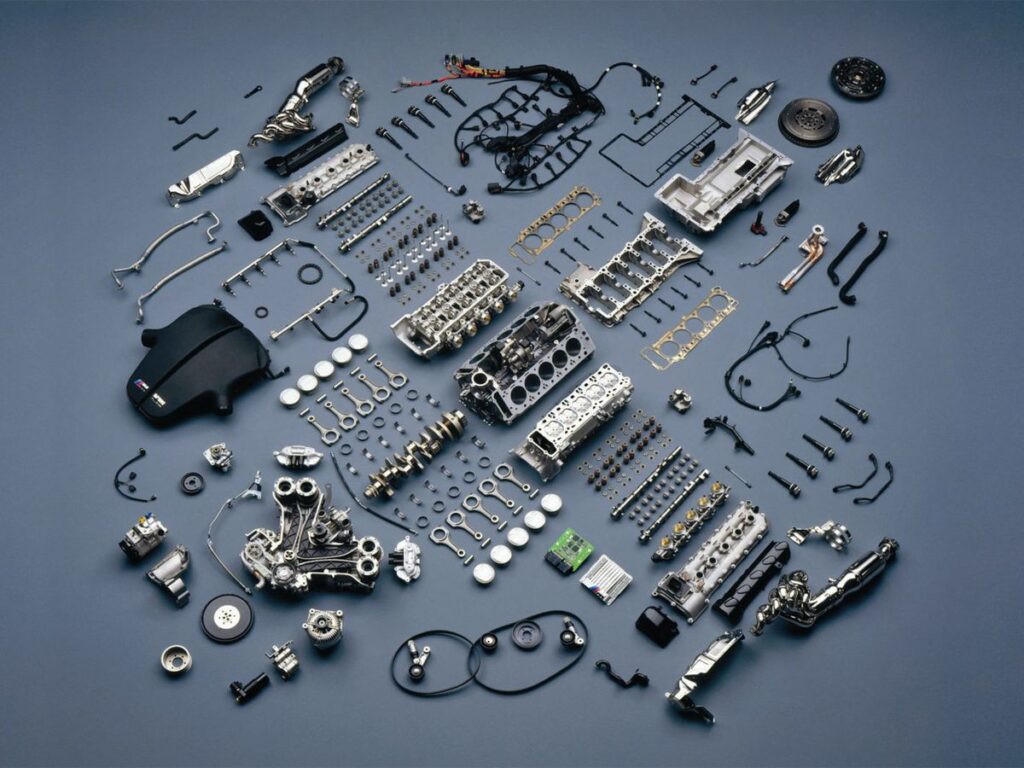
- Custom Vehicle Parts: CNC-machined triple clamps, footpegs, and high-performance fuel caps.
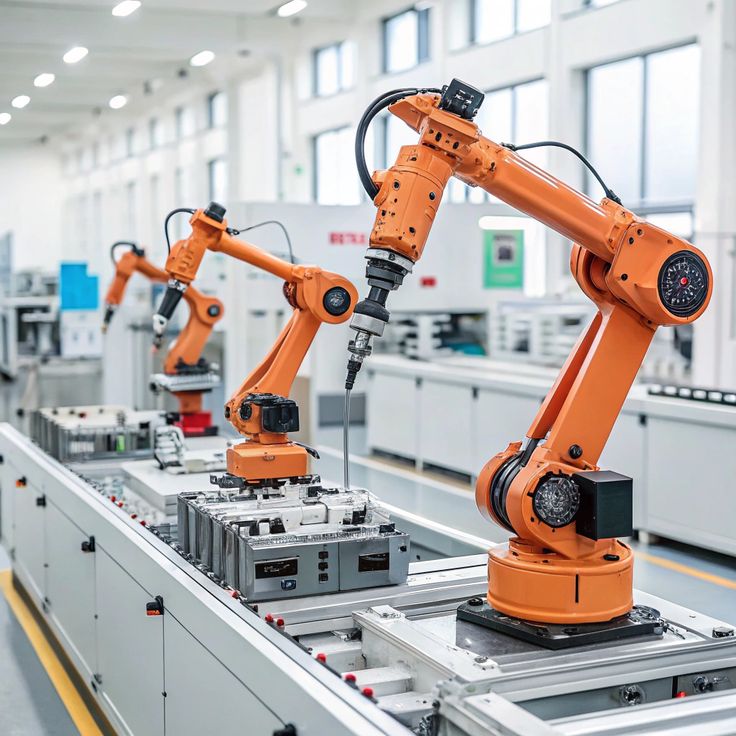
- Robotics and Automation: Robotic arms, sensor housings, and automation machinery frames.
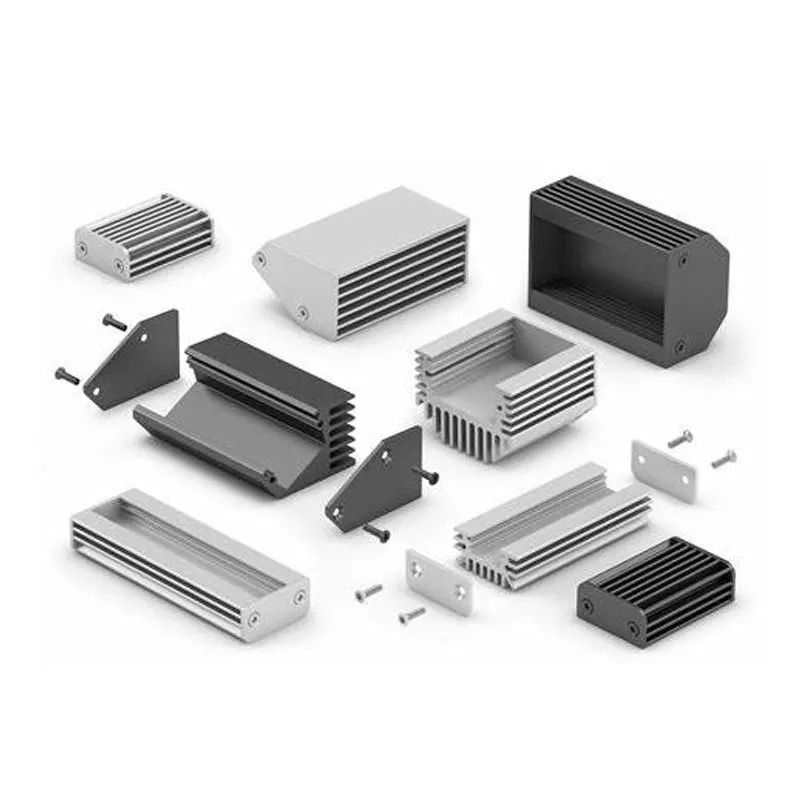
- Electronics and Optics: High-end heat sinks, camera internal structures, and protective housings.
4. Premium 6061 Aluminum Billets by Minh Dung Holdings
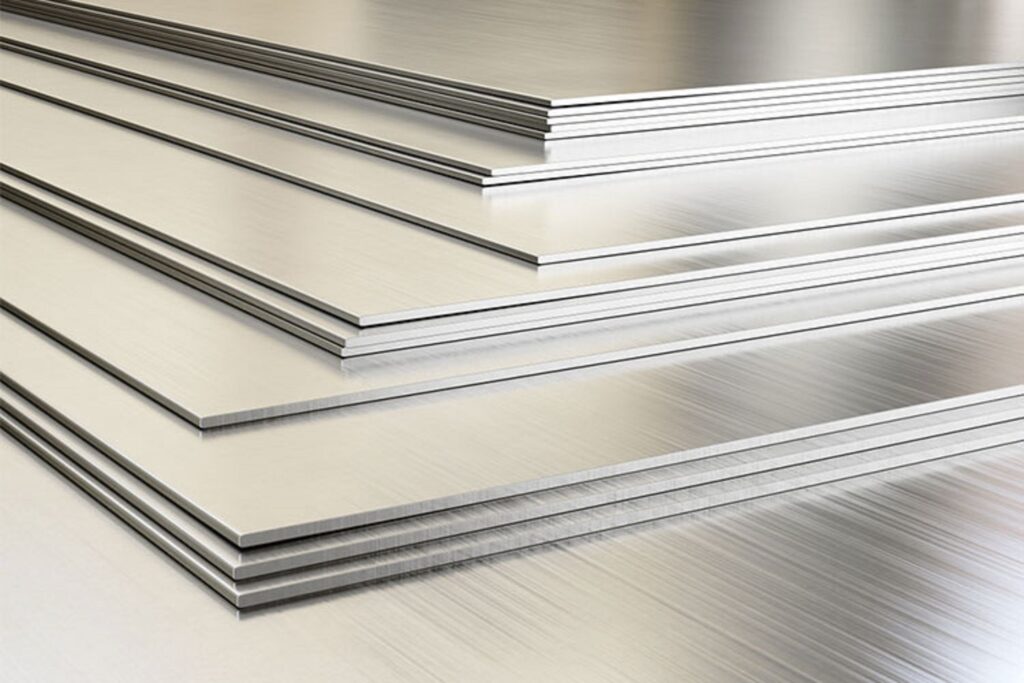
To ensure your CNC products achieve a flawless finish, the quality of the initial aluminum billet is the key factor. At Minh Dung Holdings, we provide international-standard 6061 aluminum billets, ensuring a dense structure free of air holes or impurities.
If you are looking for an optimal material solution to enhance your workshop’s productivity, please contact us for expert consultation.
- Representative: Kevin Nguyen (Export Specialist)
- Hotline/WhatsApp: +84 373 486 719