What is an Aluminum Profile? Most Common Applications Today
Aluminum profile (extruded aluminum) has become one of the most important materials in many modern industries. From construction, mechanical engineering, and energy to interior design, aluminum profiles are increasingly popular thanks to their outstanding advantages in weight, strength, and flexible processing.
In the context of optimized production costs and the growing trend of using environmentally friendly materials, aluminum profiles are considered an effective alternative to steel and many traditional materials.
What is an Aluminum Profile?
Aluminum profile is a product created through the extrusion process, in which molten or heated aluminum is pushed through a die to form bars with specific shapes and dimensions.
This process allows for a wide variety of cross-sections, from simple to complex, serving different purposes. This is why aluminum profile is one of the most versatile materials in manufacturing industries.
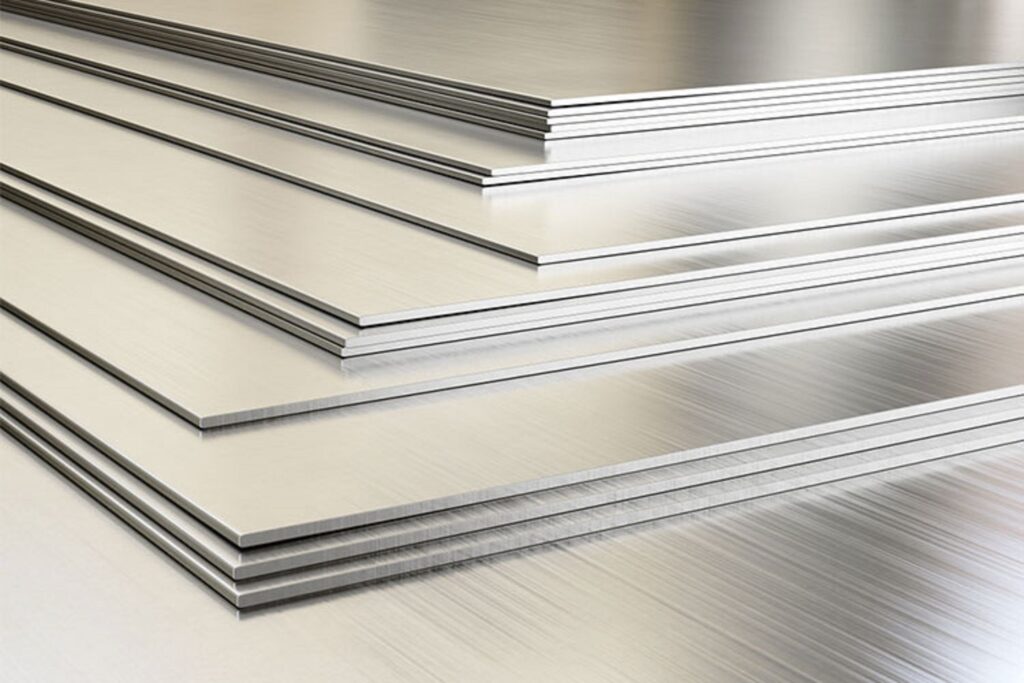
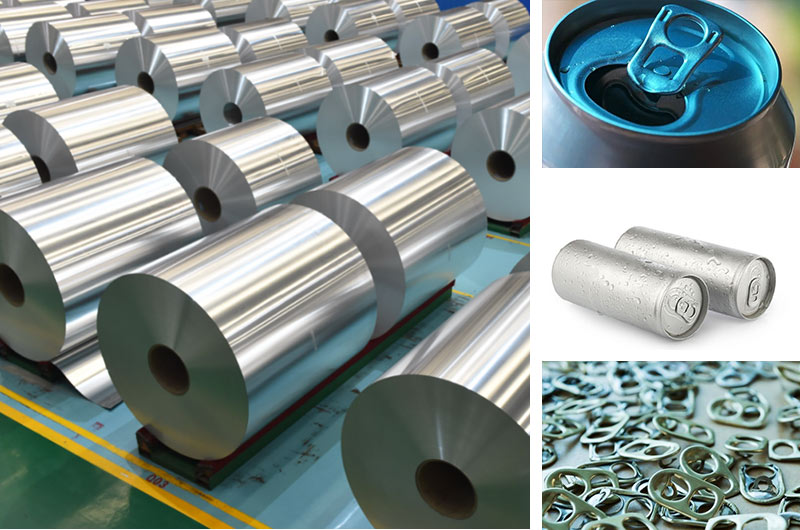
Unlike aluminum sheets or coils, aluminum profiles are typically produced in long bars that can be cut, drilled, and assembled directly with minimal additional processing.
Aluminum Profile Production Process
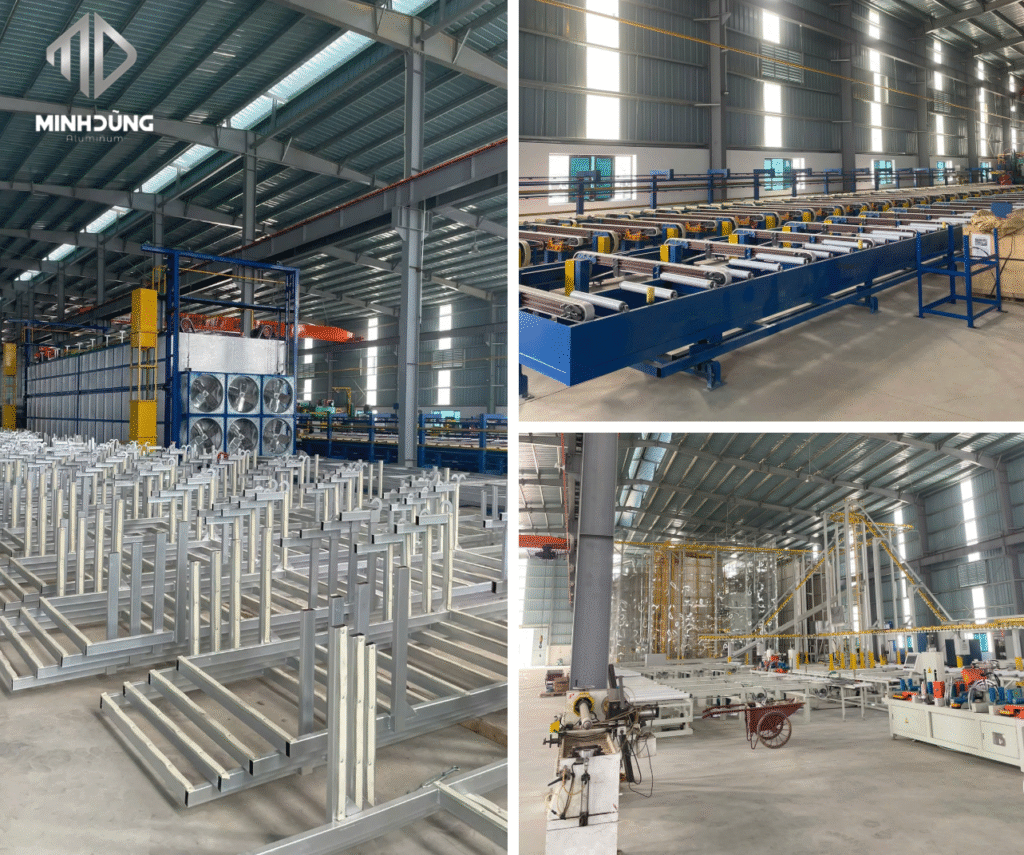
To better understand the quality of aluminum profiles, it is important to know the basic production steps:
- Aluminum raw material (usually 6063 or 6061 billet) is heated
- Extruded through a pre-designed die
- The extruded profile is cooled and straightened
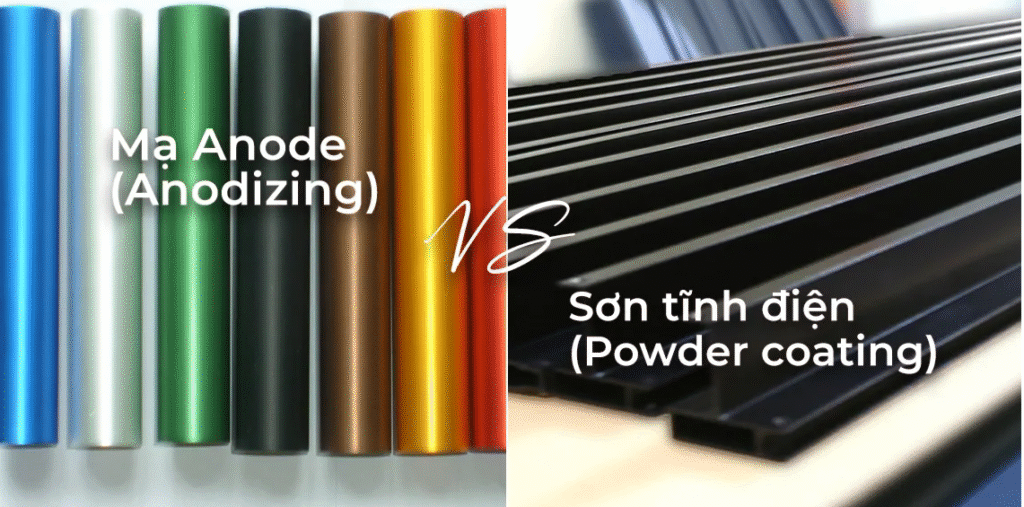
- Surface treatment is applied (anodizing, powder coating, etc.)
- Cut to required dimensions
The quality of aluminum profiles depends greatly on the billet quality, extrusion technology, and surface treatment process.
Key Features and Advantages
Aluminum profiles are widely used not only because they are easy to process but also due to their outstanding properties.
First, they are lightweight yet strong, helping reduce structural load and transportation costs. Compared to steel, aluminum is significantly lighter while still maintaining good load-bearing capacity.
Another important advantage is natural corrosion resistance. When exposed to air, aluminum forms a protective oxide layer, which helps prevent oxidation and extends product lifespan, especially in humid or outdoor environments.
Additionally, aluminum is 100% recyclable, aligning with sustainable development trends. Recycling aluminum consumes much less energy than producing primary aluminum.
Main advantages include:
- Easy to fabricate and assemble
- High aesthetic value
- Wide variety of shapes and sizes
- Suitable for multiple industries
Applications of Aluminum Profile
1. Construction
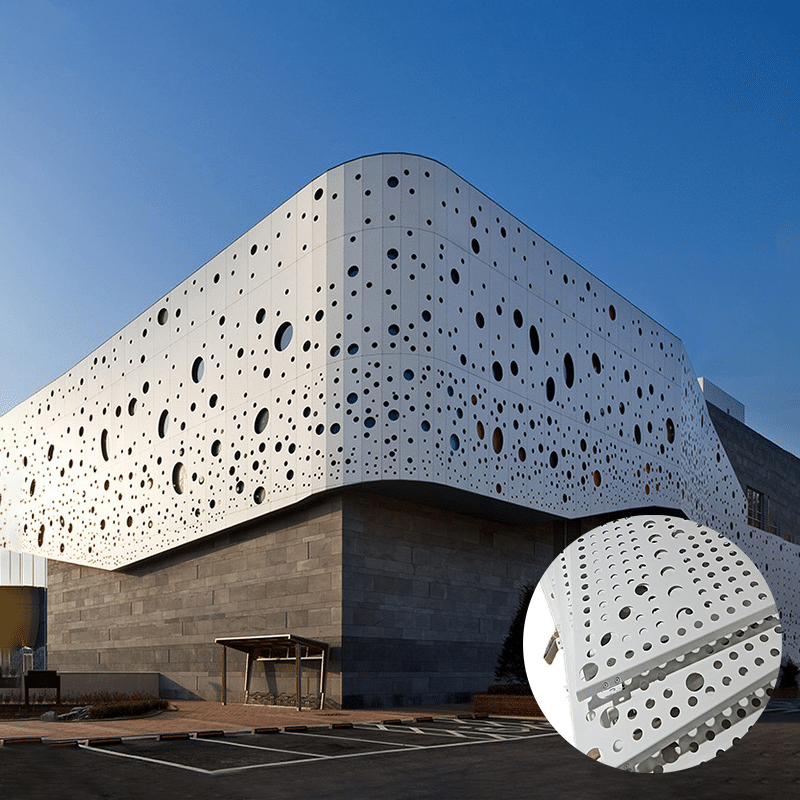
This is the largest application sector. Aluminum profiles are used for doors, windows, curtain walls, facades, and other structural components.
They offer durability, weather resistance, and low maintenance, while also meeting modern design aesthetics.
2. Industrial Manufacturing
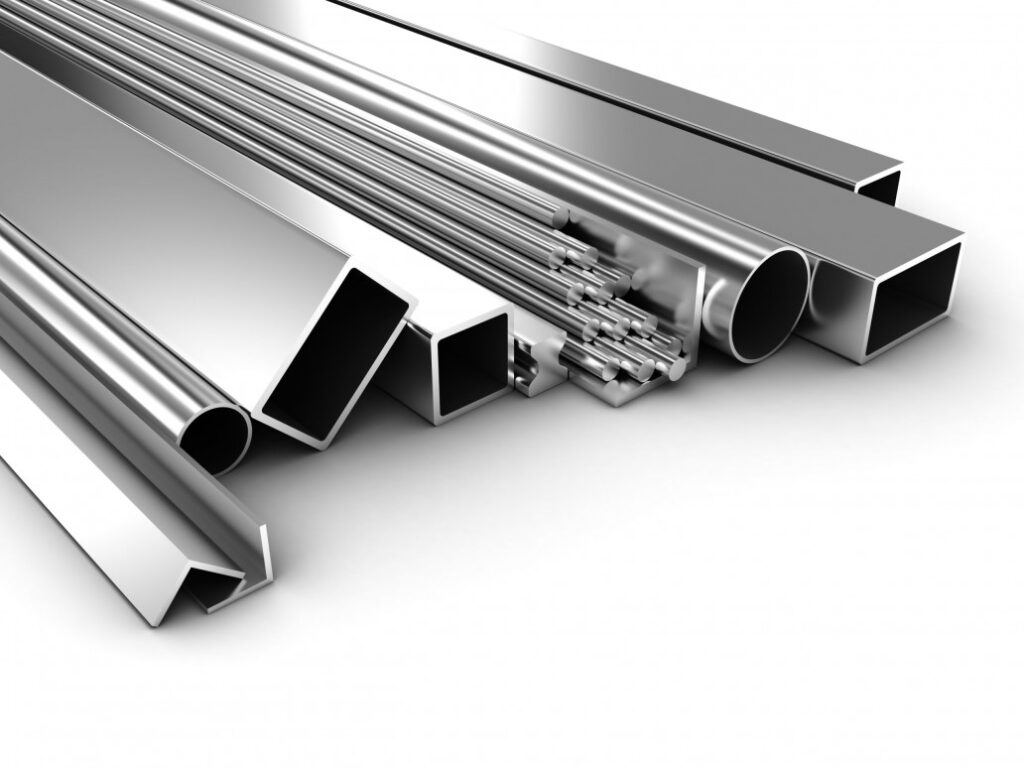
In factories, aluminum profiles are widely used to produce:
- Machine frames
- Conveyor systems
- Production lines
- Automation systems
Their flexibility allows easy assembly, modification, and expansion, helping reduce costs when production lines change.
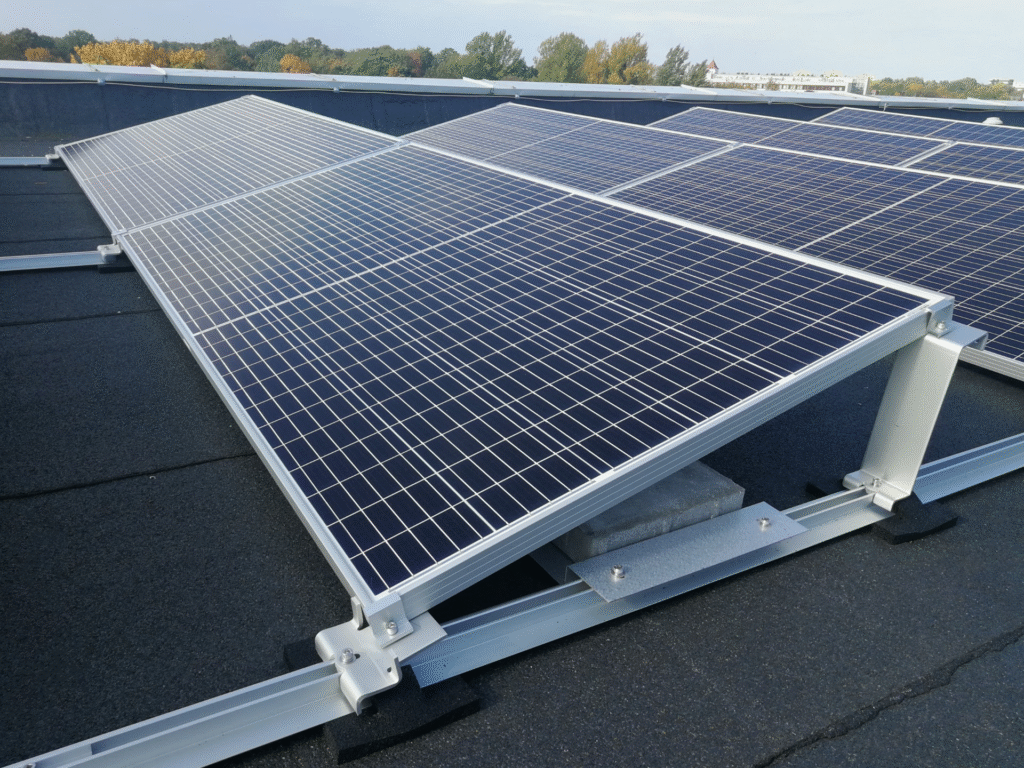
3. Solar Energy Industry
Aluminum profiles are essential in solar systems, especially for mounting structures and panel frames.
Their lightweight, durability, and corrosion resistance ensure long-term stability even in harsh weather conditions.
4. Interior and Decoration
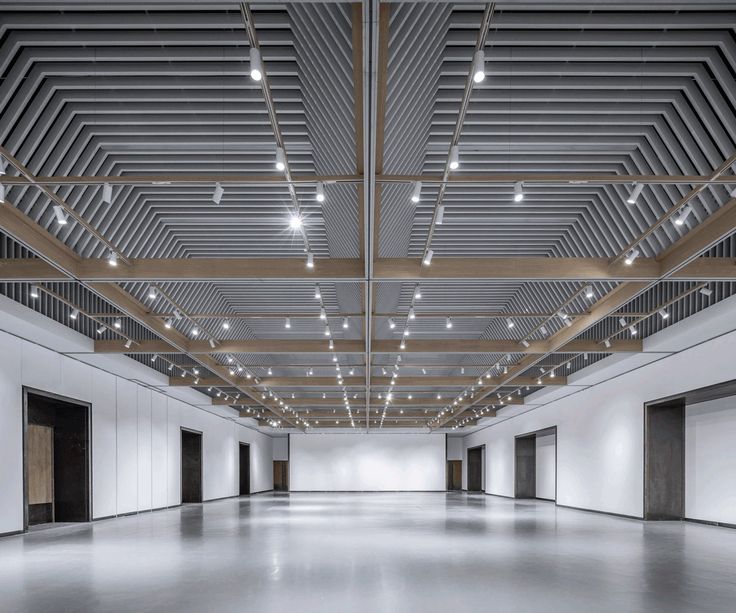
In modern interior design, aluminum profiles are gradually replacing traditional materials like wood or steel.
They are used for cabinets, shelves, sliding doors, partitions, and decorative elements.
Surface treatments such as anodizing or powder coating provide a modern, elegant look and easy maintenance.
5. Electrical and Electronics Industry
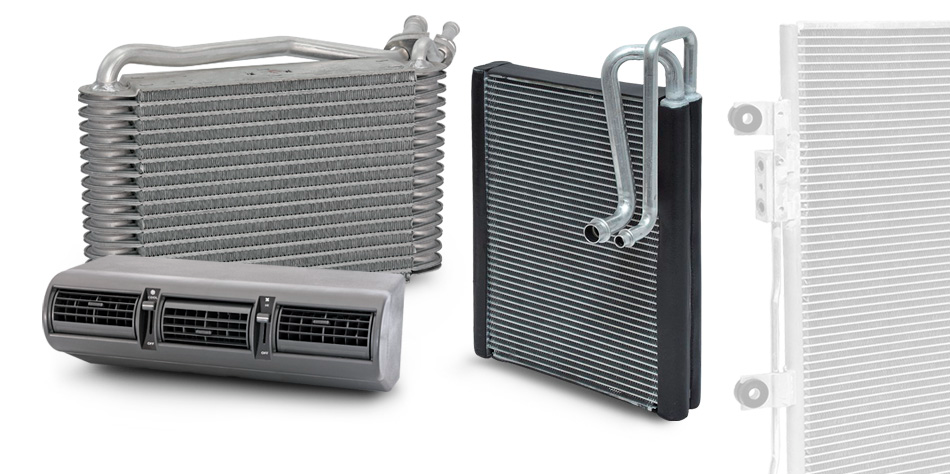
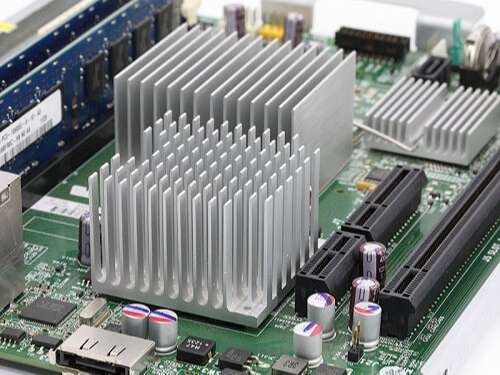
Aluminum profiles are also used to manufacture heat sinks for electronic devices.
Thanks to good thermal conductivity, aluminum helps dissipate heat efficiently, improving performance and extending equipment lifespan.
Common Aluminum Grades on the Market
Choosing the right aluminum grade is crucial as it directly affects durability, strength, and performance.
- 6063: The most common alloy, widely used in construction and interiors. It has a smooth surface, good corrosion resistance, and is easy to process. Ideal for doors, curtain walls, and decorative applications.
- 6061: Known for high strength and hardness. Commonly used in industrial applications, machine structures, and load-bearing frames.
- 6005: Offers excellent strength, suitable for large structural applications such as frames, railings, and industrial constructions.
Selecting the right alloy depends on application, environment, and technical requirements to ensure optimal performance and cost efficiency.
Surface Treatment Methods
To enhance durability and appearance, aluminum profiles are treated using various methods:
- Anodizing: improves corrosion resistance
- Powder coating: provides various color options
- Wood grain coating: used in interior decoration
Surface treatment not only protects aluminum but also increases product value.
How to Choose the Right Aluminum Profile
Businesses should consider several key factors:
- Application purpose: construction, interior, machinery, or heat dissipation
- Working environment: outdoor, humid, or chemical exposure requires higher corrosion resistance
- Supplier reliability: stable raw materials, transparent production process, and quality certification
Optimizing design from the beginning also helps reduce production and installation costs. Choosing the right profile type, size, and connection method minimizes material waste and improves long-term efficiency.
Conclusion
Aluminum profile is not only a popular material but also an optimal solution for modern industries. With advantages such as lightweight, strength, corrosion resistance, and design flexibility, it is gradually replacing many traditional materials.
Understanding its properties, applications, and selection criteria will help businesses optimize costs and improve long-term efficiency.
If you need further technical support or pricing, please feel free to contact:
Ha Linh Nhi – Import-Export Sales Department
Website: https://nhomminhdung.vn/
Email: kinhdoanh@nhomminhdung.vn
Hotline/WhatsApp: +84 332 008948